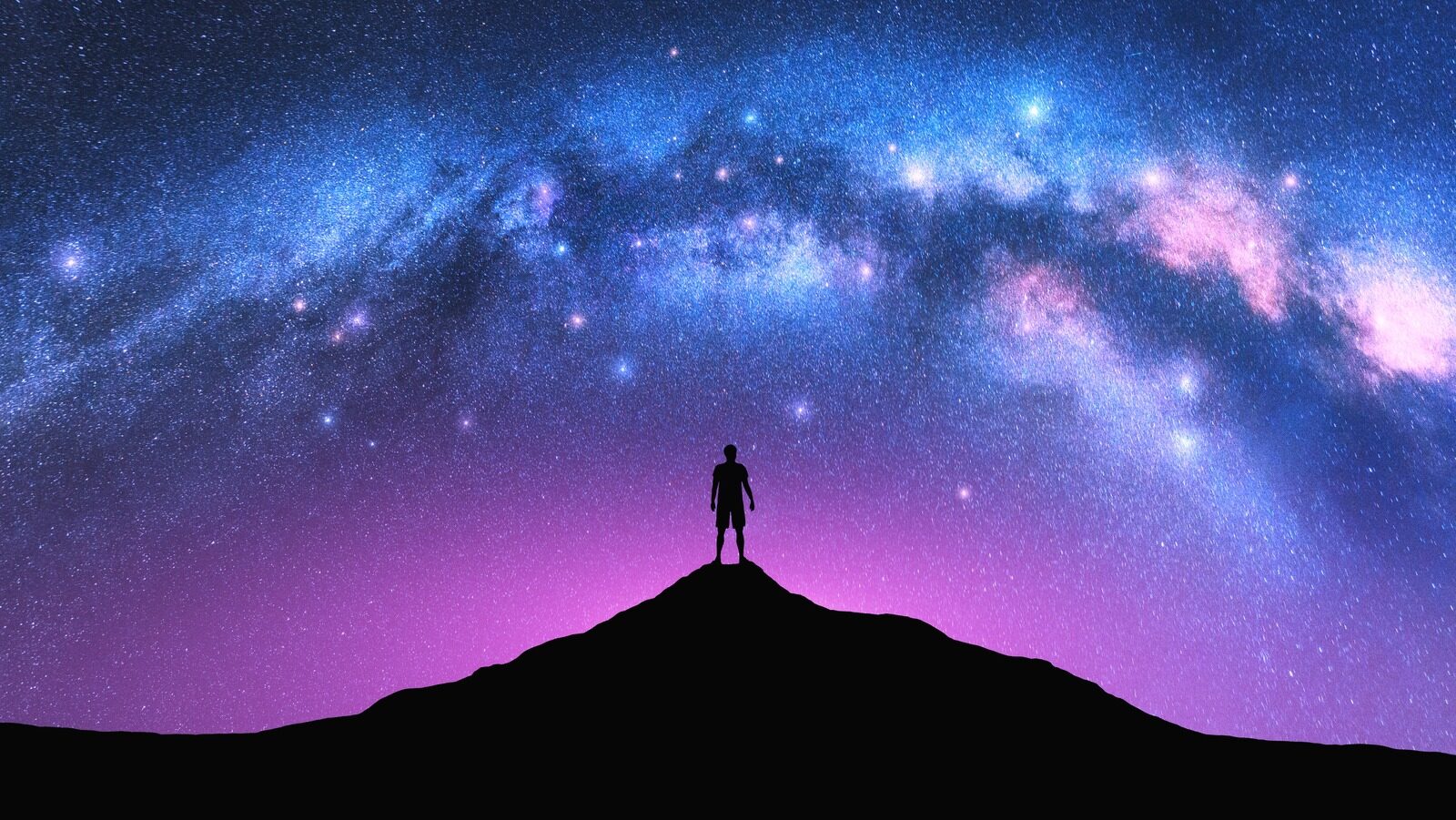
For many amateur astronomers and stargazing enthusiasts, the night sky holds a sense of wonder and beauty that can be both captivating and elusive. With light pollution obstructing the view of the Milky Way from urban areas, finding the right location to observe the cosmos becomes essential. Fortunately, the United States is home to numerous breathtaking spots where the Milky Way shines in all its glory. Here, we explore some of the best places across the country to witness this celestial marvel.
Great Basin National Park, Nevada
Located in the eastern part of Nevada, Great Basin National Park is a stargazer’s paradise. Designated as a Bortle Class 1 site, it is one of the darkest locations in the United States, offering unparalleled views of the Milky Way. The park features organized astronomy programs, including ranger-led hikes and lectures on constellations.
Visitors can participate in the annual astronomy festival, which draws stargazers from all over. The park’s campsites provide an ideal base for stargazing, and activities such as hiking and cave exploration keep visitors entertained during the day. As night falls, the park hosts ‘star parties,’ where enthusiasts can set up telescopes and observe celestial wonders, including planets and distant galaxies.
Cherry Springs State Park, Pennsylvania
On the other side of the country, Cherry Springs State Park in Pennsylvania is a hidden gem for eastern stargazers. This park is recognized as a Gold Level Dark Sky Park, boasting Class 2 Bortle skies. The park hosts an annual Star Party in June, where astronomy lovers can gather to admire the stars.
With 360-degree views from an elevation of 2,300 feet, visitors have the chance to observe not just the Milky Way but also significant celestial objects like the Omega Nebula. The park has eliminated white light to minimize light pollution, creating an optimal environment for stargazing.
Big Bend Ranch, Texas
Big Bend Ranch State Park is Texas’ largest state park and the only Bortle Class 1 Dark Sky Park in the state. This remote location, devoid of nearby city lights, offers some of the clearest skies in the nation. With backcountry campsites and nighttime activities such as horseback riding, this park is perfect for a memorable stargazing getaway.
Visitors can even rent an observatory with an elevated sky deck, providing an extraordinary view of the Milky Way. The park’s natural beauty and isolation create a unique backdrop for amateur astronomers looking to explore the night sky.
Mount Rainier National Park, Washington
Despite its reputation for fog and rain, Mount Rainier National Park can surprise visitors with clear night skies. Some areas are classified as Bortle Class 2, meaning stargazers have a high chance of spotting the Milky Way. The park’s majestic 14,000-foot volcano offers a stunning view of the cosmos.
During the day, visitors can explore the park’s hiking trails and natural wonders, while dark sky rangers offer insights into the night sky. As the sun sets, Mount Rainier transforms into a celestial observatory, making it a worthwhile destination for stargazing.
Mauna Kea, Hawaii
For an unparalleled stargazing experience, Mauna Kea in Hawaii stands out as one of the world’s best locations. As the tallest volcano in Hawaii, it offers skies classified as Bortle Class 1. Standing at nearly 14,000 feet, the views of the Milky Way from this vantage point are simply breathtaking.
The summit is home to some of the world’s most advanced observatories, and visitors can participate in guided tours at the visitor station. Telescopes are available for public use, allowing guests to witness celestial phenomena up close. However, the trip requires physical preparation due to the altitude.
Kissimmee Prairie Preserve, Florida
Surprisingly, Kissimmee Prairie Preserve in Florida is one of the darkest spots in the Southeast, featuring Bortle Class 2 skies. This designated Dark Sky Park is ideal for those looking to combine camping with stargazing. Visitors can hike or bike during the day and settle down for a night of celestial viewing.
With its remote location far from the hustle of urban life, Kissimmee Prairie offers a tranquil setting to explore the night sky. Stargazers can expect to see an array of celestial events, from meteor showers to planetary alignments.
Natural Bridges National Monument, Utah
As the world’s first official International Dark Sky Park, Natural Bridges National Monument in Utah has set the standard for stargazing locations. With efforts to minimize light pollution, visitors can see up to 15,000 stars compared to the mere 500 visible in urban areas.
During the day, the park offers hiking trails and wildlife viewing, including over 200 bird species. Nighttime ranger programs enhance the stargazing experience, providing tips for spotting constellations and understanding the cosmos.
Capulin Volcano National Monument, New Mexico
Offering a unique stargazing experience, Capulin Volcano National Monument features breathtaking views of the surrounding landscape. As a Gold Tier Dark Sky Park, it provides excellent conditions for observing the Milky Way, especially during summer months.
Visitors can bring their own telescopes or borrow park-provided equipment. Ranger-led moonlight walks provide educational opportunities, highlighting both the volcano and the night sky’s wonders. The park’s elevation and low light pollution make it a prime location for astronomy enthusiasts.
Death Valley National Park, California
For those seeking a unique stargazing experience, Death Valley National Park boasts Class 1 Bortle ratings and a commitment to reducing light pollution. Visitors can see celestial objects not visible in other parts of the country, particularly during the new moon when the skies are darkest.
The National Park Service provides guidelines for optimal viewing, such as allowing your eyes to adjust to the darkness and using red lights instead of white flashlights. With numerous events throughout the year, including a Dark Sky Festival, Death Valley is a must-visit destination for stargazers.
Observatory Park, Ohio
In the Midwest, Observatory Park in Ohio shines as a notable stargazing location. Although not as dark as some other parks, it holds a Class 3 Bortle rating. The park offers high-powered telescopes for visitors, making it a great spot for celestial viewing without needing to travel far.
Various formal events throughout the year, such as asteroid tracking and full moon hikes, enhance the stargazing experience. It’s an excellent option for those in the region who are passionate about astronomy.
Dinosaur National Monument, Colorado
Known for its stunning landscapes and rich fossil history, Dinosaur National Monument also offers some of the darkest skies in Colorado. Located on the border with Utah, the park features Class 1 skies, making it perfect for stargazing.
Efforts to minimize light pollution allow for exceptional views of the cosmos. Visitors can join ranger-led astronomy programs for an informative experience, and daytime activities include exploring the fossil exhibits and hiking the scenic trails.
Denali National Park, Alaska
For a truly breathtaking experience, Denali National Park in Alaska provides some of the darkest skies in the United States. Although summer months may not be optimal for stargazing due to extended daylight, the fall and early winter months offer fantastic viewing opportunities.
The park is home to diverse wildlife, including caribou and moose, making it an excellent destination for both day and nighttime activities. Whether you’re hiking during the day or gazing at the stars at night, Denali promises an unforgettable experience.
Headlands International Dark Sky Park, Michigan
Located in Emmet County, Headlands International Dark Sky Park offers stunning views across Lake Michigan. With regulations in place to minimize light pollution, visitors can enjoy Class 2 skies that provide a magnificent backdrop for stargazing.
The park hosts regular astronomical events and activities, and accommodations are available for those looking to spend a night under the stars. Natural attractions during the day, such as the Frog Pond Trail, enhance the overall experience.