
The story of the Salton Sea is a fascinating one, a tale of boom and bust that reveals the complex relationship between humans and nature. Once a vibrant hub for recreation and tourism, this inland sea in Southern California has become a haunting reminder of our impact on fragile ecosystems.
Imagine a place where families flocked to enjoy sunny beaches, watersports, and even luxurious resorts. That was the Salton Sea in its prime, attracting visitors throughout the mid-20th century. But this idyllic paradise had an unexpected origin story – a series of accidental floods from the Colorado River in 1905 created the lake we know today. While initially appearing as a blessing, the high salinity levels proved detrimental to both marine life and human endeavors.
The decline began gradually with diminishing fish populations by the 1970s. Soon, tourism dwindled, leaving behind empty hotels and abandoned vacation homes. A temporary reprieve came in 2002 with water diversion efforts, but ultimately California failed to address the core issues. This unfortunate turn of events has left Salton Sea then and now a place of stark contrasts: a testament to the allure of paradise juxtaposed against the harsh realities of ecological neglect.
The Accidental Creation of the Salton Sea
So, how did this inland sea come to be? It all started with a series of unfortunate events in 1905. The Colorado River, a mighty force of nature, was being rerouted for irrigation purposes. Unfortunately, faulty engineering led to massive flooding that breached canals and sent millions of tons of water pouring into the Salton Basin, a low-lying desert region.
It wasn’t an instant transformation – the rising waters took months to carve out their new path, leaving behind a vast expanse of shimmering saltwater. At first, people saw it as a potential boon for agriculture, with its fertile soil and abundant water supply. But as the volume of water grew, so did concerns about its impact on the surrounding environment. Little did they know, this accidental creation would have profound consequences for generations to come.
The Salton Sea then and now stands as a reminder that even well-intentioned projects can have unintended repercussions. It’s a captivating story of human ingenuity colliding with the unpredictable forces of nature, ultimately shaping a landscape that would become both a source of wonder and a symbol of ecological fragility.
A Thriving Tourist Destination in its Prime
By the mid-20th century, the Salton Sea had shed its initial image as a watery anomaly and blossomed into a thriving tourist destination. Word spread about this unique oasis in the desert, attracting families seeking sunshine, relaxation, and watersports galore. Imagine beaches bustling with activity, children giggling as they splashed in the shallows, and couples strolling hand-in-hand along the shore.
The Salton Sea offered something for everyone: luxurious resorts catered to discerning travelers, while simpler bungalows provided affordable getaways. Local businesses thrived, fueled by the influx of visitors eager to experience this unexpected paradise. Concerts, festivals, and even boat races became regular occurrences, adding to the vibrant atmosphere of this burgeoning haven.
The Salton Sea truly captured the spirit of mid-century Americana – a time when road trips were all the rage and the promise of sunny escapes beckoned from coast to coast. It was a place where dreams seemed within reach, a testament to the allure of escaping everyday life for a taste of something extraordinary. Little did they know, this golden age wouldn’t last forever.
Environmental Decline and Tourism’s Fall
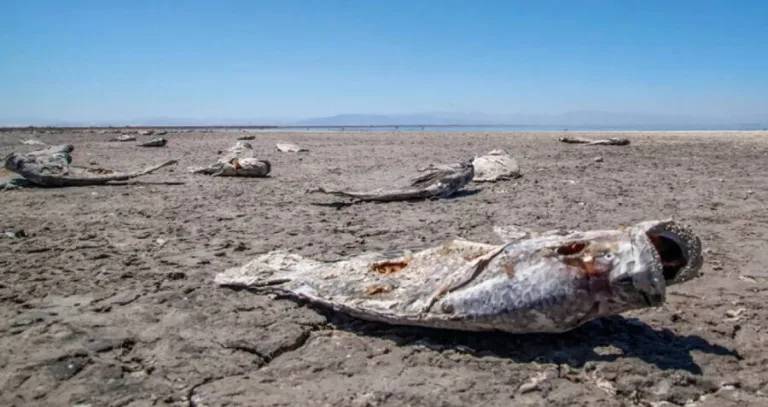
As the years passed, a darker reality began to unfold beneath the surface of this seemingly idyllic paradise. The high salinity levels, a direct consequence of evaporation and limited freshwater inflow, proved detrimental to marine life. Fish populations dwindled, birds disappeared, and the once-vibrant ecosystem grew increasingly fragile. This shift had a ripple effect on the local economy, as tourism, the lifeblood of the region, started to wane.
The allure of the Salton Sea began to fade as news spread about its deteriorating environment. Families hesitated to visit, opting for safer destinations where clean beaches and abundant wildlife were guaranteed. Businesses shuttered their doors, unable to sustain themselves in the face of dwindling customer numbers. The once-bustling resorts stood empty, their swimming pools stagnant reflections of a bygone era.
The Salton Sea’s story became a cautionary tale, highlighting the delicate balance between human activity and environmental preservation. It served as a stark reminder that even seemingly inexhaustible natural resources can be depleted if not managed responsibly. The Salton Sea then and now stands as a poignant symbol of this struggle – a place where dreams once flourished but ultimately succumbed to neglect.
Failed Solutions and a Shrinking Lake
In a desperate attempt to save the Salton Sea from its ecological demise, authorities attempted various solutions in the late 20th and early 21st centuries. One such effort involved diverting water from the Colorado River to replenish the shrinking lake in 2002. While this temporary measure provided some relief, it was ultimately a Band-Aid solution that failed to address the underlying issues.
The problem wasn’t simply a lack of water; it was a complex web of interconnected factors, including agricultural runoff, groundwater depletion, and inadequate policies for managing water resources. California, despite recognizing the severity of the situation, struggled to implement comprehensive solutions that would have ensured the long-term sustainability of the Salton Sea.
This failure to act decisively resulted in further shrinkage and increased public health concerns due to dust storms carrying harmful particles from the exposed lakebed. The once vibrant Salton City and Bombay Beach, bustling with life during their heyday, were left grappling with abandoned structures, deserted streets, and a sense of abandonment. The Salton Sea then and now serves as a poignant reminder that environmental solutions require sustained commitment and a willingness to address complex challenges head-on.
Echoes of Prosperity: Ghost Towns on the Shores
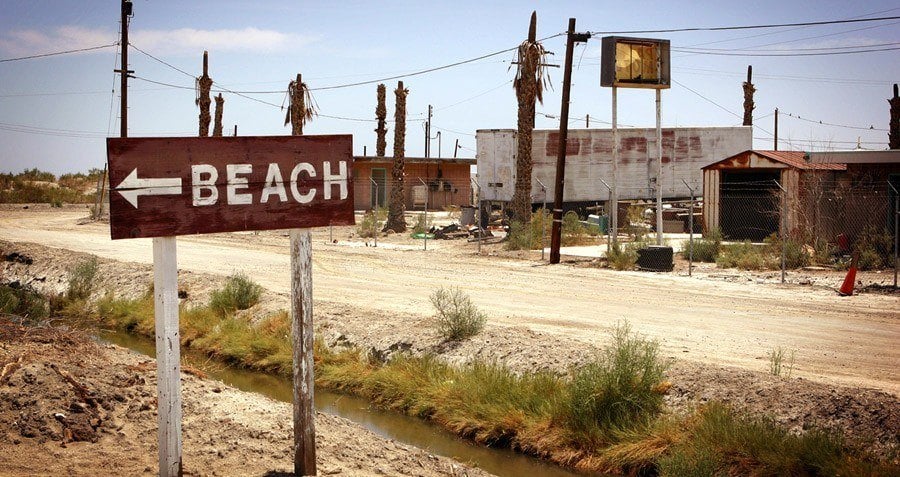
Traveling through the desolate landscape surrounding the shrinking Salton Sea is like stepping back in time to a forgotten era. The remnants of past prosperity stand as haunting reminders of what once was. Ghost towns like Salton City and Bombay Beach offer a glimpse into a bygone age, their empty streets whispering tales of laughter, music, and lively commerce.
Abandoned motels with peeling paint and faded neon signs hint at the days when families flocked to these shores for vacation getaways. Rusted RVs, once temporary homes for retirees seeking winter sun, now sit forlornly in dusty lots. The silence is deafening, broken only by the occasional whisper of wind through cracked windows and the rustle of tumbleweeds rolling across deserted sidewalks.
These ghost towns serve as poignant reminders of the fleeting nature of human endeavors. They stand as silent witnesses to a time when dreams were realized and aspirations soared, ultimately succumbing to the harsh realities of environmental degradation and economic decline. Exploring these abandoned landscapes is both sobering and thought-provoking, urging us to contemplate the consequences of our actions on the environment and the communities that rely upon it.