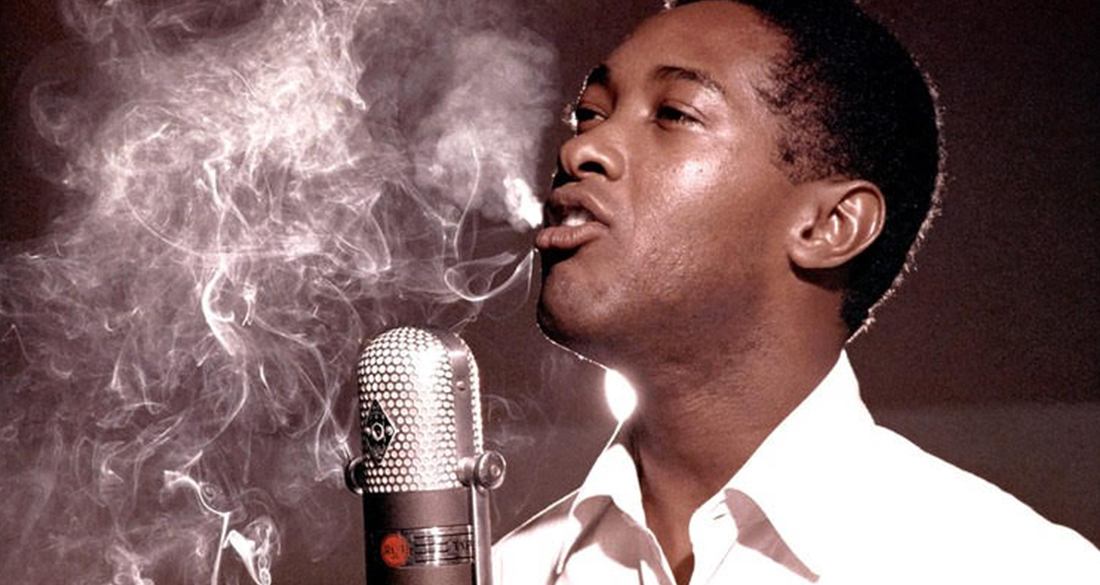
Sam Cooke was a legendary figure in the world of music, known for his powerful vocals and soulful melodies that captivated audiences across America. His voice became synonymous with the rhythm and blues movement during the 1960s, leaving an indelible mark on popular culture.
However, his story took a tragic turn on December 11, 1964, when he was fatally shot at the Hacienda Motel in Los Angeles. This event, shrouded in mystery and controversy, remains a poignant reminder of the fragility of life and the enduring power of unanswered questions. The circumstances surrounding Sam Cooke’s death continue to be debated, with some accepting the official narrative while others remain skeptical.
This article delves into the events leading up to Cooke’s untimely demise, exploring the official account and examining alternative perspectives that have emerged over the years. By piecing together the available evidence and considering various viewpoints, we aim to shed light on this complex case and provide a comprehensive understanding of one of music’s most tragic mysteries.
The Hacienda Motel Incident
The Hacienda Motel in Los Angeles became the scene of a tragedy on a cold December night in 1964. Sam Cooke, accompanied by a young woman, arrived at the motel sometime after midnight. According to Bertha Franklin, the motel manager, Cooke demanded information about the whereabouts of the woman, becoming increasingly agitated and aggressive. Franklin claimed that Cooke lunged at her, prompting her to fire a fatal shot.
The official narrative presented by the police was one of self-defense. They concluded that Franklin acted within legal bounds, fearing for her safety in the face of Cooke’s alleged attack. However, inconsistencies in witness accounts and the extent of Cooke’s injuries cast doubt on this version of events. Some witnesses disputed Franklin’s claim that Cooke had been physically aggressive, while others noted the severity of the gunshot wound, suggesting it was disproportionate to a self-defense scenario.
The shooting sparked widespread outrage and fueled speculation about the circumstances surrounding Sam Cooke’s death. While some believed Franklin’s account, others questioned her motives and suggested possible alternative explanations for the tragic incident. This lack of clarity and closure has kept the case in the public consciousness, prompting ongoing investigations and discussions about the truth behind the Hacienda Motel incident.
Bertha Franklin’s Account
Bertha Franklin, the motel manager at the Hacienda Motel, became a central figure in the tragedy surrounding Sam Cooke’s death. She maintained that Cooke arrived with a woman and demanded to know her whereabouts. According to Franklin, Cooke’s demeanor quickly shifted from inquisitive to aggressive, escalating into threats and physical violence. She claimed he lunged at her, leaving her terrified for her safety. In what she described as a moment of panic, Franklin fired a single shot, striking Cooke fatally.
Franklin’s account presented the incident as a clear case of self-defense, arguing that she acted out of necessity to protect herself from harm. She asserted that Cooke posed an immediate threat and that her actions were justified in the face of danger. This narrative, supported by initial police investigations, painted a picture of a woman defending herself against an aggressive and menacing individual.
However, inconsistencies in Franklin’s testimony and conflicting witness accounts have since raised questions about the veracity of her story. Some witnesses disputed her claims of Cooke’s aggression, casting doubt on the necessity of her defensive actions. The severity of Cooke’s wound, coupled with the lack of corroborating evidence to support Franklin’s self-defense claim, fueled further skepticism surrounding Bertha Franklin’s account of the events that transpired on that fateful night at the Hacienda Motel.
Doubts and Alternative Theories
The official narrative surrounding Sam Cooke’s death, while accepted by some, has failed to satisfy everyone. Doubts and alternative theories have emerged, casting a shadow of uncertainty over the Hacienda Motel incident. Some critics point to inconsistencies in witness testimonies and Bertha Franklin’s account, raising questions about whether her claim of self-defense holds water.
One persistent theory posits that Cooke may have been targeted due to his growing influence in the civil rights movement. His outspokenness against segregation and refusal to perform at segregated venues reportedly made him a controversial figure. Critics speculate that powerful individuals who opposed his activism could have orchestrated his death, silencing a vocal advocate for social change.
Another theory suggests that elisa boyer sam cooke, who was present at the motel with Cooke, may have been involved in the shooting. Some believe that her relationship with Cooke and potential motives remain unexplored aspects of the case. While there is no concrete evidence to support these alternative theories, they continue to circulate, highlighting the lack of definitive answers surrounding Sam Cooke’s death. The unresolved questions leave many wondering if the truth about his demise will ever be fully revealed.
Sam Cooke’s Legacy and Influence
Despite his untimely death at the age of 33, Sam Cooke left an enduring legacy on music and American culture. His soulful voice and innovative songwriting helped shape the sound of rhythm and blues, influencing generations of artists who followed in his footsteps.
Cooke’s musical contributions transcended genre boundaries, blending gospel, pop, and soul to create a unique and timeless sound. His hits, such as “A Change Is Gonna Come” and “You Send Me,” continue to resonate with audiences today, serving as anthems for social change and enduring love.
Cooke’s influence extended beyond music, as his outspoken advocacy for civil rights made him a powerful voice during a pivotal period in American history. His commitment to equality and justice continues to inspire activists and individuals striving for a more equitable society. Though Sam Cooke’s life was tragically cut short, his impact on music, culture, and the fight for social justice remains profound and enduring.
Unanswered Questions
Despite numerous investigations and re-examinations of the evidence, the case surrounding Sam Cooke’s death continues to be shrouded in ambiguity. While the official ruling was a justifiable homicide, many remain unconvinced by Bertha Franklin’s account of self-defense. The lack of definitive answers regarding Cooke’s actions before his death, coupled with inconsistencies in witness testimonies and the unusual circumstances surrounding the shooting, have left a lingering sense of unresolved questions.
The public’s thirst for truth has fueled ongoing debates and speculation about the events that transpired at the Hacienda Motel. Some believe that a deeper conspiracy may be at play, pointing to Cooke’s growing influence in the civil rights movement as a potential motive for silencing him. The absence of conclusive evidence and the passage of time have only served to intensify the mystery surrounding Sam Cooke’s death, leaving many to wonder if the full story will ever come to light.
The case serves as a reminder that sometimes, despite thorough investigations, certain events remain shrouded in uncertainty, leaving behind unanswered questions that continue to haunt those seeking closure and truth.