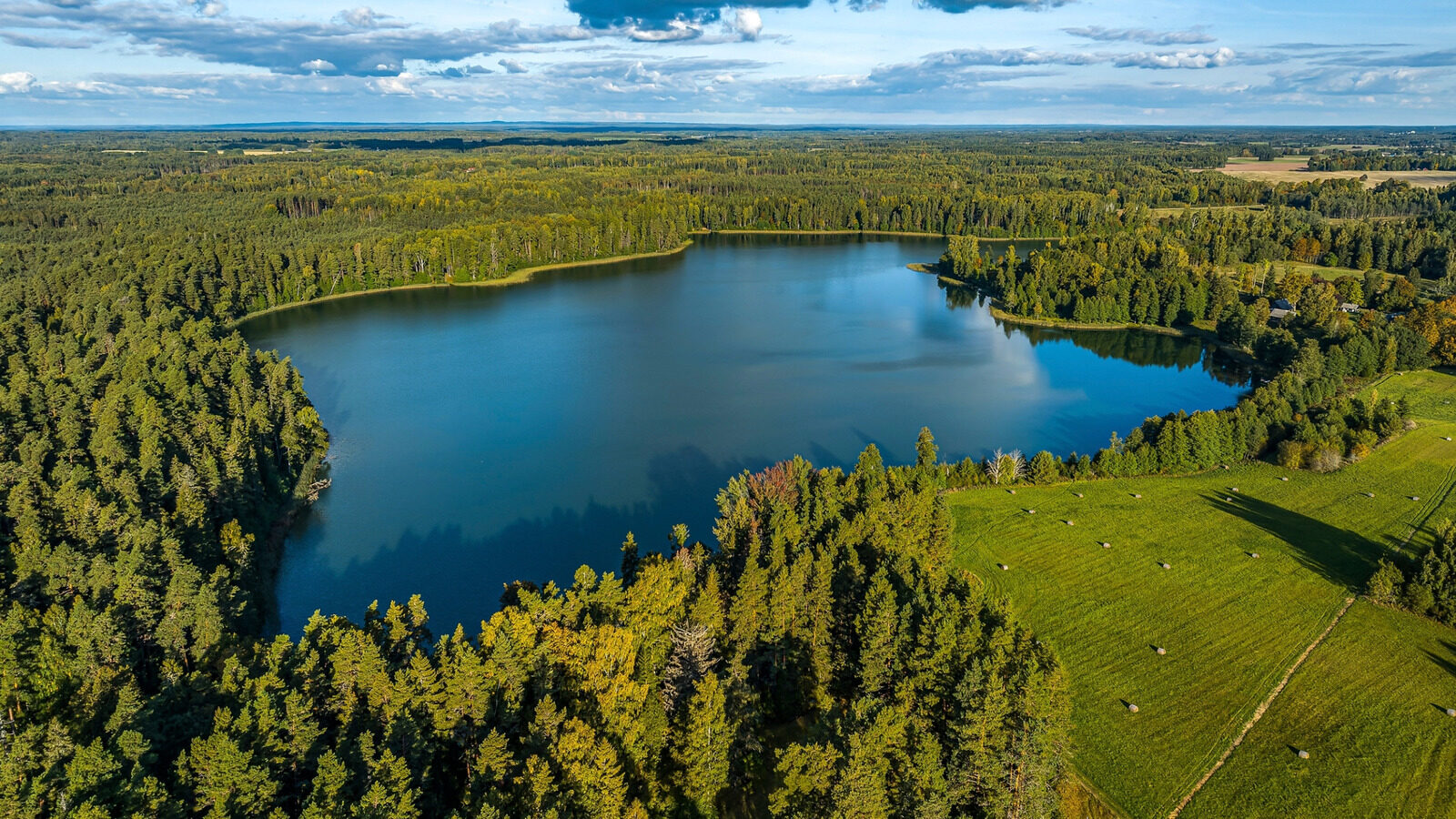
When we think about water bodies, two terms often come to la forefront: ponds and lakes. While many people assume that size is the only difference between these two types of freshwater bodies, the reality is much more nuanced. Understanding their distinctions not only enriches our appreciation of nature but also enhances our knowledge of ecosystems. Dive in as we unravel the complexities of these freshwater formations.
Understanding the terminology: ponds vs. lakes
Ponds and lakes are both classified as inland freshwater bodies, but their definitions can be surprisingly ambiguous. Traditionally, it’s believed that lakes are larger than ponds; however, this is not always the case. For instance, in Maine, the Great Pond spans 8,939 acres, while Keoka Lake is only 467 acres. Such examples highlight that naming conventions can often contradict our expectations.
Historically, there has been no strict guideline distinguishing ponds from lakes. The naming often depended on local customs and individual preferences. This lack of uniformity gives rise to interesting situations where a single body of water may hold dual identities. For example, Unity Pond in Maine is also referred to as Lake Winnecook, illustrating that the nomenclature can be quite perplexing.
Today, limnologists, or scientists who study freshwater systems, are working to categorize these bodies of water more systematically. They consider various factors beyond just size, which include depth, light penetration, and ecological characteristics. This modern perspective helps clarify the distinctions and enhances our understanding of aquatic environments.
Size and light: key distinguishing factors
While surface area serves as a common metric to differentiate ponds from lakes, depth plays a more critical role. In general, lakes tend to have a greater depth compared to ponds. This difference in depth significantly affects how light penetrates the water, which is essential for the ecosystems that develop within these bodies of water.
Most ponds are classified as photic zones, where sunlight can reach the bottom, allowing for abundant plant growth throughout the water column. In contrast, lakes often fall into the category of aphotic zones, where deeper areas remain dark and unable to support plant life. This fundamental difference in light availability leads to distinct ecological dynamics:
- Ponds: Support plant life throughout, creating rich habitats for aquatic organisms.
- Lakes: Typically have vegetation concentrated at the edges, with barren depths.
Additionally, the temperature gradient is another factor that differentiates these water bodies. Ponds usually maintain a uniform temperature due to even sunlight distribution. Conversely, lakes often exhibit stratification, where temperature varies with depth:
- Surface Layer: Warmer and well-lit, supporting higher biological activity.
- Thermocline: A layer where temperature drops sharply, creating a barrier for mixing.
- Bottom Layer: Cold and dark, often devoid of life.
These temperature dynamics influence the types of organisms that can thrive in each environment, further emphasizing the importance of depth and light in defining ponds and lakes.
The ecological impact of ponds and lakes
The differences between ponds and lakes extend beyond their physical characteristics; they also influence the ecosystems they support. Freshwater bodies host diverse organisms, but the distinct conditions of ponds and lakes create unique habitats.
Ponds, with their sunlit depths, are often teeming with life. They serve as crucial habitats for various species, including:
- Fish, such as sunfish and bass.
- Amphibians, like frogs and salamanders.
- Invertebrates, including insects and crustaceans.
On the other hand, lakes may support different species due to their deeper and darker conditions, often favoring:
- Species that require deeper waters, like trout.
- Organisms adapted to cooler temperatures, such as certain types of algae.
- Less diverse microbial communities due to limited light penetration.
Understanding these ecological distinctions allows for better conservation efforts, as different species have varying needs based on their habitat. Protection strategies can be tailored to the specific requirements of the flora and fauna found in ponds versus lakes.
Human impact and management of freshwater bodies
The relationship between humans and freshwater bodies is complex and significant. Both ponds and lakes face threats from pollution, climate change, and development, which can have dire consequences for their ecosystems. Effective management practices are essential to preserve these vital resources.
Key strategies for managing ponds and lakes include:
- Monitoring water quality: Regular testing for pollutants and nutrient levels helps maintain a healthy ecosystem.
- Restoration projects: Efforts to reclaim and rehabilitate damaged water bodies are crucial for biodiversity.
- Public education: Raising awareness about the importance of freshwater ecosystems encourages community involvement in conservation efforts.
By implementing these strategies, we can work towards ensuring the sustainability of ponds and lakes, thereby protecting the delicate balance of the ecosystems they support.
The future of ponds and lakes in a changing world
As climate change continues to impact global water systems, understanding the distinctions between ponds and lakes becomes increasingly important. Changes in temperature, precipitation patterns, and human activity can alter the characteristics of these freshwater bodies, leading to shifts in their ecosystems.
Ongoing research in limnology is vital for adapting to these changes. Scientific studies can provide insights into how temperature fluctuations affect aquatic life cycles, nutrient cycling, and overall ecosystem health. This knowledge will help inform conservation strategies and ensure that we can effectively protect these precious resources.