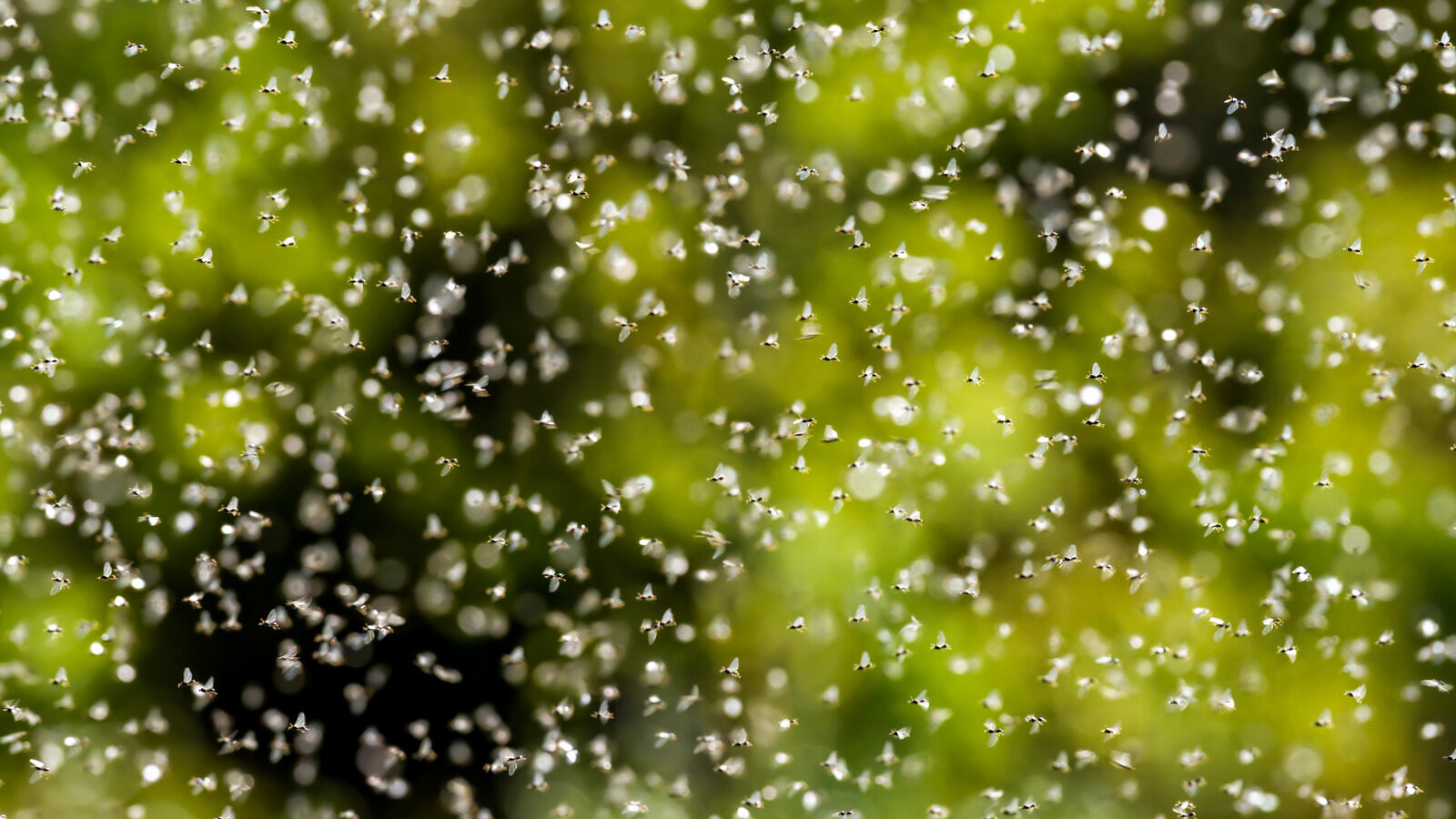
Have you ever noticed tiny ants with wings buzzing around your home and wondered what they are? These intriguing insects, often perceived as pests, play a crucial role in the lifecycle of ant colonies. Understanding the behavior of these winged ants can help you manage them effectively and appreciate their place in nature.
In this article, we will explore why some ants have wings, what it signifies, and what actions you can take if you encounter these creatures in your living space.
Understanding why some ants have wings
Among the approximately 10,000 species of ants worldwide, certain types exhibit a fascinating trait: wings. These winged ants, commonly referred to as swarmers or alates, emerge during specific times of the year to fulfill a vital role in their colonies.
Ants typically develop wings during their reproductive cycle. The process begins with the queen ant, who produces worker ants that are responsible for nest maintenance, food gathering, and colony expansion. As the colony matures—usually after one to six years—winged males and females emerge to participate in the mating ritual known as the nuptial flight.
- The nuptial flight usually occurs in spring or early summer.
- During this flight, male and female ants swarm together to mate in mid-air.
- Male swarmers typically die shortly after mating, while females land and search for suitable nesting sites.
- Once a female finds a location, she sheds her wings and establishes a new colony by laying her first batch of eggs, which will become workers.
This lifecycle emphasizes the importance of swarmers in the continuation of ant species. By dispersing to new locations, they ensure genetic diversity and the establishment of new colonies, which is essential for their survival.
Why you see flying ants indoors and what to do
Typically, winged ants take flight between April and June during their mating season. However, spotting them indoors can indicate an underlying issue: an ant infestation. These swarmers are attracted to food and moisture, making kitchens and bathrooms prime locations for their presence.
If you see flying ants inside your home, it is crucial to take action. Here are some steps to address the situation:
- Inspect your home for signs of an ant colony, paying special attention to cracks around doors, windows, and walls.
- Seal any gaps that may allow ants to enter your space.
- Eliminate potential food sources, such as crumbs or spilled liquids, and keep your kitchen clean.
- Use insect traps specifically designed for ants. These traps contain insecticides that the ants will carry back to their colony, helping to eliminate the problem at the source.
While swarmers may resemble termites in some ways, it is essential to recognize the differences between these two pests. Ants tend to have elbowed antennae, a narrow waist, and varying body colors, whereas termites have straight antennae, a more uniform body shape, and are generally lighter in color. Understanding these distinctions can help you identify the type of infestation you are dealing with.
Behavior and characteristics of swarmers
Swarmers exhibit specific behaviors that are essential for their role in the colony. Here are some noteworthy characteristics:
- Timing: Swarmers typically emerge during warm weather, coinciding with the mating season.
- Swarming behavior: They often swarm in large groups, which increases their chances of successful mating and reduces the risk of predation.
- Flight patterns: Male and female swarmers often fly high into the air before mating, allowing for a greater chance of finding partners.
- Nesting instincts: After mating, female swarmers instinctively seek out suitable locations to establish new colonies.
This behavior reflects the species’ survival strategies, as dispersal and reproduction are crucial for maintaining healthy populations.
How to prevent ant infestations
Preventing ant infestations requires a proactive approach. Here are some effective strategies to keep these pests at bay:
- Maintain cleanliness: Regularly clean your home, especially kitchens and dining areas, to eliminate food sources.
- Store food properly: Use airtight containers for food storage to deter ants from feeding.
- Seal entry points: Inspect your home’s exterior for cracks or gaps and seal them to prevent ants from entering.
- Monitor moisture levels: Keep bathrooms and kitchens dry to avoid attracting ants seeking water.
By implementing these preventative measures, you can reduce the likelihood of encountering winged ants in your home.
When to seek professional help
If you find that your efforts to manage ant infestations are unsuccessful, it may be time to consider professional pest control services. Experts can provide targeted treatments and strategies tailored to your specific situation, ensuring a long-term solution to your ant problem.
In summary, understanding the lifecycle and behavior of winged ants can empower you to manage and prevent infestations effectively. By maintaining cleanliness, sealing entry points, and monitoring your home, you can create an environment that is less inviting to these resilient insects.