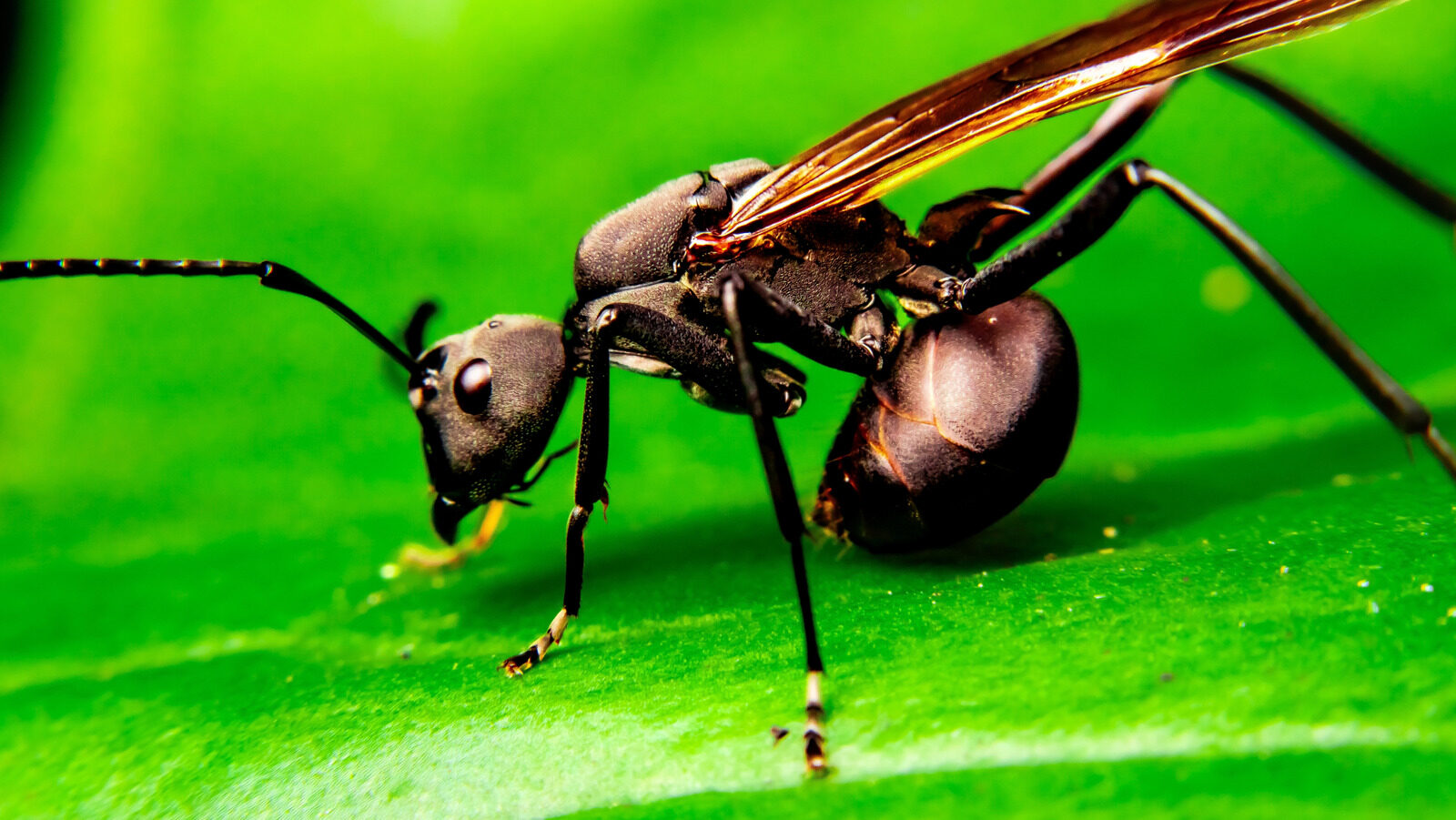

When it comes to the natural world, some of the most fascinating creatures are also the smallest. Among them, the bullet ant stands out not just for its appearance but for the sheer intensity of its sting. This article explores the unique characteristics of the bullet ant, the experience of its sting, and what makes it infamous in the realm of painful insect encounters.
The bullet ant: a small giant of pain
Native to the tropical rainforests of Central and South America, the bullet ant, scientifically known as Paraponera clavata, is an impressive creature. Despite its modest size—averaging between 18 and 30 millimeters (about 0.7 to 1.2 inches) in length—it is considered one of the largest ant species.
What sets the bullet ant apart from its relatives is its notably large stinger, which can measure up to 3.5 mm (0.13 inches). This intimidating feature, combined with its powerful mandibles, gives the bullet ant a fierce appearance and an even fiercer reputation.
Unlike more common ants, bullet ants possess striking characteristics:
- Distinctive Appearance: They have a shiny, black body that can appear reddish-brown, with large mandibles that are used for foraging and defense.
- Social Structure: Bullet ants live in colonies that can contain hundreds of individuals, and they are known for their aggressive defense of their nests.
- Habitat: These ants are primarily found in lowland rainforests, where they thrive in the humid environment.
With their unique adaptations, bullet ants are perfectly equipped for survival in their dense, competitive ecosystems. However, it is their sting that has truly made them infamous.
The most painful sting on the planet
Few insects can boast a sting as agonizing as that of the bullet ant. The pain inflicted has been described in various terms, but one of the most prominent comparisons is to a gunshot wound. This intense pain can lead to symptoms such as uncontrollable trembling and can last for hours, sometimes extending into a full day.
The bullet ant’s sting has been classified using the Schmidt Sting Pain Index, developed by entomologist Justin O. Schmidt. This scale rates the pain of insect stings from 0 to 4, with the bullet ant receiving a full 4, the highest rating possible. Schmidt’s personal account of the experience includes vivid descriptions:
- “Pure, intense, brilliant pain.”
- “Like walking over flaming charcoal with a three-inch nail embedded in your heel.”
The agony experienced from a bullet ant sting is not merely subjective; it is a physiological response to the venom, which contains a neuropeptide called poneratoxin. This compound has a specific effect on the nervous system, intensifying the sensation of pain.
The science behind the sting
Understanding the bullet ant’s venom provides insight into why its sting is so excruciating. The poneratoxin interacts with voltage-gated sodium channels known as Nav1.7, primarily found on pain receptors. These interactions create an overwhelming signal sent to the brain, registering as intense pain.
The mechanism through which the venom operates can be broken down as follows:
- Neurotransmitter Effects: Poneratoxin alters neurotransmitter function, affecting pain perception.
- Muscle Contractions: It induces muscle contractions, which contribute to the feeling of tremors and instability.
- Duration of Pain: The pain can persist long after the initial sting, leaving a lasting impression on the victim.
This scientific understanding not only explains the pain but also illustrates the intricate relationship between venom composition and sensory perception.
A man who volunteered for the sting
One of the most compelling stories surrounding the bullet ant involves Justin Schmidt himself. His dedication to the field of entomology led him to willingly endure the sting of over 150 insect species, documenting his experiences meticulously. Schmidt’s work culminated in the publication of his book, “The Sting of the Wild.”
In his research, Schmidt emphasized the unique nature of the bullet ant’s sting. His firsthand account of the experience informs the Schmidt Sting Pain Index, establishing a standard for measuring the pain caused by insect stings. The bullet ant, having earned the highest rating, has become a benchmark in the study of insect-related injuries.
Why the bullet ant is a subject of fascination
The bullet ant’s combination of size, appearance, and pain-inducing capabilities makes it a topic of interest not only for scientists but also for thrill-seekers and pain enthusiasts. Various cultural rituals incorporate the bullet ant’s sting as a test of endurance. For instance, some indigenous tribes utilize the bullet ant’s sting in initiation rites, viewing it as a rite of passage.
Furthermore, the bullet ant stands as a reminder of nature’s complexity, showcasing how even the smallest creatures can wield significant power. The fascination with their sting transcends mere curiosity; it raises questions about pain, survival, and the ecological roles these creatures play.
Overall, the bullet ant exemplifies the intricate balance of beauty and danger found in nature, making it a worthy subject for further study and admiration.
Potential medical insights from bullet ant venom
Interestingly, the study of bullet ant venom may also open doors to medical advancements. Researchers are exploring the potential applications of poneratoxin in pain management and other therapeutic uses. The unique properties of this venom could lead to breakthroughs in understanding pain mechanisms and developing new treatments for chronic pain conditions.
As scientists continue to investigate the nuances of bullet ant venom, it offers a glimpse into the potential for creating novel pain relief strategies, turning a source of agony into a beacon of hope for those suffering from persistent pain.