
Underwater volcanic eruptions are among the most fascinating yet least understood phenomena in nature. While the world often focuses on the dramatic eruptions of land-based volcanoes, a staggering 80% of volcanic activity occurs beneath the ocean’s surface. Understanding these hidden eruptions not only unveils the mysteries of our planet’s geology but also reveals their profound impacts on marine ecosystems and coastal communities.
Recent technological advancements have enabled scientists to study these underwater giants, shedding light on their behaviors and consequences. This article explores the intricate dynamics of underwater volcanic eruptions, their effects on the environment, and how they intertwine with geological processes.
How water influences volcanic eruptions
The mechanics of volcanic eruptions differ significantly between land and underwater environments. When magma, the molten rock beneath the Earth’s crust, reaches the surface, the dynamics change drastically due to the immense water pressure exerted at great ocean depths. This pressure can exceed 100 times that of a volcano at sea level.
This immense pressure suppresses the explosive potential of the magma, resulting in less violent eruptions compared to their land counterparts. Instead of explosive blasts, underwater eruptions often produce a more subdued release of materials. Interesting phenomena occur when magma meets cold ocean water:
- The rapid cooling of lava leads to the formation of solid rock almost immediately.
- Eruptions can create plumes of steam and gas as the intense heat vaporizes surrounding water.
- In some cases, eruptions can occur without disturbing the ocean surface, creating subtle but significant underwater changes.
Volcanoes situated closer to the ocean’s surface have the potential to send eruption plumes above the waves, creating spectacular displays. The vapor and ash generated in these eruptions can be seen from various distances, serving as a powerful reminder of the forces at play beneath the waves.
Underwater eruptions and their connection to earthquakes and tsunamis
Underwater volcanoes are often associated with seismic activity, as their formation and eruptions are linked to the movement of tectonic plates. Most volcanoes exist along these plate boundaries, particularly in the Pacific Ring of Fire, where approximately 75% of the world’s volcanoes are located.
Earthquakes and underwater eruptions are closely related; the movement of magma can trigger seismic activity, and vice versa. Scientists frequently monitor seismic trends to predict potential volcanic eruptions. Consider these key points:
- Seismic activity often precedes volcanic eruptions, allowing scientists to issue warnings.
- Many underwater eruptions can trigger earthquakes of varying magnitudes.
- Tsunamis, caused by underwater eruptions and earthquakes, pose significant risks to coastal regions.
A notable statistic reveals that tsunamis account for approximately 20% of fatalities related to volcanic eruptions over the last four centuries, with most occurring when eruptions happen close to shore. The potential for destruction highlights the interconnectedness of these geological phenomena.
Origin of islands from underwater eruptions
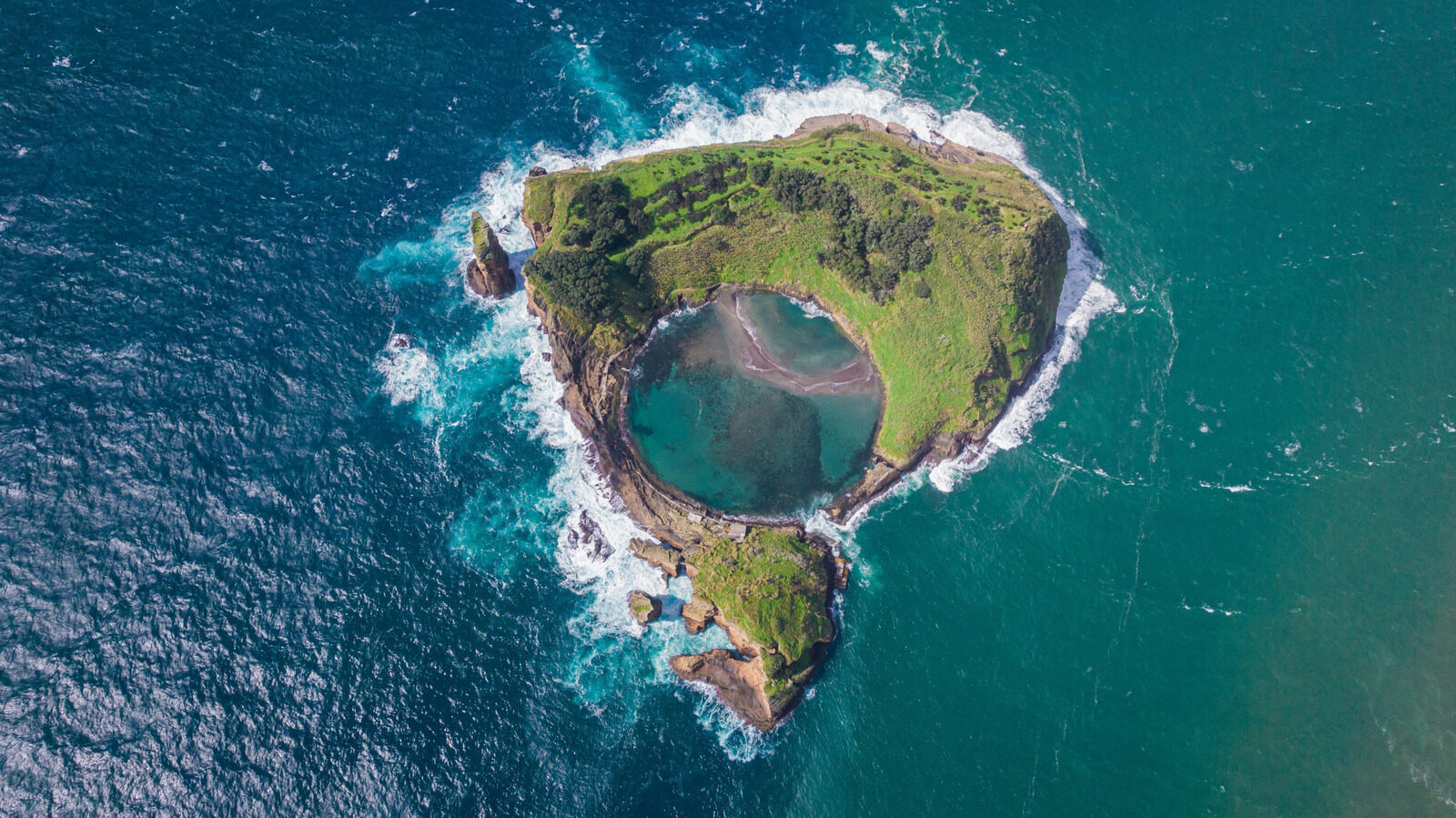
While volcanic eruptions can wreak havoc, they also play a crucial role in land formation. Many islands, including Hawaii and Iceland, owe their existence to underwater volcanic activity. The process of island formation begins when a volcano erupts and lava flows outward, cooling rapidly in the ocean.
Over the course of thousands of years, the accumulation of solidified lava creates new landmasses. Here’s how it typically unfolds:
- Lava flows from a volcano under the sea, spreading due to water pressure.
- As the lava cools, it solidifies into rock, gradually building up the volcano.
- Once the volcano breaches the ocean surface, eruptions can become more explosive, contributing to landmass growth.
However, without sustained volcanic activity, these islands face erosion and potential submersion back into the ocean, illustrating the delicate balance between creation and destruction in nature.
The impact of underwater volcanoes on marine ecosystems
Underwater volcanoes harbor a unique blend of destructive and nurturing forces. While eruptions can devastate local marine life, the environments created afterward can support a diverse range of organisms. Here are some key aspects of how underwater volcanic activity affects marine ecosystems:
- High temperatures and lava flows can kill marine organisms in the immediate vicinity during eruptions.
- In the aftermath, mineral-rich emissions can enrich the surrounding waters, fostering new life.
- Hydrothermal vents formed by underwater volcanoes create unique ecosystems, supporting specialized species.
These hydrothermal vents, often found along volcanic arcs, are teeming with life forms that thrive in extreme conditions. Remarkably, some scientists propose that these environments could be the origin of life on Earth, showcasing the intricate connections between geology and biology.
Scientific methods for studying underwater volcanoes
The study of underwater volcanoes has long been a challenging endeavor due to their depths and the harsh conditions of the ocean. However, recent advancements in technology have revolutionized our understanding of these geological systems.
Scientists employ several tools to explore underwater volcanoes:
- Seismometers to detect seismic activity and locate potential volcanic sites.
- Bottom pressure recorders to measure water pressure and identify underwater formations.
- Remote-operated vehicles (ROVs) equipped with cameras to record eruptions and observe marine life.
A groundbreaking moment in volcanology occurred in 2009 when scientists captured the first-ever video footage of an underwater eruption. This advancement not only provided insights into the eruption process but also opened up new avenues for understanding how life recovers in these unique environments.
Recent examples of underwater volcanic eruptions
The past few years have seen significant underwater volcanic activity, often without immediate consequences for human populations. One of the most notable events was the eruption of the Hunga Tonga–Hunga Ha’apai volcano in 2022, which produced the most powerful underwater eruption recorded, surpassing even atomic bomb tests. The eruption was so powerful that it was heard over 6,000 miles away and released a plume of vapor containing enough water to fill 58,000 Olympic swimming pools.
In 2023, the world witnessed another phenomenon when a new island began to form off Iwo Jima, Japan, as a result of an underwater eruption. This brief formation highlights the transient nature of volcanic islands, as many of them can quickly submerge again if volcanic activity ceases.
Looking ahead, scientists continue to monitor underwater volcanoes, including Axial Seamount off Oregon’s coast, which is actively studied for potential eruptions. Its location, far from population centers, minimizes risks to human life while providing valuable data for ongoing research.