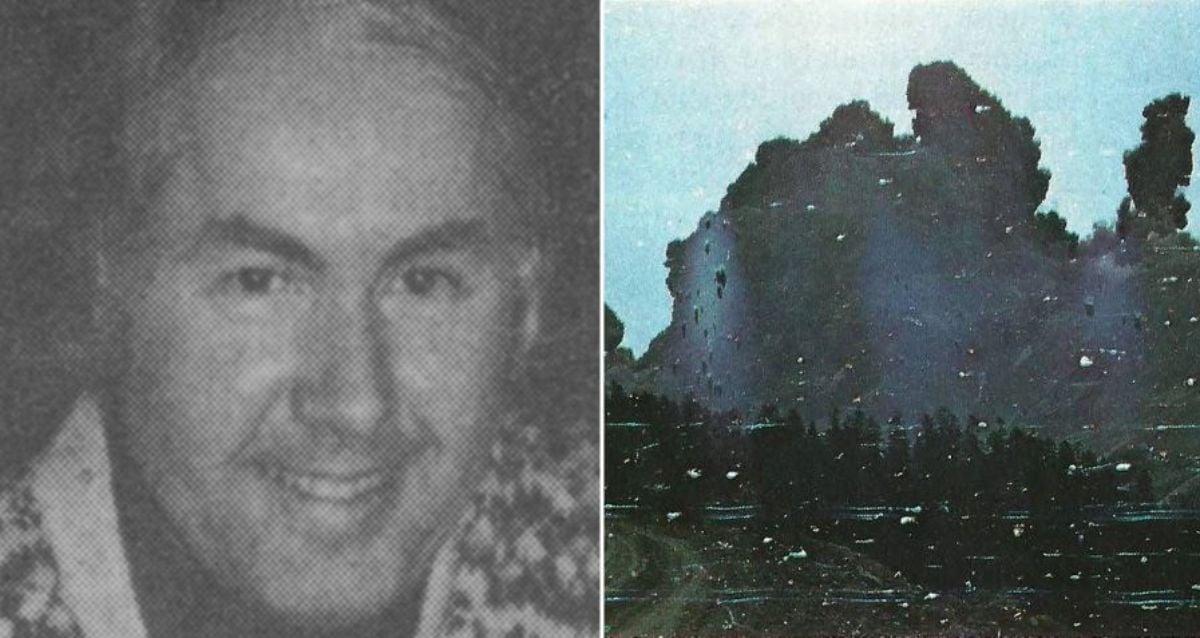
The eruption of Mount St. Helens in 1980 was a devastating event that shocked the world. It left behind a landscape forever changed and claimed the lives of 57 people. Among those lost was Robert Landsburg, a passionate photographer who had been documenting the volcano’s activity for weeks leading up to the eruption. Landsburg, a dedicated mount st helens photographer, understood the immense power of Mother Nature and sought to capture its raw beauty through his lens.
His story is one of bravery, sacrifice, and the enduring legacy of art in the face of tragedy. He was positioned just four miles west of the volcano when it erupted, realizing the danger of the approaching pyroclastic flow. Despite this imminent threat, he continued to capture images, documenting every terrifying moment. His final photographs, depicting a growing cloud of ash, were published by National Geographic in 1981, immortalizing Landsburg’s sacrifice and offering a powerful visual record of this catastrophic event.
Landsburg’s story continues to resonate with people today. It serves as a reminder of the power of nature and the courage of those who seek to understand it. His robert landsburg photos are a testament to his dedication to capturing the beauty and ferocity of the natural world, even in the face of danger. They have become an enduring legacy, reminding us of the fragility of life and the importance of preserving our planet’s wonders.
The Eruption of Mount St. Helens
On May 18th, 1980, at 8:32 AM, Mount St. Helens roared to life in a cataclysmic eruption that would forever change the landscape and lives of those who witnessed it. It was a spectacle both terrifying and awe-inspiring, a display of nature’s raw power that sent shockwaves across the globe. This wasn’t just any volcanic event; it was the most powerful eruption in recorded history in the contiguous United States.
A massive landslide, triggered by the buildup of pressure beneath the mountain’s summit, ripped through the north face at an estimated 200 miles per hour. This avalanche removed over a billion tons of rock and debris, revealing the heart of the volcano. The force of the eruption sent ash, gas, and pumice high into the atmosphere, creating a massive cloud that spread across hundreds of miles. Entire forests were flattened in an instant, towns buried under layers of volcanic debris, and countless animals perished.
The world watched in horror as news of the eruption unfolded. Images of the devastated landscape and missing people filled television screens and newspapers, sparking both grief and a sense of wonder at the immense power of nature. This was more than just a natural disaster; it was a defining moment that served as a stark reminder of our own vulnerability in the face of Earth’s unpredictable forces.
Robert Landsburg: A Dedicated Photographer
Robert Landsburg wasn’t just a photographer; he was an artist deeply drawn to the power and beauty of the natural world. He had a particular fascination with volcanoes, captivated by their fiery energy and the dramatic landscapes they sculpted. This passion led him to Mount St. Helens in the weeks leading up to its fateful eruption. Landsburg understood that capturing these moments wasn’t just about taking pictures; it was about preserving a story, documenting a fleeting chapter in Earth’s history.
He had been working on a project for National Geographic, seeking to capture the ever-changing face of the volcano as it showed signs of unrest. Landsburg knew the risks involved, but his dedication to his craft and his desire to share these awe-inspiring scenes with the world outweighed any fear. He meticulously documented every detail, from the steaming vents to the subtle shifts in the landscape, always aware that time was of the essence.
Landsburg’s photos became more than just images; they were a testament to his bravery and commitment to truth. He wasn’t just documenting a story; he was becoming part of it. His robert landsburg photos would forever serve as a poignant reminder of both the beauty and the destructiveness of nature, and the sacrifices made by those who dared to capture its essence.
Capturing the Moment of Disaster
As the ground began to tremble and the air filled with a sulfurous stench, Landsburg knew he was witnessing something extraordinary, something terrifyingly beautiful. His instincts took over, urging him to capture every moment of this unfolding disaster. He knew that these weren’t just pictures; they were capturing a piece of history, a record of nature’s raw power that the world needed to see.
With unwavering focus, Landsburg continued to photograph the increasingly violent eruption. He documented the massive ash plume billowing into the sky, the incandescent glow emanating from the crater, and the devastating avalanche that ripped through the landscape. Each click of his camera was a testament to his courage and his dedication to documenting this cataclysmic event.
The moment of truth arrived quickly as the deadly pyroclastic flow surged towards Landsburg’s position. He knew he had mere seconds to react. In a final act of heroism, he shielded a canister containing his film with his body, ensuring that these precious images would survive. The force of the eruption was overwhelming, but despite the immense danger, Landsburg had captured moments that would forever change our understanding of Mount St. Helens and the robert landsburg photos restored.
Legacy Through Lens and Sacrifice
Landsburg’s story didn’t end with the eruption; it continued through his haunting photographs and the enduring impact they had on the world. His final images, published by National Geographic in 1981, provided a chillingly beautiful glimpse into the raw power of nature and the devastating consequences of its fury. They served as a poignant reminder of both the fragility of life and the importance of preserving our planet’s wonders.
His work helped raise awareness about the dangers posed by volcanoes and sparked a renewed interest in understanding these powerful geological forces. Landsburg’s sacrifice, his willingness to put himself in harm’s way to capture this momentous event, cemented his place as a true hero of photography. He became a symbol of courage, dedication, and the relentless pursuit of truth, even in the face of adversity.
Though gone too soon, Landsburg’s legacy lives on through his robert landsburg photos, inspiring generations of photographers and reminding us that sometimes the most powerful stories are told not with words, but with images. He proved that art can transcend tragedy, offering a glimpse into the heart of darkness while simultaneously revealing the enduring beauty of our world.
Witnessing Destruction
The eruption of Mount St. Helens was a spectacle of immense destruction, reshaping the landscape in an instant and leaving behind a scene of utter devastation. Landsburg, positioned just four miles west of the volcano, bore witness to this catastrophic event firsthand. He saw with his own eyes the earth tremble, buildings crumble, and entire forests vanish beneath a wave of ash and debris.
He documented the terrifying power of the pyroclastic flow as it surged towards him, a searing wall of superheated gas and volcanic rock that incinerated everything in its path. Landsburg knew he was facing a moment of unimaginable danger, but his commitment to capturing this historical event drove him forward. He continued to photograph, documenting every detail of this unfolding disaster, knowing that these images would serve as a testament to the destructive power of nature.
The sheer scale of the devastation was overwhelming. Landsburg saw countless trees uprooted and twisted into unrecognizable shapes, homes buried under layers of ash, and animals caught in the path of destruction. The air was thick with smoke and dust, creating an eerie silence that punctuated by occasional bursts of thunderous explosions from the volcano. It was a scene of utter chaos and despair, a stark reminder of humanity’s vulnerability in the face of nature’s wrath.