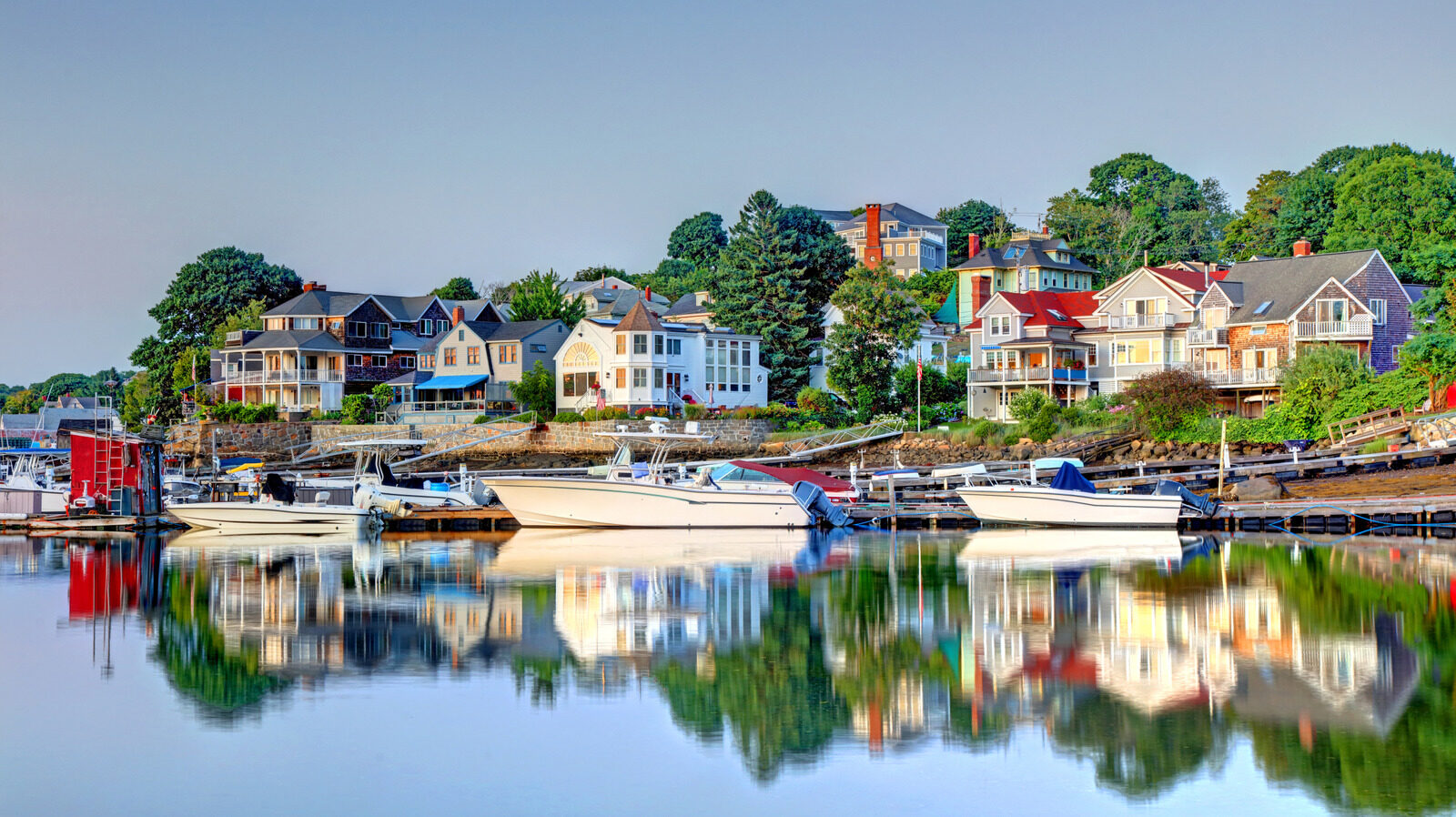
In recent times, the coastal city of Gloucester, Massachusetts, has been engulfed by an unexpected and overwhelming odor reminiscent of rotten eggs. This peculiar phenomenon has drawn the attention of both locals and visitors alike, prompting city officials to investigate the cause. As the mystery unraveled, it became clear that this stench was linked to an invasive seaweed species, shedding light on broader environmental issues.
Understanding the implications of this occurrence not only reveals the dynamics of local ecosystems but also highlights the growing challenges posed by invasive species in coastal regions. Let’s explore how a seaweed from Japan has made its way to American shores and the environmental ramifications of its presence.
How a seaweed from Japan ended up rotting on American beaches
The invasive seaweed responsible for the foul smell in Gloucester is known as Heterosiphonia japonica. This species, originally native to the western Pacific, notably Japan, first appeared on the shores of Rhode Island in 2007. Its rapid spread along the eastern coast of the United States raises significant concerns among environmentalists and local officials.
Once introduced, Heterosiphonia japonica has demonstrated an alarming ability to thrive in new environments. Unlike its native habitat, where it constitutes less than 1% of the total seaweed biomass, this invasive algae found an ideal conditions in the Atlantic Ocean. Here, it proliferates without the natural competitors that typically keep its growth in check.
In Gloucester, the seaweed’s presence can be attributed to a series of weather events, particularly strong winds generated by Hurricane Erin. These winds transported the seaweed ashore, where it subsequently decomposed, releasing the infamous odor that has perplexed the local population. The decomposition process of this red algae not only contributes to unpleasant smells but also affects local ecosystems in various ways.
The environmental impact of invasive seaweeds
Invasive species like Heterosiphonia japonica can have profound effects on local ecosystems, including:
- Biodiversity loss: Invasive species often outcompete native species for resources, leading to declines in biodiversity.
- Altered habitats: They can change the physical characteristics of habitats, making them less suitable for native flora and fauna.
- Economic costs: The presence of invasive species can harm local economies reliant on tourism and fishing.
- Health risks: Decomposing seaweed can produce toxins harmful to marine life and humans.
The rapid expansion of Heterosiphonia japonica along the Atlantic coast is part of a broader trend of invasive species proliferation. Their introduction, often exacerbated by human activities and climate change, highlights the urgent need for better management strategies to protect native ecosystems.
The response of local authorities
In response to the overwhelming odor, Gloucester officials took to social media, specifically their Facebook page, to inform residents about the source of the smell. They assured the public that while the odor was unpleasant, it was a natural occurrence and would dissipate over time. This communication was crucial in alleviating concerns and preventing panic among the local population.
Officials emphasized that this phenomenon is not an isolated incident but rather part of a larger pattern of environmental changes influenced by human activities. The increasing frequency of severe weather events and the introduction of invasive species necessitate a more proactive approach to coastal management.
Understanding the life cycle of Heterosiphonia japonica
The life cycle of Heterosiphonia japonica is complex and can vary significantly between its native and invasive ranges. Key characteristics include:
- Growth patterns: In its native habitat, this seaweed experiences sporadic growth, typically occurring only a few times a year.
- Reproductive strategies: It reproduces through fragmentation, allowing it to spread rapidly once established in a new environment.
- Environmental tolerance: The seaweed exhibits a remarkable ability to adapt to varying salinity and temperature conditions.
These traits have enabled Heterosiphonia japonica to flourish in the Atlantic, leading to its current problematic status along the coast. Understanding these aspects is vital for developing effective control measures and mitigating the negative impacts on local ecosystems.
Broader implications of invasive species
The case of Heterosiphonia japonica serves as a reminder of the delicate balance within marine ecosystems. The introduction of invasive species often leads to a cascade of ecological changes, affecting not only biodiversity but also the livelihoods of communities dependent on these ecosystems. Some of the broader implications include:
- Increased management costs: Local governments and organizations may need to allocate resources for monitoring and controlling invasive species.
- Research needs: There is a growing demand for scientific research to understand the ecological impacts and develop management strategies.
- Public education: Raising awareness about the impacts of invasive species can help communities take proactive measures to protect their environment.
As the situation in Gloucester illustrates, the presence of invasive species is not just a local issue but a global challenge requiring collective efforts to address. By fostering collaboration among scientists, policymakers, and communities, we can work towards safeguarding marine ecosystems from the threats posed by invasive organisms.