Across the United States, conservation efforts are gaining momentum as scientists and wildlife experts work tirelessly to reverse the alarming trend of species extinction. Among those efforts, the reintroduction of the lake sturgeon, a prehistoric fish known for its remarkable resilience and longevity, is a notable highlight. This initiative not only aims to restore the population of this ancient species but also to rejuvenate the ecosystems they inhabit. Let’s dive deeper into this fascinating conservation story.
Ohio is revitalizing the lake sturgeon population
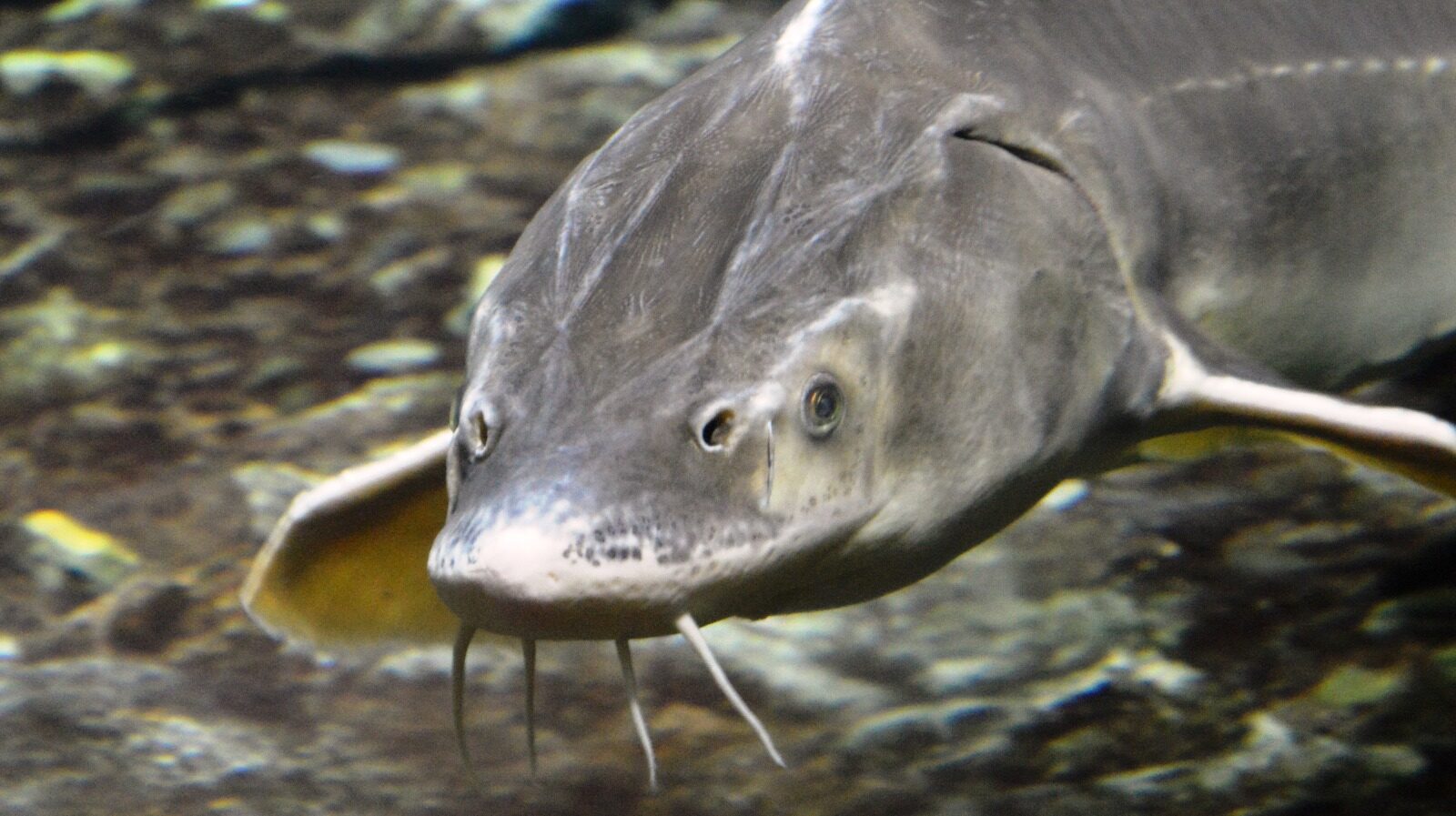
The lake sturgeon, scientifically known as Acipenser fulvescens, is a unique fish that dates back over 150 million years. With a body resembling that of an armored shark, these fish are distinguished by their bony plates and a long, tube-like mouth situated on their underside. Typically, they range from 4 to 6 feet in length, but some specimens can grow to a staggering 8 feet. Weighing between 50 and 100 pounds, the largest recorded lake sturgeon was a colossal 216 pounds caught in Ohio’s Lake Erie in 1929.
Historically, lake sturgeons thrived in Ohio’s waterways, including the Ohio River and Lake Erie. However, their populations have drastically declined over recent decades, primarily due to human activities such as dam construction, which obstructed their spawning routes. Conservationists are now taking decisive action to bring the lake sturgeon back from the brink.
On October 4, 2025, Ohio wildlife experts plan to release an unprecedented 1,500 juvenile lake sturgeons into the Cuyahoga River. This initiative, part of a broader recovery strategy for the river, follows a previous release of 60 fish implanted with tracking transmitters. The goal is not only to reintroduce sturgeons but to create a self-sustaining population that can thrive in Ohio’s waterways once again.
Key factors driving the reintroduction in Ohio include:
- Restoration of natural habitats for spawning.
- Removal of barriers that prevent fish migration.
- Public awareness and support for conservation initiatives.
- Collaboration between local wildlife agencies and conservation groups.
Michigan’s ambitious lake sturgeon restoration efforts
Similar to Ohio, Michigan faces challenges in restoring its lake sturgeon population, particularly in the Saginaw River system. Once abundant, the sturgeon population in this area has also suffered significant declines, leading to its classification as a threatened species. To combat this, restoration efforts have been in place since 2014, with the Saginaw Bay Sturgeon Restoration group spearheading the initiative.
Recently, the group achieved a remarkable milestone by releasing 7,000 juvenile lake sturgeons into the Saginaw River system. This effort is essential for restoring the species to its historical range, as these fish are expected to migrate to the Great Lakes, where they can reproduce and establish a sustainable community.
The lake sturgeon is a slow-maturing species, taking 15 to 20 years to reach sexual maturity. Given their longevity, living between 55 to 150 years, the success of these reintroduction efforts is crucial for ensuring their survival in the long term. The hope is that with continued releases and habitat restoration, the lake sturgeon will once again flourish in Michigan waters.
Challenges faced in Michigan include:
- Habitat degradation from urban development.
- Pollution affecting water quality.
- Invasive species competing for resources.
- Barriers like dams that hinder fish movement.
The ecological importance of lake sturgeons
The lake sturgeon plays a vital role in maintaining ecological balance in freshwater systems. As bottom feeders, they help control populations of invertebrates, contributing to the overall health of their ecosystems. Their feeding habits can influence sediment dynamics, which in turn affects the habitat of other fish and aquatic organisms.
Furthermore, the presence of healthy lake sturgeon populations is indicative of a thriving aquatic ecosystem. Their decline often signals broader environmental issues that need addressing. Conservation of this species thus not only benefits the sturgeon itself but also promotes the health of various other species within its habitat.
Community involvement in sturgeon conservation
Community engagement is pivotal in the success of conservation efforts for the lake sturgeon. Initiatives to educate the public about the importance of this fish have led to increased support for preservation efforts. Local schools, organizations, and nature enthusiasts are getting involved through various programs including:
- Educational workshops and seminars.
- Volunteer opportunities for habitat restoration.
- Citizen science projects to monitor fish populations.
- Public awareness campaigns highlighting the plight of the lake sturgeon.
These community-driven initiatives foster a sense of stewardship towards local waterways, encouraging individuals to take an active role in preserving their natural heritage.
Future directions for lake sturgeon recovery
As Ohio and Michigan continue their efforts to revive the lake sturgeon population, ongoing research and monitoring will be essential. This includes tracking the released fish using telemetry to gather data on their movements, growth rates, and spawning success. Additionally, long-term conservation strategies must address the underlying threats to their survival, such as habitat degradation and pollution.
With collaborative efforts between wildlife agencies, conservation groups, and local communities, there is hope for a brighter future for the lake sturgeon. As a living testament to Earth’s prehistoric past, safeguarding this species will not only preserve biodiversity but also enrich the ecosystems that depend on their presence.