

Growing your own vegetables can be a rewarding experience, especially when it comes to tomatoes. However, many gardeners face challenges, one of the most common being the cracking of tomatoes as they ripen. Understanding the reasons behind this phenomenon can help you cultivate healthier plants and enjoy a bountiful harvest.
Tomatoes cracking is not just a cosmetic issue; it can affect the overall quality and edibility of the fruit. In this article, we will delve into the causes of tomato cracking, how to prevent it, and the different types of cracks that can occur. By being informed, you can ensure that your homegrown tomatoes remain delicious and intact.
Understanding the Causes of Tomato Cracking
Tomatoes are particularly sensitive to changes in their environment, especially regarding water availability. The primary cause of cracking is the inconsistency in watering. This situation often arises when tomatoes undergo periods of drought followed by heavy rain. Here’s how it works:
- During dry spells, the tomato plant conserves water, leading to a slower growth rate.
- When a sudden rainstorm occurs, the tomato absorbs a large amount of water quickly.
- This rapid absorption causes the interior of the fruit to swell faster than the skin can expand, resulting in cracks.
Additionally, other factors can contribute to this issue, including:
- Temperature fluctuations: Extreme heat followed by cool weather can stress the plant.
- Soil quality: Poor soil that lacks nutrients can weaken the plant’s structure.
- Plant variety: Some tomato varieties are more prone to cracking than others, especially larger types.
How to Prevent Cracking in Tomatoes
Preventing tomato cracking largely revolves around maintaining consistent moisture levels in the soil. Here are some effective strategies to ensure your tomatoes remain crack-free:
- Regular watering: Aim for deep watering sessions at least once or twice a week, depending on the weather.
- Mulching: Apply a layer of organic mulch to help retain soil moisture and regulate temperature.
- Drip irrigation: Install a drip irrigation system for a steady and controlled water supply.
- Compost addition: Enrich your soil with homemade compost to improve its moisture-retaining capacity.
- Monitor weather conditions: Be proactive during dry spells or heavy rain forecasts to adjust your watering schedule.
Types of Cracking in Tomatoes
Not all cracks in tomatoes are equal; they can vary significantly in severity and implications. Understanding the types of cracks can help you determine how to handle affected fruits:
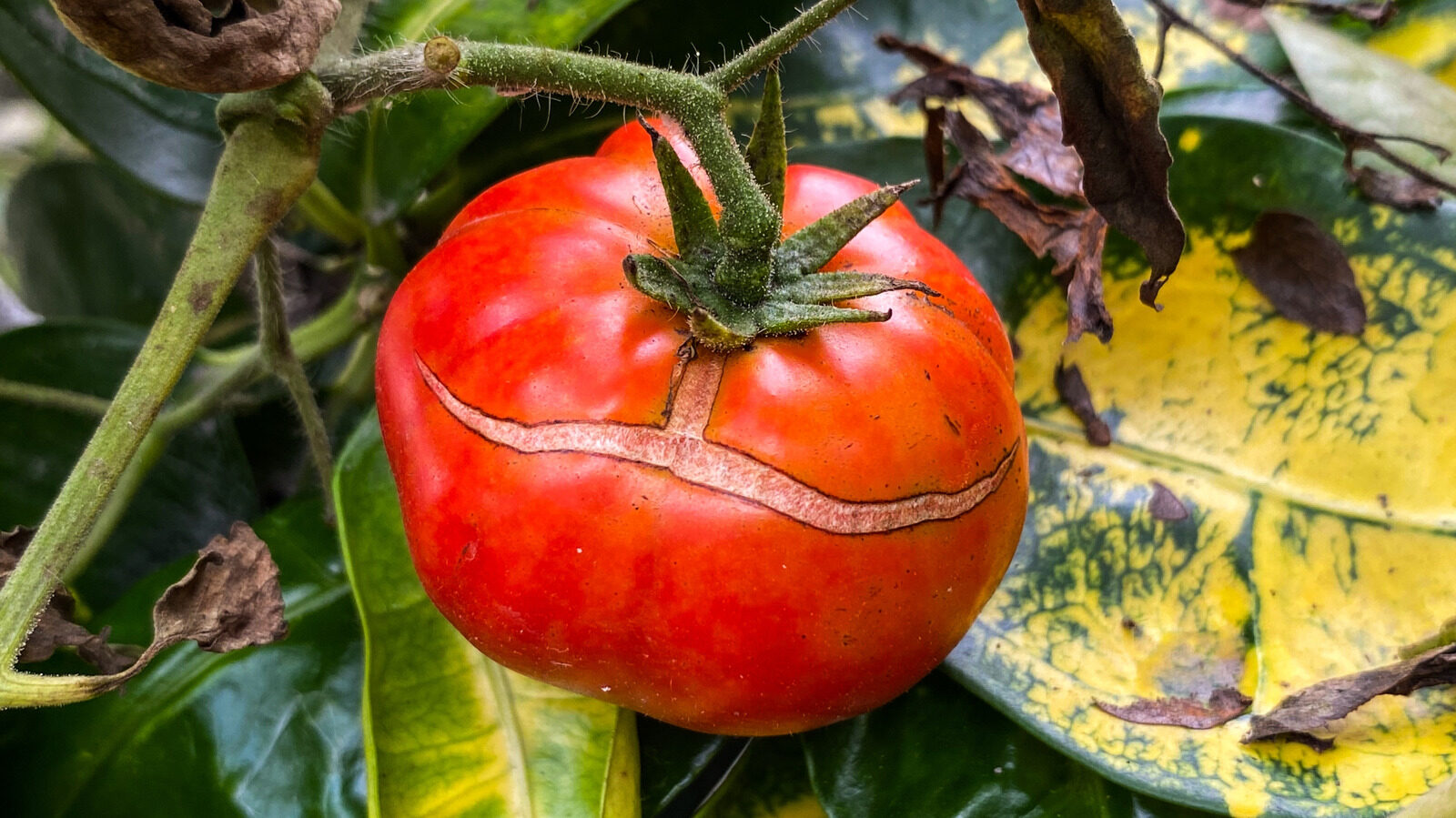
- Concentric cracking: This type occurs when the skin splits horizontally, usually around the stem area. It results in circular patterns and is generally less severe.
- Radial cracking: Vertical splits that extend from the stem down the side of the fruit characterize this more serious condition. These cracks can expose the tomato flesh to pests and diseases.
Regardless of the type of crack, it’s advisable to harvest any affected tomatoes promptly to prevent further damage. Leaving cracked fruits on the vine may lead to rot due to exposure to pathogens.
Assessing the Edibility of Cracked Tomatoes
One of the pressing questions for gardeners is whether cracked tomatoes are still safe to eat. Generally, cracked tomatoes can be consumed, but there are important considerations:
- If the crack is superficial and the tomato appears otherwise healthy, it is typically safe to eat.
- Check for signs of rot, mold, or unusual odors. If any are present, discard the fruit.
- Cracked tomatoes can also be processed into sauces or soups, where appearance is less of an issue.
Environmental Factors Affecting Tomato Health
Beyond watering practices, several environmental factors impact the overall health of tomato plants and their susceptibility to cracking:
- Sunlight: Tomatoes require at least six hours of direct sunlight per day for optimal growth.
- Soil pH: The ideal pH range for tomatoes is between 6.0 and 6.8. Soil that is too acidic or alkaline can hinder nutrient uptake.
- Pest management: Keep an eye out for pests like the tomato hornworm, which can damage fruits and lead to cracking.
Long-Term Solutions for Healthy Tomato Growth
Creating a sustainable environment for your tomato plants not only helps prevent cracking but also promotes overall health. Consider implementing the following long-term strategies:
- Crop rotation: Rotate your tomato crops each year to prevent soil-borne diseases.
- Companion planting: Grow tomatoes alongside plants that can naturally deter pests, such as basil or marigolds.
- Regular soil testing: Conduct soil tests to monitor nutrient levels and pH balance, adjusting as necessary.
Conclusion on Tomato Cracking
Understanding the causes and prevention methods for tomato cracking can greatly enhance your gardening experience. By ensuring consistent watering, recognizing the types of cracks, and maintaining a healthy growing environment, you can enjoy a bountiful harvest of delicious, intact tomatoes.