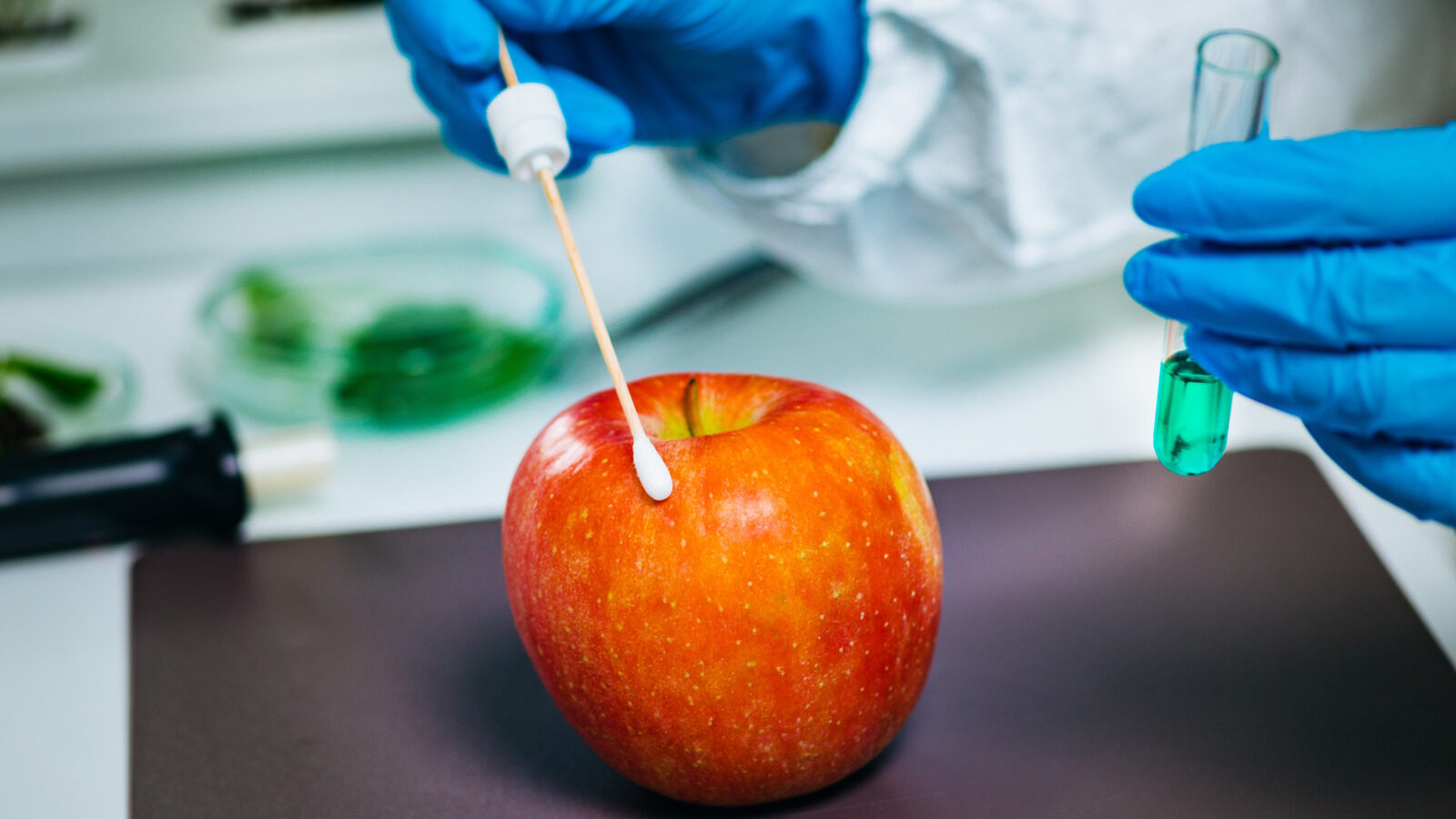

When it comes to enjoying fresh fruits, many people assume that a simple rinse under running water is sufficient to remove harmful contaminants. However, recent studies have revealed that this common practice may not be as effective as we think. Understanding the best methods for washing fruits can significantly reduce pesticide residues and enhance our food safety. Let’s delve into the effective ways to clean your produce and the science behind these techniques.
Why washing fruit is essential for health
Fresh fruits are key components of a balanced diet, packed with essential vitamins, minerals, and antioxidants. However, they are often exposed to pesticides during their cultivation to protect them from pests and diseases. These chemicals can linger on the fruit’s surface, posing health risks if ingested. A thorough washing process is not just about removing dirt; it’s about ensuring that we consume healthy, safe food.
Several studies have highlighted the prevalence of pesticide residues in various fruits, making it crucial for consumers to adopt effective cleaning methods. Here are some reasons why washing fruit is essential:
- Health safety: Pesticides can have harmful effects on human health, including neurotoxicity and endocrine disruption.
- Preservation of flavor: Removing residues can enhance the natural taste of fruits, making them more enjoyable to eat.
- Reduction of microbial load: Washing can help eliminate bacteria and other pathogens that may be present on the skin of the fruit.
Common misconceptions about washing fruit
Many people mistakenly believe that washing fruit with water alone is enough to remove harmful residues. This misconception can lead to continued exposure to pesticides. While rinsing under running water can help remove some dirt and loose contaminants, it often fails to eliminate pesticide residues effectively.
Another common myth is that peeling fruit is a solution to avoid pesticides. Although peeling can reduce exposure, it also removes valuable nutrients found in the skin. Furthermore, some pesticides can penetrate the skin, making peeling an unreliable method for ensuring safety.
Best methods for washing pesticides off fruit
To effectively remove pesticides, employing specific cleaning methods can make a significant difference. Here are some of the most effective techniques:
- Vinegar solution: Mixing one part vinegar (apple cider or white) with three parts water creates an acidic solution that can break down certain pesticide residues. Soak the fruit for 5 to 10 minutes, then rinse thoroughly.
- Baking soda wash: An alkaline solution made from one teaspoon of baking soda dissolved in two cups of water can help dislodge pesticide residues. Similar to the vinegar method, soak the fruit for 5 to 10 minutes before rinsing.
- Saltwater rinse: A solution of salt and water can help draw out pesticides. Mix one teaspoon of salt in a cup of water, soak for a few minutes, and rinse well.
- Commercial produce washes: Some products are specifically designed to remove pesticides and dirt from fruits. These can be effective, but it’s essential to follow the manufacturer’s instructions.
How different fruits require different washing techniques
Not all fruits are created equal when it comes to cleaning. Some fruits have thicker skins that may trap pesticides, while others are more delicate. It’s essential to tailor your washing method to the type of fruit you are cleaning.
- Soft-skinned fruits: Berries, peaches, and tomatoes benefit from gentle washes using vinegar or baking soda to avoid damage.
- Hard-skinned fruits: Apples and pears can withstand a more robust cleaning approach, such as baking soda or commercial washes.
- Leafy greens: While not fruits, leafy vegetables like lettuce and spinach should be soaked in cold water to help loosen dirt and pesticides.
What to consider when shopping for fruits
Choosing the right fruits at the store can significantly impact your overall exposure to pesticides. Here are a few tips to keep in mind:
- Buy organic when possible: Organic fruits generally have lower pesticide residues, though they may not be entirely pesticide-free.
- Check produce safety rankings: The Environmental Working Group (EWG) provides an annual list of fruits and vegetables with the highest pesticide residues, known as the “Dirty Dozen.”
- Inspect for blemishes: Bruised or damaged fruits may have been treated with more pesticides or could be more prone to contamination.
The importance of proper storage after washing
After washing fruits, proper storage is essential to maintain their freshness and safety. Here are some key practices:
- Dry thoroughly: Ensure that fruits are completely dry before storing to prevent mold and spoilage.
- Use breathable containers: Store washed fruits in containers that allow air circulation to avoid moisture buildup.
- Refrigerate when necessary: Some fruits, like berries and grapes, should be refrigerated after washing to prolong shelf life.
Understanding pesticide regulations and safety measures
Regulatory bodies like the Environmental Protection Agency (EPA) set limits on pesticide residues to ensure food safety. Understanding these regulations can help consumers make informed choices. Here are a few key points:
- Maximum Residue Limits (MRLs): Each pesticide has established limits on how much can remain on produce.
- Testing programs: The USDA conducts routine testing of fruits and vegetables to monitor pesticide levels in the food supply.
- Consumer advocacy: Organizations such as the EWG advocate for stricter regulations and transparency in pesticide usage.
In conclusion, while washing fruit is a necessary step to enhance food safety, it is crucial to employ effective methods that go beyond water alone. By utilizing vinegar, baking soda, or even saltwater, and by choosing organic options when possible, consumers can significantly reduce their pesticide exposure and enjoy healthier, safer fruits. Adopting these practices not only promotes personal health but also encourages better agricultural practices that prioritize sustainability and safety.