When we think of leprechauns, we usually imagine a tiny, bearded man in a green coat guarding a pot of gold. But beyond the luck and the mischief, have you ever wondered what these creatures actually do all day? While they are famous for their treasures, their true identity in Irish folklore is much more grounded: they are the master craftsmen of the fairy world.
While they are often depicted as greedy, their interests go beyond mere riches. They are said to love the simple pleasures of nature, from lush meadows to sparkling streams. Many stories suggest they are fond of traditional storytelling and music, sharing the secrets of their mystical realm only with those who earn their trust.
Today, their connection to St. Patrick’s Day has made them global icons. From festive parades to playful decorations, leprechauns bring a touch of magic to the holiday, keeping Celtic myths alive for new generations.
Where Do Leprechauns Come From?
According to legend, leprechauns are descendants of the Tuatha Dé Danann, a mystical race of supernatural beings from ancient Irish mythology. These ancestors were known for their mastery over nature and immense magical powers. Over time, these legends evolved, giving us the solitary, mischievous characters we recognize today.
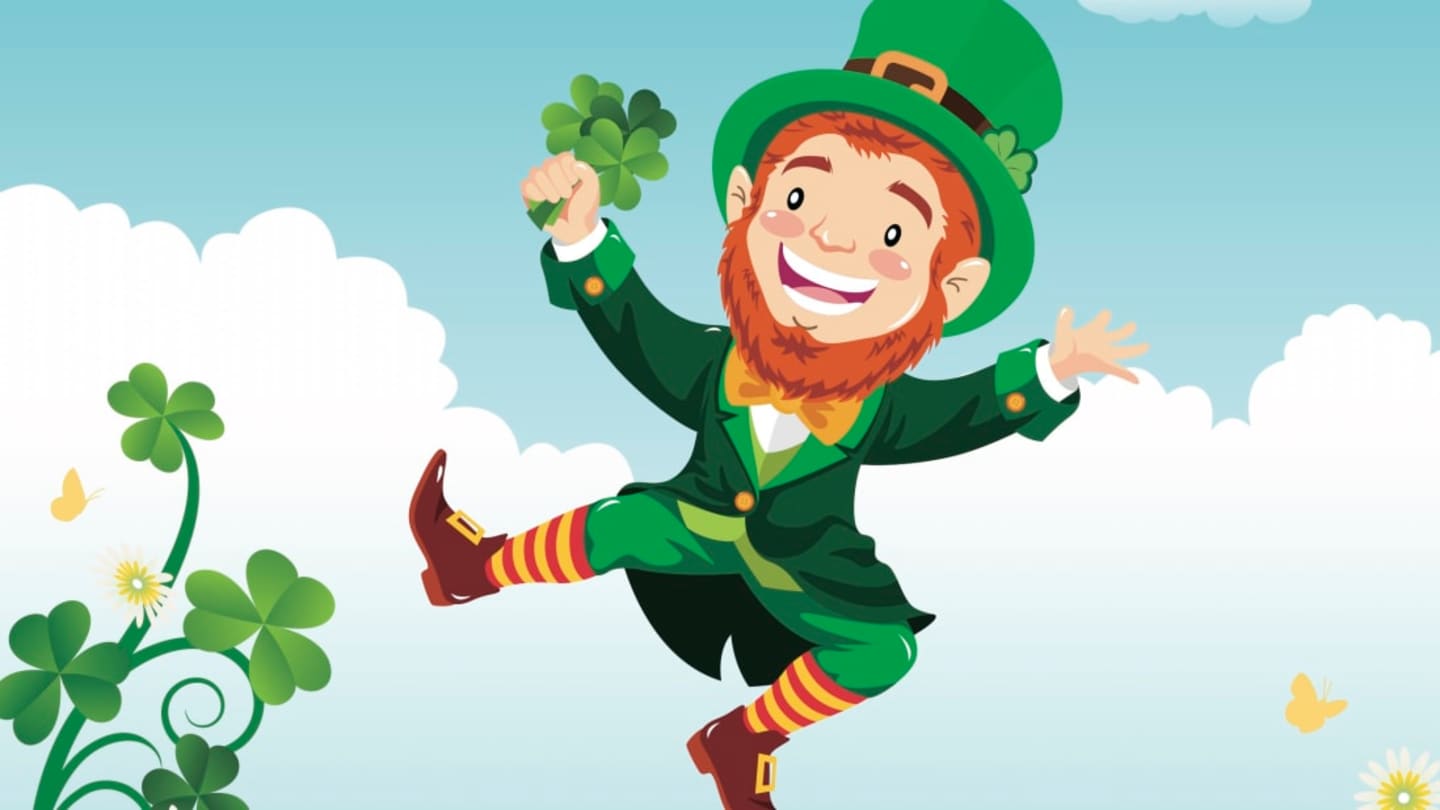
If you’re picturing a leprechaun, you’re probably imagining a small man, often no taller than a child, wearing a classic green coat—a nod to Ireland’s rolling landscapes. You’ll often see a three-leaf clover (shamrock) tucked into his cap for luck. But the most important detail is the cobbler’s hammer, the essential tool for their real profession.
The Secret Job: Master Shoemakers
So, what is the real occupation of a leprechaun? They are, first and foremost, skilled shoemakers. In the same way that humans have trades, leprechauns are the artisans of the fairy realm, spending their hours crafting tiny, exquisite boots. Legend has it that a leprechaun’s craftsmanship is so perfect that his shoes never wear out.
But their skills don’t stop at footwear. Some folklore suggests they have an uncanny ability to control nature, such as healing plants or influencing the weather. Of course, this hard work is what allows them to accumulate their famous hidden treasures, which they hoard in enchanted caverns deep underground.
Leprechauns in Modern Culture
These creatures are so deeply ingrained in Irish culture that they’ve become synonymous with the Emerald Isle itself. From the streets of Dublin to the hills of County Cork, the spirit of the leprechaun is everywhere.
Their popularity has even crossed oceans, with festivities and “leprechaun colonies” appearing in cities as far as Portland, Oregon. In Ireland, traditions like the “Leprechaun Hunt” in Carlingford show that people still love the thrill of searching for these elusive creatures, blending community spirit with ancient myth.
Can You Actually Catch a Leprechaun?
The idea of capturing a leprechaun to steal his gold has inspired countless stories. Many tales describe elaborate traps and cunning schemes to ensnare these playful tricksters. The reward? A wish granted or a map to a hidden fortune.
However, in most stories, the leprechaun always wins. They are masters of illusion, capable of vanishing into thin air or tricking the hunter into looking the other way. Whether they are real or simply a product of human imagination, they represent the enduring magic of mystery in our lives.
Guardians of the Fairy Realm
Beyond the gold, leprechauns are often seen as figures of magical protection. Some believe they act as guardians, safeguarding the secrets of the fairy realm from those who would misuse them.
They are also known to be observant; a leprechaun is more likely to help someone who treats nature and other beings with kindness. A respectful gesture or a genuine appreciation for the magic of the land is often the only way to gain their favor. They remind us that even the smallest beings can possess the greatest wisdom—if you know how to find them.