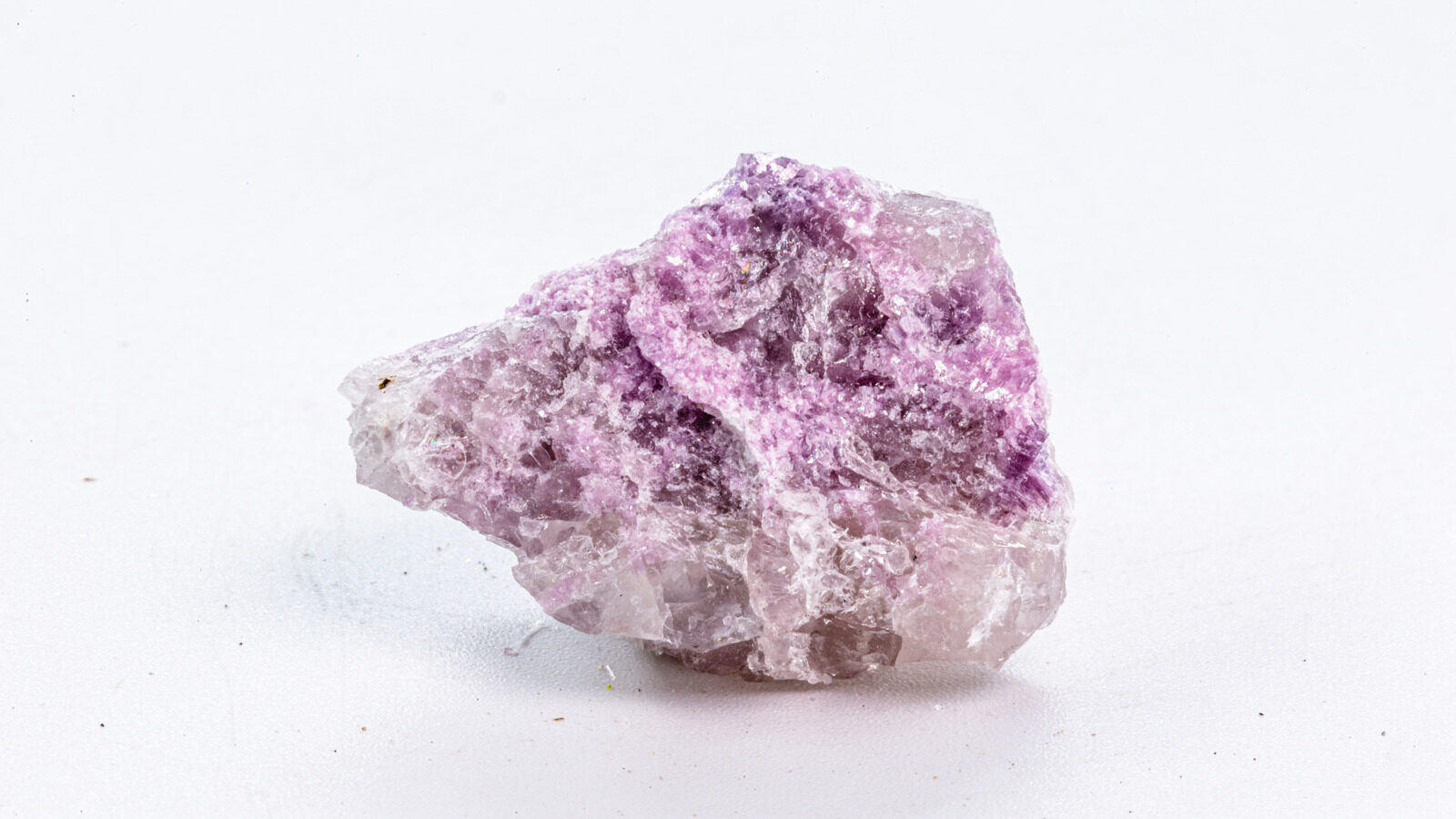
The surge in demand for lithium has transformed it into one of the most valuable metals in the world today. As we delve into the reasons behind this phenomenon, we uncover the intricacies of its supply chain, production methods, and the geopolitical factors at play. Understanding these elements is crucial for grasping the significance of lithium in our modern economy.
Understanding the Importance of Lithium in Today’s Economy
Lithium is no longer just a metal; it has become a cornerstone of modern technology. Its primary application lies in lithium-ion batteries, which power a myriad of devices, including smartphones, laptops, and electric vehicles (EVs). This surge in demand has led to an exponential increase in its market value.
In the past decade, the transition towards renewable energy and eco-friendly technologies has further fueled lithium’s desirability. As nations strive to reduce carbon emissions, the shift from fossil fuels to electric power sources has become imperative, driving the need for efficient energy storage solutions. Lithium-ion batteries, with their lightweight and high-capacity features, are at the forefront of this transition.
Despite an optimistic outlook on lithium’s availability, the reality is more complex. Although global reserves are considered relatively abundant, regional disparities exist, which can create supply chain challenges. As nations ramp up production to meet soaring demand, the implications for pricing and market dynamics become increasingly significant.
How a few countries influence lithium pricing
Although lithium occurs naturally in several countries, only a select few dominate its production. The concentration of lithium resources in specific regions leads to a situation where only a handful of companies control the majority of the global supply. This oligopoly has profound implications for pricing strategies.
- Top Producers: Countries like Australia, Chile, and China account for the bulk of lithium production, each with unique extraction methods and regulatory environments.
- Market Control: Large corporations operating in these regions hold significant sway over pricing, often coordinating strategies to stabilize or inflate market rates.
- Global Demand: The international appetite for lithium, particularly from countries investing heavily in electric vehicle production, creates a competitive environment where pricing can fluctuate dramatically.
The coordination among major lithium companies is pivotal. They analyze market trends, production costs, and consumer demand to set prices that maximize their profits while ensuring they remain competitive. This dynamic is reminiscent of other commodity markets, where supply chain factors and geopolitical considerations can lead to price volatility.
Factors affecting lithium supply and demand
The balance between lithium supply and demand is influenced by several interconnected factors:
- Production Capacity: The ability to scale up production quickly is limited by the time required for mining operations and the regulatory framework in place.
- Technological Advancements: Improvements in extraction technology can enhance production efficiency, potentially increasing supply.
- Environmental Regulations: Stricter regulations on mining practices can impact production volumes and, consequently, prices.
- Global Economic Conditions: Fluctuations in the global economy can alter consumer demand for lithium-powered products.
These factors collectively shape the market landscape, creating an environment where prices can rise sharply in response to increased demand or supply chain disruptions. For instance, political instability in a major lithium-producing country can lead to immediate price hikes due to fears of supply shortages.
The costs associated with lithium extraction
The extraction of lithium is not a straightforward process, and the costs involved can significantly impact its market price. There are two predominant methods of lithium extraction: salt-flat brines and hard rock mining. Each method presents its own set of challenges and costs.
- Brine Extraction: This method involves pumping lithium-rich brine from underground aquifers into evaporation ponds, where the water evaporates, leaving behind concentrated lithium salts. This process is less expensive due to lower operational costs.
- Hard Rock Mining: Involves extracting lithium from mineral deposits known as pegmatites. This method is more labor-intensive and requires significant investment in equipment and infrastructure.
- Cost Comparison: Brine extraction costs are estimated to range from $4,000 to $6,000 per metric ton, while hard rock mining can be upwards of $8,000 per metric ton.
These differences in production costs can create disparities in pricing, especially when market demand is high. Additionally, the environmental impact of these extraction processes often goes unaccounted for in the market price of lithium, leading to unsustainable practices.
Challenges in lithium recycling
As the demand for lithium batteries continues to surge, the issue of recycling has become increasingly important. Current recycling methods are not sufficiently developed to meet the growing need for recovered lithium. This presents both an opportunity and a challenge for the industry.
- Recovery Rates: The current recovery rates for lithium from used batteries are low, often below 10%.
- Technological Innovation: Advances in recycling technologies could drastically improve recovery rates and reduce the need for new lithium extraction.
- Environmental Impact: Effective recycling can mitigate some of the negative environmental effects associated with lithium extraction.
Improving lithium recycling processes is essential not only for sustainability but also for stabilizing prices in the long run. As technological advancements occur, the potential to utilize recycled lithium may help balance supply and demand, reducing reliance on newly mined resources.
Future trends in the lithium market
As we look ahead, several trends are likely to shape the lithium market:
- Increased Demand: The shift toward electric vehicles and renewable energy solutions will continue to drive demand for lithium batteries.
- Market Consolidation: As companies seek competitive advantages, mergers and acquisitions may become more common among lithium producers.
- Regulatory Changes: New environmental policies and regulations may impact production methods and costs.
Understanding these trends is crucial for investors, policymakers, and consumers alike, as the dynamics of the lithium market will continue to evolve in response to global economic and environmental challenges.