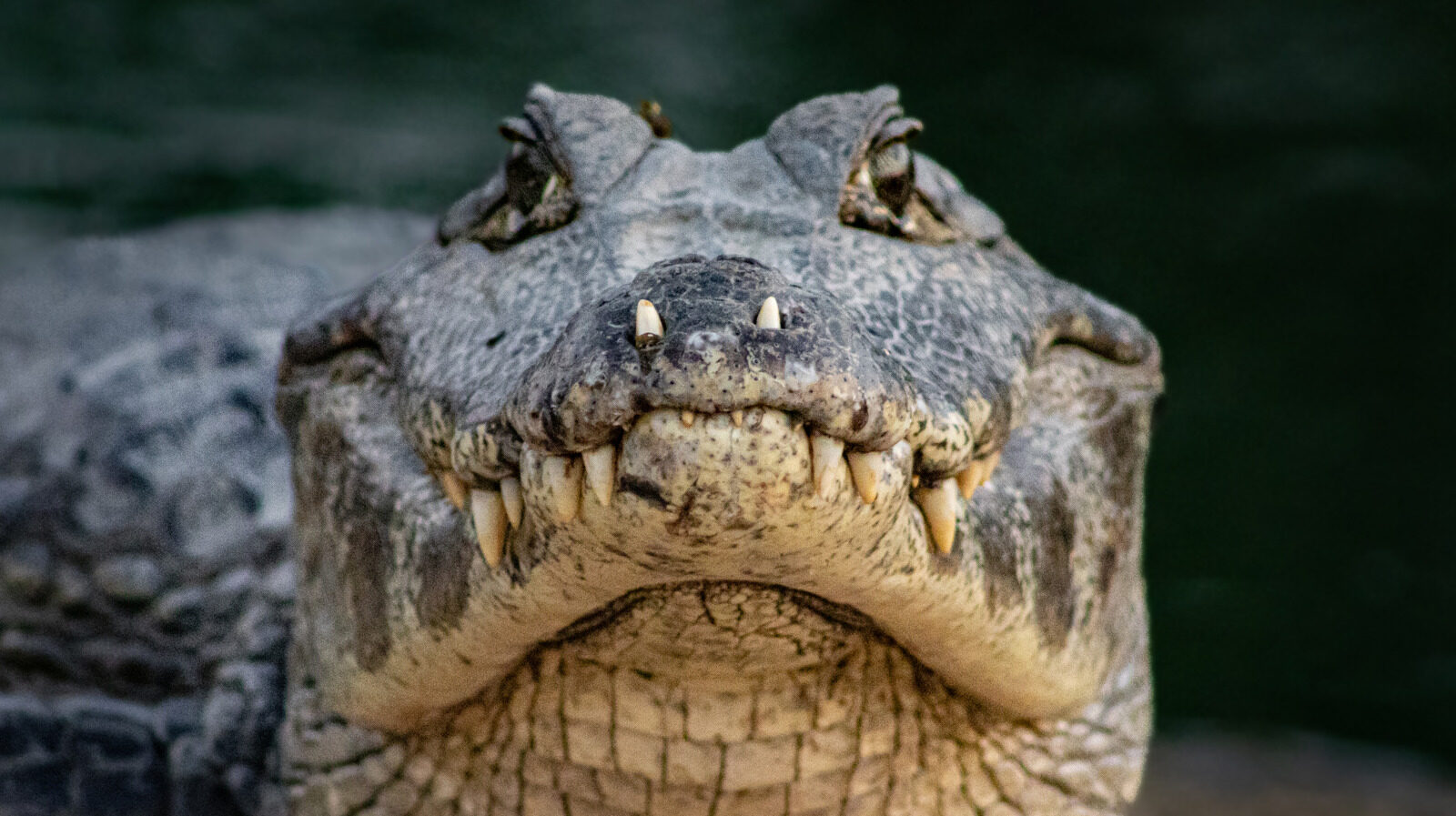
Have you ever wondered if alligators and crocodiles, two of nature’s most fascinating reptiles, could produce offspring together? Their similarities might suggest a possibility, but the reality is rooted in a complex interplay of genetics, behavior, and biology. Let’s dive deeper into this intriguing subject.
Why alligators and crocodiles are genetically distinct species
While alligators and crocodiles may appear similar at first glance, they are, in fact, distinct species with a rich evolutionary history. Both belong to the larger group known as crocodilians, which also includes caimans and gharials, but their last common ancestor dates back approximately 80 million years to the Late Cretaceous period.
This long separation has led to significant genetic divergence, making the two reptiles incompatible for breeding. Although they share about 93% of their genetic material, this percentage alone doesn’t provide enough similarity for successful reproduction. To put this into perspective, humans share a similar percentage of their DNA with chimpanzees, yet hybrids between these species do not exist.
The genetic differences are not merely academic; they manifest in various physical and behavioral traits that influence mating behaviors and reproductive capabilities. Alligators and crocodiles belong to different genera: Crocodylus for crocodiles and Alligatoridae for alligators. This classification underscores fundamental biological differences that are crucial for reproduction.
Understanding the mating behaviors of alligators and crocodiles
The mating rituals of alligators and crocodiles are fascinating in their own right. Both species utilize vocalizations to attract mates. Alligators perform a unique ritual that resembles a wrestling match, culminating in a brief copulation that lasts only about 30 seconds. Similarly, male crocodiles engage in head-slapping and bellowing to gain the attention of females.
Despite these comparable courtship behaviors, the actual mechanics of mating differ significantly between the two species. Here are some key aspects of their mating rituals:
- Vocalizations: Both species use sounds to communicate their readiness to mate.
- Physical displays: Male alligators wrestle with one another to establish dominance.
- Habitat preferences: Alligators prefer freshwater habitats, while crocodiles can thrive in both fresh and saltwater environments.
These factors contribute to the challenges of interbreeding, as their mating timings and locations rarely overlap.
Genetic and chromosomal barriers to mating
One of the most significant barriers to breeding between alligators and crocodiles is their chromosome count. The number of chromosomes in reptiles is crucial for successful reproduction. For mating to occur, each parent must contribute an even number of chromosomes, allowing them to pair correctly during fertilization.
In the case of alligators and crocodiles, their chromosome numbers differ significantly, which complicates the mating process. Here are some reasons why these genetic differences pose significant challenges:
- Odd numbers of chromosomes: Mismatched or odd-numbered chromosomes can lead to problems with cell division.
- Birth defects: If fertilization were to occur, mismatched chromosomes could result in unviable embryos or significant birth defects.
- Behavioral incompatibility: Even if mating were possible, behavioral differences would further complicate successful reproduction.
These genetic and chromosomal barriers make breeding between the two species virtually impossible.
Environmental and habitat considerations
Beyond genetics and behavior, environmental factors also play a crucial role in the compatibility of alligators and crocodiles. Their habitats are typically quite different, limiting their opportunities for interaction. For instance, alligators are predominantly found in freshwater environments like swamps and lakes, while crocodiles can adapt to both fresh and saltwater ecosystems.
This divergence in habitat preferences means that in most regions, the two species rarely coexist. In the United States, there is only one area where both can be found together: the southern tip of Florida. Even in this rare instance, their chances of mating are low due to behavioral and environmental differences.
The likelihood of a hybrid surviving in either species’ habitat is also questionable, given the distinct environmental requirements each species has. This further solidifies the improbability of producing viable offspring.
The myth of the ‘crocogator’ and anecdotal reports
Over the years, there have been anecdotal reports of hybrids dubbed “crocogators.” However, these claims remain unverified by the scientific community. Without any officially documented cases, the idea of a hybrid remains a myth.
The fascination with the potential for hybridization often stems from the success of interbreeding in other species, such as lions and tigers, which can produce ligers and tigons. However, the genetic compatibility between those big cats is much greater than that between alligators and crocodiles.
Ultimately, while alligators and crocodiles share a fascinating evolutionary link and certain physical traits, their differences in genetics, behavior, and habitat make the emergence of hybrids implausible.