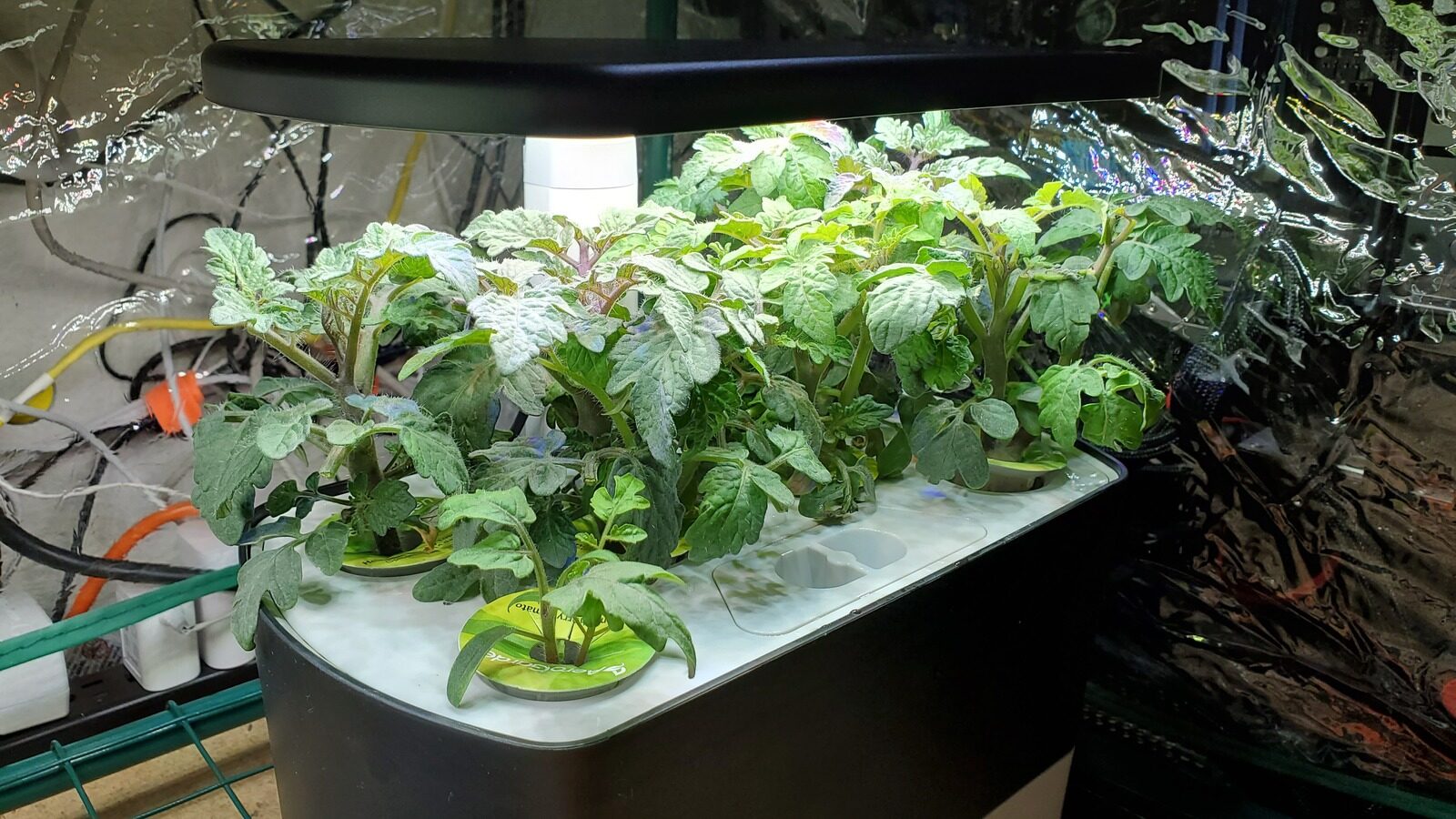
Imagine a world where growing food is not just confined to the Earth, but expands to the vastness of space. This visionary concept is no longer just a dream; it is becoming a tangible reality aboard the International Space Station (ISS). As astronauts cultivate a variety of plants in the unique environment of space, they are not only feeding themselves but also unlocking secrets that could revolutionize agriculture on our home planet.
Understanding how plants thrive in such a challenging setting offers insights into sustainability, nutrition, and the long-term viability of human life off Earth. This exploration is multifaceted, involving scientific inquiries into plant biology, engineering solutions for cultivation, and psychological benefits for astronauts. Let’s delve deeper into the remarkable journey of growing plants in space and uncover why it matters for humanity.
Growing plants in space: the challenges and innovations
On Earth, the mechanics of growing plants seem straightforward: seeds, soil, water, and sunlight are all you need. However, in the microgravity environment of space, each of these elements presents unique challenges:
- Microgravity effects: In the absence of gravity, water does not flow as it does on Earth; it forms floating droplets that can cling to surfaces. This makes it crucial to manage water carefully to avoid both overwatering and underwatering.
- Soil alternatives: Traditional soil is impractical in space. Hydroponic systems and “plant pillows” filled with nutrient-rich substrates help anchor roots while providing necessary moisture and nutrients.
- Artificial lighting: Plants on Earth benefit from a consistent day-night cycle. In space, plants experience rapid cycles of light, necessitating the use of LED arrays designed to emit specific wavelengths of light that mimic natural sunlight. This results in a characteristic purple hue in plant growth chambers.
- Advanced technology: Facilities like the Vegetable Production System (Veggie) and the Advanced Plant Habitat (APH) utilize a range of sensors and automation to monitor and optimize plant growth, allowing scientists to gather data remotely.
These innovative systems not only allow astronauts to grow food but also facilitate scientific research that enhances our understanding of plant biology under unique conditions. This knowledge is invaluable for both space exploration and terrestrial agriculture.
Why growing plants in space matters
The implications of cultivating plants in space go far beyond the novelty of space-grown produce. This endeavor touches on several critical areas:
- Nutrition: Fresh produce can supplement astronauts’ diets, providing essential vitamins and minerals often lacking in packaged foods. This is important for maintaining health during long missions.
- Psychological well-being: Tending to plants can have a soothing effect, reducing stress and improving morale among astronauts living in confined spaces for extended periods.
- Reducing dependence on Earth: Growing food in space allows missions to become more self-sufficient, decreasing the logistical burden of transporting supplies from Earth.
- Environmental benefits: Studying how plants adapt to extreme conditions can yield insights into sustainable farming practices on Earth, particularly in regions affected by climate change.
By exploring these dimensions, space gardening not only supports astronauts’ immediate needs but also contributes to broader agricultural advancements, both in outer space and on our planet.
The science of plant growth in microgravity
Understanding how plants adjust to microgravity is crucial to the success of space gardening. Key factors that influence plant growth in space include:
- Tropisms: Plants rely on gravity to orient themselves. With no gravity, researchers have observed changes in the way plants grow, specifically regarding light and moisture.
- Gene expression: Studies indicate that microgravity affects the expression of certain genes in plants, altering how they develop and respond to their environment.
- Water dynamics: The behavior of water in microgravity necessitates innovative irrigation systems that can deliver moisture directly to plant roots without the risk of flooding.
Research in this area not only aids in cultivating plants in space but may also inform agricultural practices on Earth, particularly in challenging environments where resources are scarce.
Successful experiments in space gardening
Numerous experiments aboard the ISS have demonstrated the feasibility of growing a variety of crops. Some notable successes include:
- Lettuce: Astronauts have successfully grown and consumed red romaine lettuce, providing valuable data on plant growth and human consumption in space.
- Radishes: They grow quickly and provide insights into the effects of microgravity on plant biology.
- Chili peppers: These plants offer not only nutrition but also a psychological boost, as the familiarity of growing a favorite food can enhance morale.
Each of these crops has contributed to a growing body of knowledge that can support longer missions and potentially sustain human life on other planets.
Collaborative efforts in space agriculture
Growing plants in space is not solely a NASA initiative; international collaboration is crucial. Space agencies around the world, such as the European Space Agency (ESA) and Japan’s JAXA, are also conducting research on plant cultivation for long-duration missions. Their efforts include:
- Joint research projects: Collaborating on experiments to share knowledge and findings that can advance space agriculture.
- Shared technology: Developing technology that can be utilized in various space missions, enhancing efficiency and effectiveness.
- Cross-disciplinary studies: Engaging biologists, engineers, and psychologists to address the multifaceted challenges of growing plants in space.
This collaborative spirit not only enriches the research but also lays the foundation for international cooperation in future space colonization efforts.
The broader implications of space gardening
As humanity ventures into deeper space exploration, the ability to grow plants in environments beyond Earth will become increasingly vital. The potential applications of this knowledge are vast and can influence multiple domains:
- Terraforming: Understanding how to cultivate plants in space may provide critical insights for terraforming other planets, making them more hospitable for human life.
- Sustainability on Earth: Techniques developed for space can be adapted to improve agricultural practices in arid and inhospitable regions on our planet.
- Long-term missions: Successful plant growth will be essential for any ambitious plans involving human settlements on Mars or other celestial bodies.
In summary, the pursuit of growing plants in space is a significant scientific endeavor that serves multiple functions, from enhancing astronaut health to advancing agricultural practices on Earth. As we continue to explore the cosmos, the lessons learned from this research will be instrumental in shaping the future of human life beyond our home planet.