
When we think about space exploration, our minds often drift to the wonders of the cosmos, the technology that makes it possible, or the heroic astronauts who venture into the unknown. However, one critical aspect that is frequently overlooked is the food that sustains these brave individuals during their missions. Surprisingly, not all foods are suitable for space travel, and one beloved carbohydrate is notably absent from the menu: bread. Why is bread banned from space? Let’s dive deeper into the fascinating world of space cuisine.
Why certain foods are unsuitable for space travel
Space missions require meticulous planning, and every detail, including food choices, is carefully considered. The primary reason certain foods are excluded from the menu is their potential impact on the spacecraft’s environment and the health of the astronauts. Foods that generate crumbs or produce gases can pose significant risks in microgravity conditions.
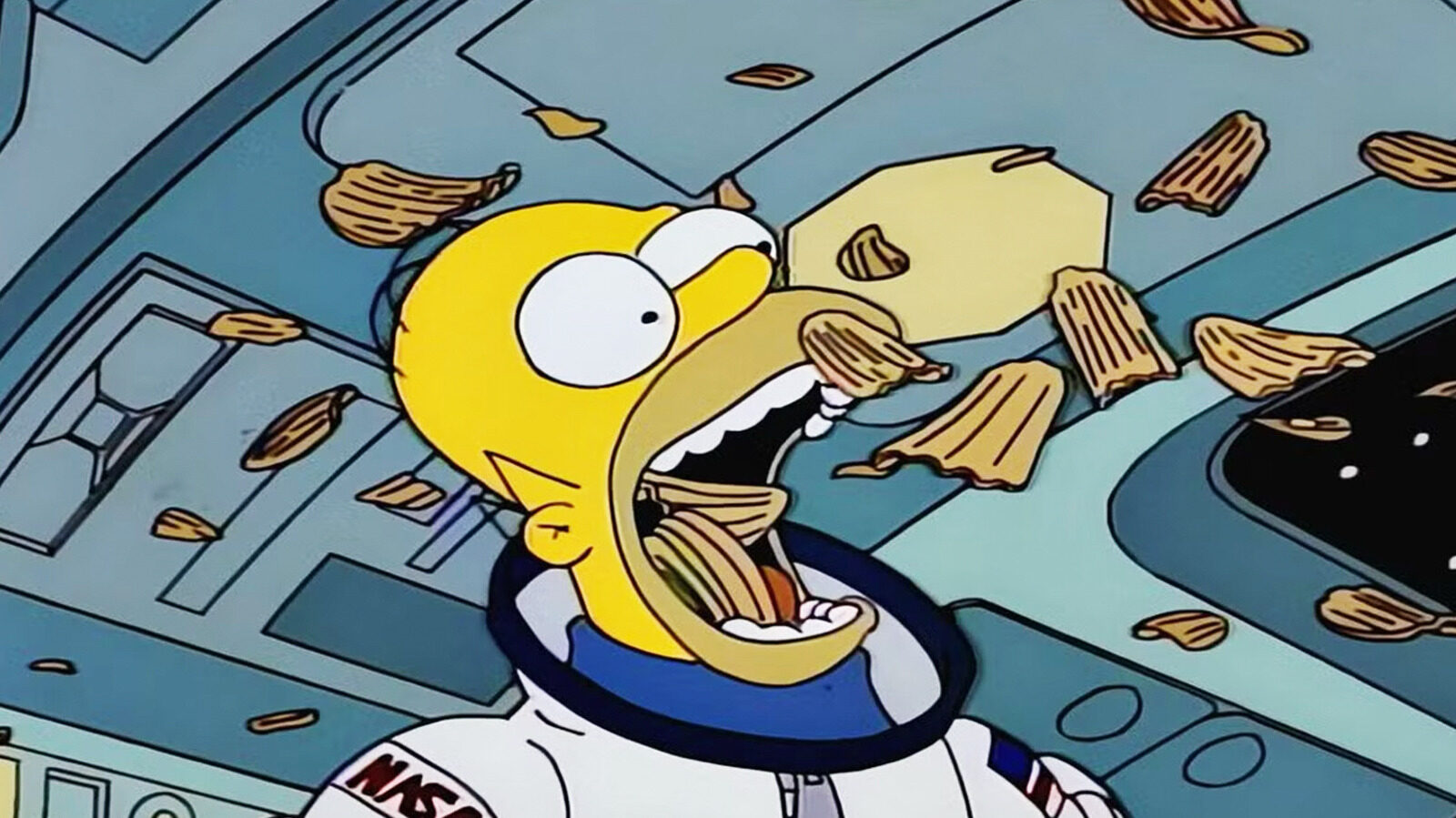
In space, crumbs can float freely and interfere with sensitive equipment, potentially leading to malfunctions or accidents. Moreover, any food that can create a mess or generate fumes can be a hazard in the enclosed environment of a spacecraft. Therefore, astronauts must consume foods that are not only nutritious but also practical for the unique challenges of space.
Bread is surprisingly dangerous in space
While bread is a staple food for many on Earth, it presents unique challenges in the vacuum of space. One of the key issues with bread is its tendency to crumble. These crumbs can float around the spacecraft, posing a hazard to both equipment and astronauts. NASA has reported that these floating particles can potentially obstruct instruments or even get into the astronauts’ eyes, creating a safety hazard.
To address this problem, astronauts were initially forced to eliminate bread from their diets. However, a creative solution emerged in the form of tortillas. In 1985, astronaut Rodolfo Neri Vela suggested tortillas as a substitute for bread, which do not produce crumbs when torn. This innovative idea helped pave the way for a new era of space cuisine, allowing astronauts to enjoy sandwiches and wraps without the associated risks of bread.
Alternative foods that astronauts can enjoy
While the absence of bread may seem limiting, astronauts have access to a wide variety of foods that are both nutritious and safe to consume in space. Some of the alternatives include:
- Tortillas: Used as a versatile base for wraps and sandwiches.
- Freeze-dried meals: Lightweight and easily reconstituted with water, providing a range of flavors.
- Snacks in pouches: Items like nuts, trail mix, and granola bars that are easy to eat and do not create crumbs.
- Thermostabilized foods: Foods that are heat-processed to remain safe and nutritious over time.
- NASA’s space pizza: A fun option that allows astronauts to create their own pizzas with toppings.
These alternatives not only ensure the safety of the spacecraft but also help maintain the morale of astronauts during long missions. Having a variety of flavor options can make a significant difference in their psychological well-being while in isolation.
Bread is just one of many foods banned in space
Though bread is notably absent from the astronaut diet, it is by no means the only food that has been banned from space missions. Other items have been excluded for various reasons, including:
- Alcohol: Completely prohibited on the International Space Station (ISS) due to its potential health risks and effects on performance.
- Carbonated beverages: Banned because the dissolved carbon dioxide can cause discomfort and gas buildup in microgravity.
- Salt and pepper: These seasonings can float away as particles, causing potential hazards in the spacecraft.
One notable incident involved astronaut John Young, who famously smuggled a corned-beef sandwich aboard the Gemini 3 mission in 1965. This act led to a minor controversy, as the sandwich’s crumbs created concern among officials regarding their potential to clog instruments. While this incident may seem trivial, it highlighted the importance of maintaining a clean and safe environment in space.
The future of space cuisine
As space agencies continue to explore the cosmos, the quest for better space food is ongoing. In recent years, there have been efforts to develop new types of bread that are suitable for space. For instance, a German company has been experimenting with a “crumb-free” bread that could potentially be safe for astronauts to consume. This innovation demonstrates how advancements in food technology can directly impact space missions.
Moreover, with the rise of private space travel and missions to Mars on the horizon, the need for diverse and appealing food options will only grow. As scientists and chefs collaborate to create meals that are not only safe but also enjoyable, we may soon see a revolution in space cuisine that could include, at last, a form of bread suitable for life beyond Earth.
Conclusion
While the absence of bread in space may seem like a minor detail, it reflects the complexities of sustaining human life in a challenging environment. As we continue to push the boundaries of space exploration, understanding the intricacies of space food will play a crucial role in the success of future missions. The ingenuity shown in developing alternatives like tortillas offers hope that one day, astronauts might once again enjoy the simple pleasure of bread in the great expanse of space.