
The Sopranos, a show that captivated audiences with its gritty portrayal of mob life, wasn’t just pure fiction. While the story of Tony Soprano and his crew is undeniably entertaining, it draws heavily from the real-life world of organized crime. The series creator, David Chase, himself admitted to basing many elements of the show on actual events and figures, weaving a compelling narrative that blurs the lines between reality and drama.
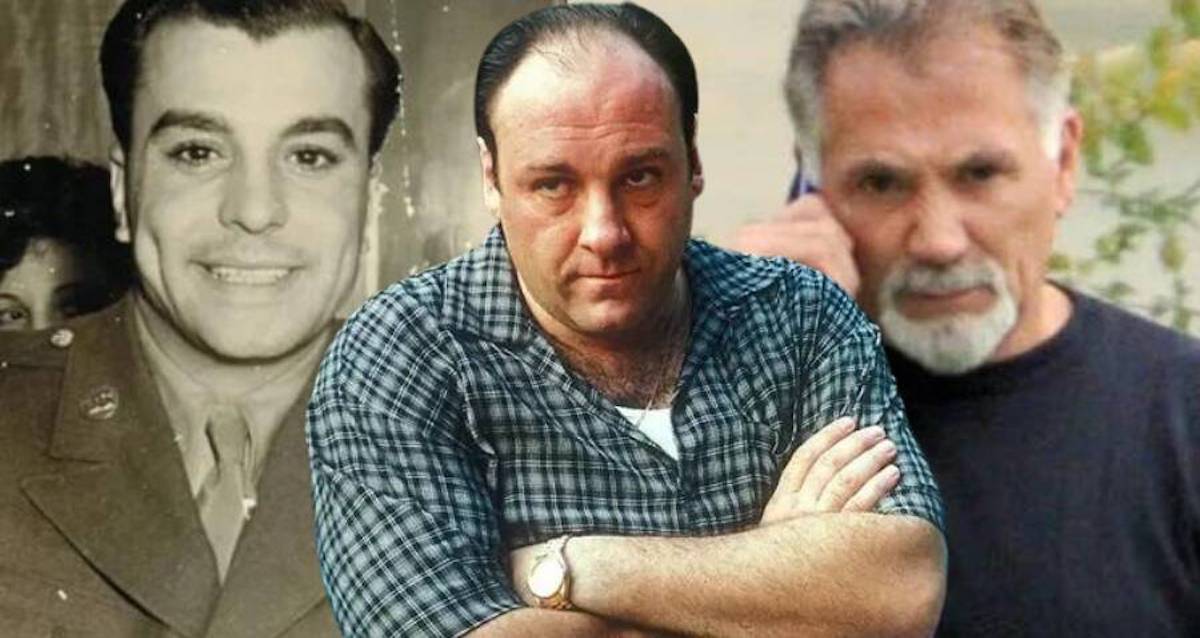
One key inspiration for The Sopranos was Vincent Palermo, also known as Vinny Ocean. Palermo headed the DeCavalcante crime family in New Jersey, known for their involvement in various criminal activities, much like Tony Soprano’s DiMeo crime family. Both Palermo and Tony shared similarities in their leadership styles, including a ruthless streak and a tendency towards violence when necessary.
The show also drew inspiration from the Boiardo crime family, particularly Anthony “Tony Boy” Boiardo, who led the family. David Chase acknowledged that while 90% of The Sopranos was fictional, it was largely patterned after them. This familial connection adds another layer to the show’s realism, highlighting how real-life mob families operated and interacted.
Real Mobsters, Fictional Inspiration
Beyond the leadership similarities, The Sopranos draws inspiration from specific events and figures within these real-life families. For instance, John DAmato, a DeCavalcante acting boss, met a tragic end due to his relationships with men, mirroring Vito Spatafore’s storyline in the show. This chilling parallel showcases how Chase didn’t shy away from depicting the harsh realities of organized crime, even exploring the complexities of personal lives within such a dangerous world.
The show’s creator, David Chase, meticulously crafted characters and storylines that resonated with viewers, capturing both the glamour and the brutality of mob life. He achieved this by researching real-life mobsters and families, using their stories as a foundation for his fictional narrative. This approach added an element of authenticity to The Sopranos, making it more than just entertainment – it became a captivating exploration of the human condition within the confines of organized crime.
This intricate weaving of fact and fiction elevates The Sopranos beyond a simple gangster drama. It delves into complex themes of family, loyalty, betrayal, and the moral gray areas that often define these worlds. By drawing inspiration from real-life mobsters like Vincent Palermo, Chase created a compelling story that simultaneously entertains and provokes thought.
Vincent Palermo: Vinny Ocean And The DeCavalcante Family
Vincent Palermo, better known as Vinny Ocean, was a prominent figure in the DeCavalcante crime family, an organization based in New Jersey that operated for decades. His leadership style and alleged involvement in various criminal activities closely mirrored those depicted in The Sopranos. Like Tony Soprano, Palermo was known to be ruthless and quick to use violence when necessary, solidifying his control over the family’s ranks.
Palermo’s reign at the helm of the DeCavalcantes wasn’t without its challenges. He faced internal power struggles and scrutiny from law enforcement agencies, much like the fictional Tony Soprano navigated a treacherous world of loyalty tests and FBI investigations. The real-life Palermo was eventually convicted on racketeering charges in 1996, highlighting the inherent dangers and consequences associated with a life of organized crime.
The parallels between Palermo’s story and Tony Soprano’s character arc are striking. Both men were powerful figures within their respective families, facing internal conflicts and external threats while grappling with personal demons. This connection adds another layer to The Sopranos’ authenticity, demonstrating how real-life mobsters often mirrored the fictional characters that captured our imaginations.
Parallels Between Tony Soprano and real-life Gangsters
The parallels between Tony Soprano and real-life gangsters go beyond mere surface similarities. Both figures grappled with the pressures of leadership, balancing their criminal activities with personal lives often plagued by turmoil. Tony’s anxieties and therapy sessions resonated with viewers because they mirrored the emotional struggles faced by many real-life mobsters caught between a life of crime and the desire for normalcy.
Considered one of the most complex characters in television history, Tony Soprano exhibited both ruthless cunning and surprising vulnerability. This duality is reflected in the lives of many real-life gangsters, who often had to compartmentalize their violent actions from their personal relationships. They craved connection and loyalty, yet operated within a world where betrayal was always a possibility.
The Sopranos ultimately reminds us that beneath the facade of power and wealth, organized crime is built on human relationships, flawed individuals seeking acceptance and control in a chaotic world. It explores the cost of such choices, exposing the darkness lurking beneath the surface of seemingly ordinary lives.
The Boiardo Crime Family: A Blueprint for “The Sopranos”
The Boiardo crime family, based in New Jersey, provided a rich tapestry of real-life inspiration for The Sopranos’ creators. David Chase himself acknowledged that while 90% of the show was fictional, it was heavily patterned after this particular family. Their history, internal dynamics, and interactions with law enforcement mirrored many aspects depicted in the series, adding an undeniable layer of realism to Tony Soprano’s world.
Anthony “Tony Boy” Boiardo, son of Richie “The Boot” Boiardo, led the Boiardos and reportedly shared similarities with Tony Soprano’s anxieties and panic attacks. This connection highlights how Chase meticulously researched real-life mobsters, finding inspiration in their personal struggles as well as their criminal activities.
By drawing upon the Boiardo family’s story, Chase created a world that felt both familiar and captivating. The intricate web of alliances, betrayals, and power struggles within this fictionalized version of organized crime resonated with audiences because it drew upon real-life experiences and dynamics, blurring the lines between fiction and reality.
Beyond Fact and Fiction
While The Sopranos undeniably drew inspiration from real-life gangsters like Vincent Palermo and the Boiardo crime family, it’s crucial to remember that the show ultimately transcends its factual roots. It becomes a unique fictional creation, exploring universal themes of power, loyalty, family, and the human condition within a captivatingly crafted world.
Chase expertly blends fact with fiction, creating compelling characters and storylines that resonate with audiences long after the final episode airs. The Sopranos’ enduring legacy lies not only in its accurate portrayal of organized crime but also in its ability to delve into the complex emotions and motivations driving these characters. It reminds us that even within a world of violence and deceit, human complexities remain at the core.
Ultimately, The Sopranos invites viewers to confront the blurred lines between reality and fiction, questioning how we perceive truth and the impact it has on our understanding of the world around us. It serves as a powerful reminder that beneath the surface of every story, whether fictional or factual, lies a complex tapestry of human experience waiting to be explored.