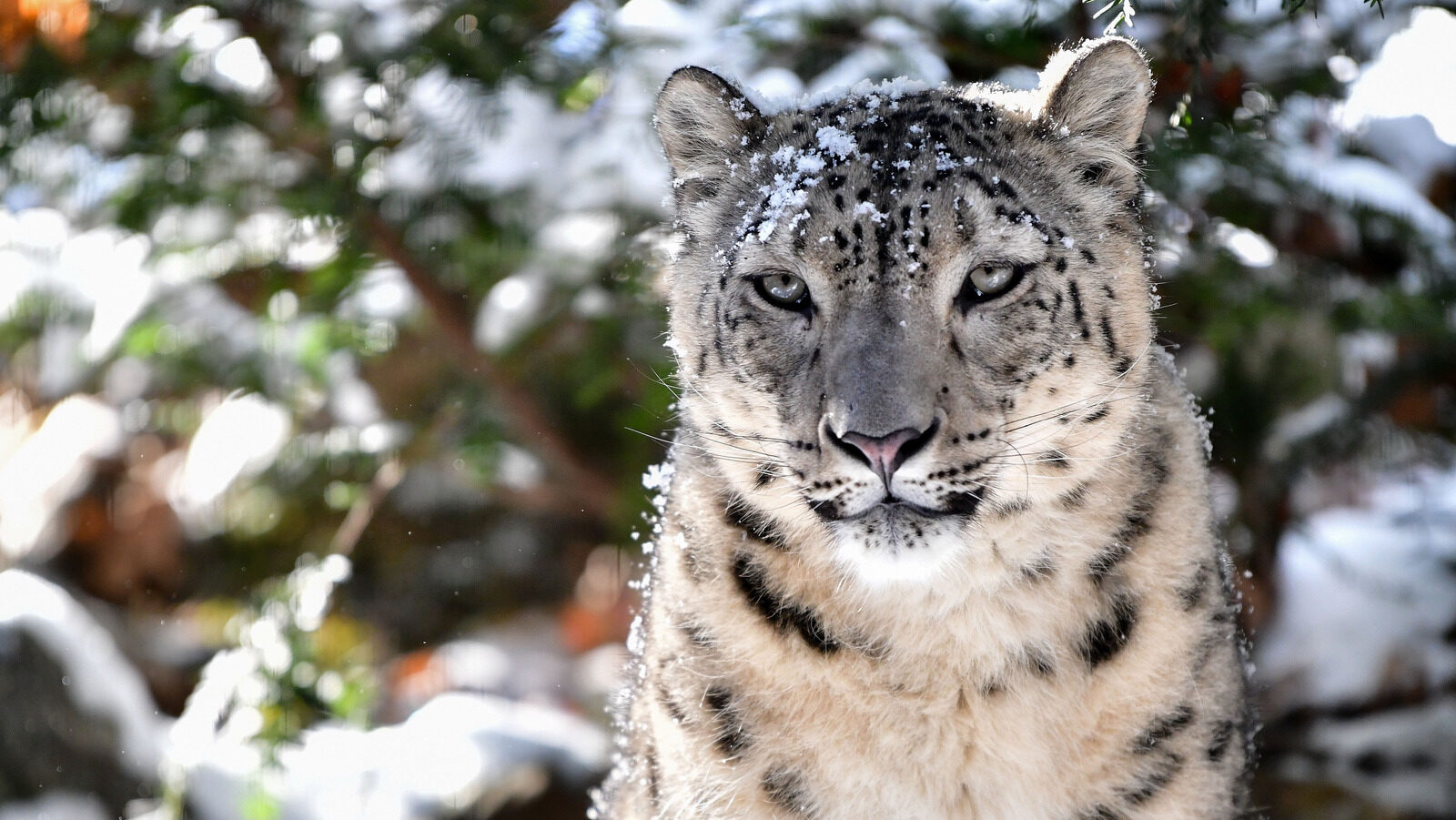

The snow leopard, an enigmatic creature of the high mountains, captures the imagination with its beauty and elusive nature. As one of the least dangerous big cats to humans, this remarkable feline has adapted to some of the harshest environments on Earth. Understanding its survival strategies and the threats it faces is crucial for preserving its existence.
Snow leopards: remarkable survivors in extreme environments
Snow leopards are true masters of survival, perfectly adapted to live in the challenging conditions of the high mountains. Found in alpine and subalpine zones across several Asian countries—including China, Nepal, India, and Mongolia—these big cats thrive at elevations ranging from 9,800 to 14,000 feet.
At these altitudes, the environment is incredibly harsh, with thin air, frigid temperatures, and limited prey options. Despite these challenges, snow leopards utilize a variety of unique adaptations to thrive:
- Wide, fur-covered paws: These act as natural snowshoes, allowing the cats to traverse snowy terrain silently.
- Thick fur coats: Their pale grey and yellowish fur provides excellent camouflage against the rocky landscapes.
- Solitary nature: Snow leopards are primarily solitary animals, which reduces competition for resources.
- Enlarged nasal cavities: These help the leopards oxygenate their blood more efficiently in high-altitude environments.
- Amazing agility: They can leap up to 50 feet, allowing them to ambush prey with surprising skill.
These adaptations not only enable snow leopards to survive but also to thrive in a landscape where few other species can. Their ability to hunt and evade detection has earned them the nickname “ghost of the mountain,” a fitting title for such a stealthy predator.
Understanding the snow leopard’s behavior and diet
Snow leopards have developed a diverse diet that primarily consists of mountain-dwelling prey. Their adaptability allows them to target various animals, including:
- Ibex: Agile mountain goats that are a primary food source.
- Blue sheep: Another significant prey species found in their habitat.
- Marmots: Small burrowing animals that provide essential nourishment.
Snow leopards often hunt by stalking their prey and using the terrain to their advantage, leaping from rocky outcrops to catch their unsuspecting targets by surprise. This hunting strategy is not only effective but also energy-efficient, which is vital in an environment where food can be scarce.
Interestingly, despite their formidable hunting skills, snow leopards are not a threat to humans. There have been zero confirmed fatalities resulting from snow leopard attacks on humans. When encounters occur, these cats typically retreat rather than stand their ground, showcasing their non-aggressive nature.
Threats to snow leopards and their habitat
While snow leopards have adapted remarkably to their environment, they face numerous threats that jeopardize their survival. As of 2016, they were classified as “Vulnerable” on the IUCN Red List of Threatened Species, with an estimated population ranging from 2,700 to 3,400 individuals.
The primary threats to their existence include:
- Human-wildlife conflict: As human populations encroach on snow leopard territories, conflicts arise, particularly when leopards prey on livestock.
- Habitat loss: Deforestation, agricultural expansion, and infrastructure development reduce the available habitat for these cats.
- Climate change: Warming temperatures affect alpine ecosystems, pushing treelines higher and shrinking the snow leopards’ habitat.
- Illegal trade: Snow leopards are targeted for their beautiful fur and other body parts used in traditional medicine.
These threats are interconnected, creating a challenging situation for the survival of snow leopards. As their habitats shrink and overlap with human activities, their chances of thriving diminish.
Conservation efforts for the snow leopard
Recognizing the urgent need to protect snow leopards, various organizations and governments are working tirelessly to ensure their survival. Initiatives focus on a multifaceted approach that includes:
- Community engagement: Local communities are educated about the ecological importance of snow leopards and how to coexist with them.
- Livestock protection: Installing leopard-proof livestock pens helps reduce retaliatory killings and protects farmers’ livelihoods.
- Anti-poaching measures: Collaborations with government agencies aim to strengthen laws against poaching and the illegal wildlife trade.
- Habitat restoration: Efforts to restore and protect habitats are crucial for ensuring snow leopards have the space they need to thrive.
Organizations like the World Wildlife Fund (WWF) play a pivotal role in these conservation efforts, working alongside local communities and governments to implement sustainable practices that benefit both wildlife and people.
The unique relationship between snow leopards and their ecosystem
Snow leopards are not only vital to their immediate environment, but they also play a crucial role in the broader ecosystem. As apex predators, they help maintain the balance of prey populations, which in turn affects vegetation and the overall health of the ecosystem.
By controlling herbivore populations, snow leopards contribute to:
- Vegetation balance: Healthy herbivore populations prevent overgrazing, allowing diverse plant life to thrive.
- Soil health: A balanced ecosystem ensures healthier soil, contributing to overall biodiversity.
- Water quality: Improved vegetation leads to better water retention and quality in mountain streams and rivers.
This interconnected relationship emphasizes the importance of snow leopards beyond their immediate survival, highlighting their role in maintaining a healthy and balanced ecosystem.