
The automotive landscape is evolving at an unprecedented pace, with electric vehicles (EVs) gaining traction alongside traditional internal combustion engine (ICE) vehicles. While both types of vehicles share the common goal of transporting us from one point to another, their underlying technologies—especially their battery systems—are vastly different. Understanding these differences can empower consumers to make informed choices about their next vehicle purchase.
In this article, we will explore the essential distinctions between electric and regular car batteries, focusing on their chemistry, dimensions, and energy capacities. This knowledge is pivotal not only for consumers but also for those interested in the technological advancements driving the automotive industry.
Chemical composition: lead versus lithium
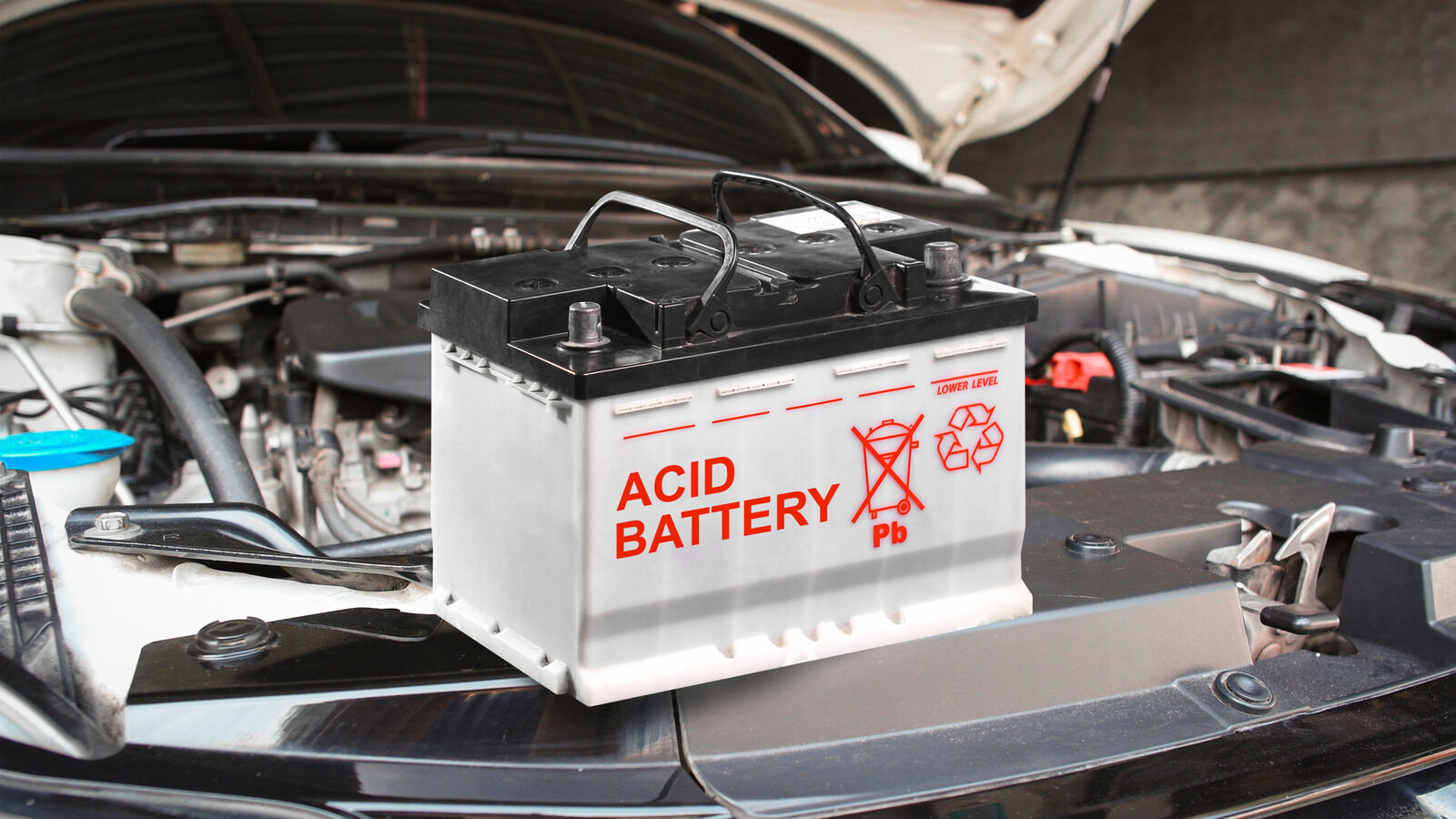
When evaluating the batteries used in cars, the most significant difference lies in their chemical makeup. Traditional lead-acid batteries have been in use for over a century, and their design remains relatively unchanged. These batteries are reliable and cost-effective, primarily composed of:
- Lead dioxide
- Lead sulfate
- Sulfuric acid
- Pure lead
In contrast, electric vehicle batteries utilize lithium-ion technology, which is more advanced and complex. Lithium-ion batteries are favored not only in EVs but also in consumer electronics like smartphones and laptops due to their lightweight and high energy capacity. Their composition includes:
- Lithium
- Manganese
- Cobalt
- Nickel
- Carbon compounds like steel and graphite
While lead-acid batteries are relatively straightforward and inexpensive to produce, lithium-ion batteries contain several rare materials, making their production costlier. This complexity is why many EV batteries are recycled to reclaim valuable materials.
Although lead is not considered a rare earth metal, its mining and recycling pose significant health and environmental risks. The recycling process for lead-acid batteries can release toxic substances, making it a double-edged sword in terms of sustainability.
Dimensional differences: toaster-sized versus mattress-sized
Another notable difference between EV and regular batteries is their size. Regular lead-acid batteries are small, typically fitting under the hood of a vehicle and weighing between 30 to 50 pounds. Their primary function is to power the vehicle’s electrical systems and ignition, and they are continuously recharged by the alternator while the engine is running.
In contrast, electric vehicle batteries are significantly larger and heavier, often weighing between 1,000 and 2,000 pounds. This size disparity is vital because:
- EV batteries must store enough energy to propel the entire vehicle for extended periods.
- They do not receive continuous recharging like lead-acid batteries.
For instance, the 40 kWh battery in a Nissan Leaf has dimensions of approximately 62 × 47 × 10.5 inches, which is nearly the size of a twin mattress. This design allows EV batteries to be placed low in the vehicle’s frame, contributing to better weight distribution and improved handling.
The size and placement of these batteries are crucial for both design and functional purposes. The significant weight of EV batteries requires a robust chassis and specific engineering to ensure safety and performance.
Energy capacity: moving a car versus turning on the radio
Energy capacity is another critical aspect where electric vehicle batteries and traditional car batteries differ significantly. EV batteries are designed to provide a substantial amount of energy, with capacities typically ranging from 75 kWh to over 200 kWh in larger models, such as electric trucks. This capacity translates to a driving range of approximately 200 miles on a single charge, depending on the vehicle.
In contrast, standard lead-acid batteries are much smaller in terms of energy storage, usually providing around 0.6 kWh, equivalent to about 48 amp hours at 12 volts. To put this into perspective:
- A fully charged 100 kWh EV battery stores enough energy to power over 160 lead-acid batteries.
- The energy density of lithium-ion batteries ranges from 150 to 250 Wh/kg, compared to just 30 to 40 Wh/kg for lead-acid batteries.
This higher energy density means that lithium-ion batteries are not only more efficient but also more space-efficient, allowing for greater mileage and better performance in electric vehicles.
Charging mechanisms: external sources versus engine-generated power
Understanding how these batteries are charged provides further insights into their differences. Electric vehicle batteries are charged from external sources, such as home chargers or public charging stations, whereas traditional car batteries are continuously recharged by the vehicle’s alternator. This alternator converts some of the engine’s mechanical energy into electrical energy.
Charging times also vary dramatically:
- EVs can take anywhere from 30 minutes to several hours to fully charge, depending on the charging station and the vehicle’s battery capacity.
- Lead-acid batteries are recharged while driving, providing a constant supply of power for the car’s electronics.
This fundamental difference in charging also affects the overall efficiency and usability of electric vehicles compared to traditional vehicles. The infrastructure for charging EVs is still developing, which poses challenges for widespread adoption.
Environmental impact: sustainability considerations
As the automotive industry transitions towards electric vehicles, the environmental implications of both battery types cannot be overlooked. While lead-acid batteries are recyclable, the process can be hazardous. On the other hand, lithium-ion batteries, while containing valuable materials, can lead to significant pollution if not disposed of properly.
To mitigate these environmental issues, recycling programs for both types of batteries are essential. Here are some important points regarding sustainability:
- Recycling rates for lead-acid batteries are high, with about 99% being recycled, yet the process poses health risks.
- EV battery recycling is still developing, but the recovery of lithium and other rare materials is becoming increasingly crucial.
- Investments in greener battery technologies and recycling methods are necessary to ensure environmental sustainability.
As consumers become more environmentally conscious, the choice between electric and traditional vehicles will also reflect their values regarding sustainability and resource management.