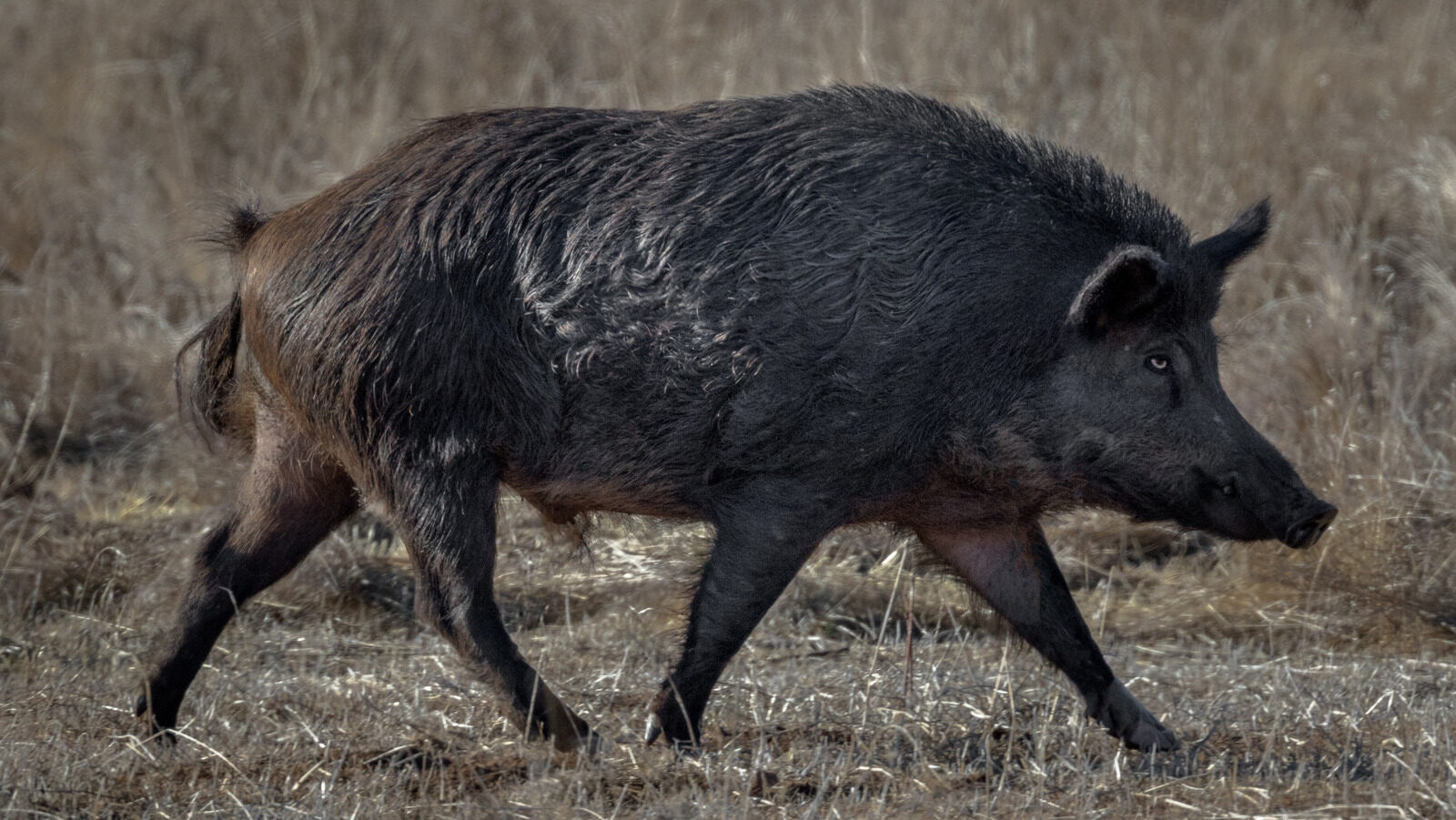

Imagine a scene where the vibrant landscape of California is suddenly juxtaposed with a bizarre twist—wild pigs with neon blue insides. This unusual phenomenon has sparked curiosity and concern among wildlife experts and hunters alike. What could cause such a startling transformation in these animals? Let’s delve into the unsettling reality behind this vivid occurrence.
The unsettling reality of blue pigs in California
California’s wild pigs have become a familiar sight, originating as an invasive species brought by European settlers. These adaptable creatures now roam across nearly every county in the state. While they present opportunities for hunting, they also pose significant challenges for farmers, leading to increased interactions with wildlife control specialists.
Dan Burton, a wildlife control expert from Monterey County, has dedicated himself to managing the wild pig population. After discovering a pig with strikingly blue internal organs, he recognized that something was amiss. This particular pig had been captured on a ranch that hired Burton for pest control. The shocking color prompted him to investigate further, leading to alarming revelations about the health risks posed by these animals.
The origins of the blue color
The blue coloration in the pigs is not a natural anomaly but a direct result of their diet. The pigs had consumed bait laced with a rodenticide known as diphacinone, a potent anticoagulant that leads to internal bleeding in its victims. This compound is heavily regulated in California, restricted to specific use cases and marked with bright dyes to prevent accidental ingestion by non-target species.
When wild pigs consume diphacinone-treated bait, the dye interacts with their biological systems, resulting in the vivid blue hue observed during dissection. Such discoveries are alarming for several reasons, particularly for hunters and consumers of wild game.
The health implications of consuming poisoned animals
Consuming meat from animals that have ingested rat poison like diphacinone raises serious health concerns. The potential risks include:
- Stomach issues: Eating contaminated meat can lead to nausea, vomiting, and other gastrointestinal problems.
- Long-term effects: Prolonged consumption of contaminated meat can result in serious health complications, including organ damage.
- Risk of poisoning: High doses can be fatal, not just to the animals but to humans as well.
Even after cooking, the toxin can remain in the meat, posing lingering risks to those who consume it. This situation highlights the need for awareness regarding the implications of pesticide usage in wildlife control.
Other affected species and broader implications
The issue extends beyond wild pigs. Diphacinone poisoning has been documented in various wildlife species, including:
- Black bears
- Bobcats
- Geese
- The endangered California condor
These cases illustrate a broader environmental concern regarding the use of poisons in managing invasive species. The fact that multiple species are being affected raises critical questions about wildlife management practices and the safety of ecosystems.
Regulatory responses and public awareness
In response to these alarming incidents, California has implemented stricter regulations regarding the use of diphacinone and other rodenticides. These measures aim to protect non-target wildlife and mitigate the risks associated with chemical pest control methods. The regulations, however, were only recently enforced in 2024, underscoring the importance of ongoing vigilance and public awareness.
Wildlife agencies emphasize the need for safer alternatives to chemical pest control, advocating for methods that do not pose risks to broader ecological communities. Public education campaigns are essential to inform hunters and the general public about the dangers of consuming meat from animals that may have ingested harmful substances.
A call for safer pest control alternatives
As the concerns over pesticide exposure grow, it becomes crucial to explore and implement safer pest control options. Some alternatives include:
- Biological control: Utilizing natural predators or competitors to manage pest populations.
- Habitat modification: Altering environments to make them less conducive to pest survival.
- Integrated pest management: Combining various techniques to minimize reliance on harmful chemicals.
These approaches not only help mitigate the risks associated with toxic substances but also foster a healthier ecosystem overall.
The role of hunters in wildlife management
Hunters play a critical role in managing wildlife populations, particularly invasive species like wild pigs. However, it is essential for them to remain informed about the potential risks associated with consuming game meat. Awareness of the signs of poisoning and the implications of chemical exposure can significantly impact both individual health and wildlife conservation efforts.
By staying informed and advocating for safer practices, hunters can contribute positively to wildlife management while safeguarding their health and the environment.