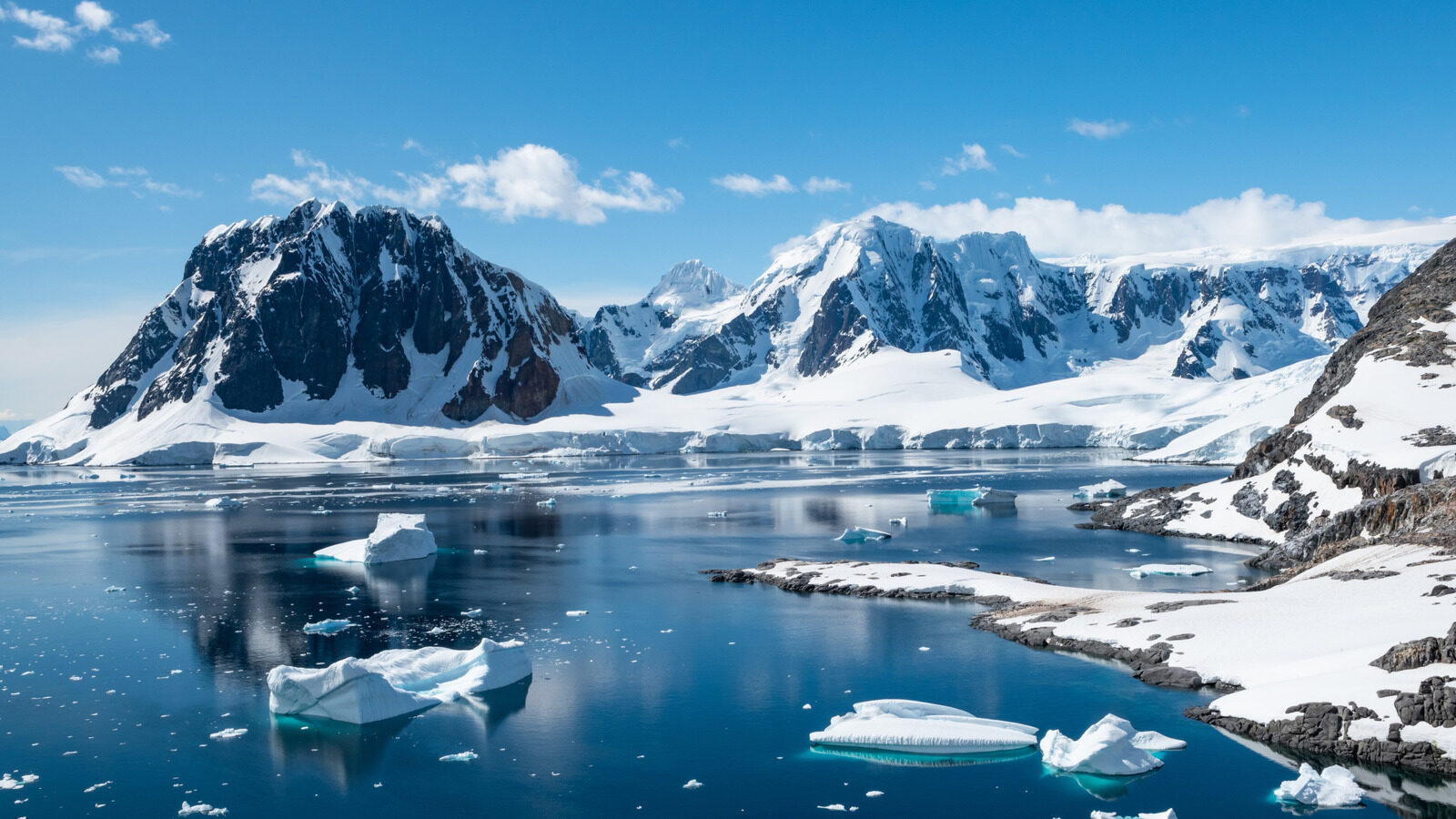

Antarctica, often perceived as a vast, frozen wasteland, holds secrets beneath its icy surface that could reshape our understanding of climate and the environment. Recent discoveries of extensive caverns beneath the ice highlight the continent’s complex geology and climate interactions. What lies under this formidable landscape is not just ice but a dynamic system that plays a critical role in Earth’s climate.
Understanding the significance of these hidden features can provide insights into our planet’s past and future. As researchers delve deeper into Antarctica’s mysteries, the implications for global climate change grow increasingly profound.
Unveiling the hidden caverns beneath Antarctica’s ice
Recent research using advanced bathymetric data has revealed an astonishing number of caverns beneath the Antarctic ice. This groundbreaking study, conducted by scientists from the University of Barcelona and University College Cork, has identified 332 previously unknown submarine canyons located at the Antarctic margin, where the Southern Ocean meets the continent.
To create this detailed mapping, researchers analyzed data from more than 40 international expeditions, alongside the International Bathymetric Chart of the Southern Ocean. The findings indicate that the Antarctic ice sheet is a complex structure with significant geological features that were previously uncharted.
The newly identified canyons vary in depth, with some extending over 13,123 feet below sea level, revealing a landscape five times more intricate than earlier surveys suggested. This discovery not only highlights the geographical diversity of Antarctica but also raises questions about the historical climate conditions that shaped these features.
Understanding the implications of these underwater features
The discovery of these underwater canyons is not merely a fascinating geological finding; it has substantial implications for understanding climate dynamics. The study’s results indicate significant variations between the eastern and western margins of Antarctica, with the East Antarctic sector displaying more extensive drainage networks compared to the West.
- East Antarctic Sector: Features the most complex drainage systems.
- West Antarctic Sector: Exhibits simpler, shorter networks.
- Antarctic Peninsula: Hosts the highest concentration of drainage networks.
These differences provide insight into the glacial history of the region and how climate change has influenced the formation of these canyons. Understanding these patterns is essential for developing predictive models related to global warming and its potential impacts on sea levels.
Why the Antarctic discovery matters for global climate understanding
The underwater canyons discovered in Antarctica are crucial to our comprehension of climate change. These features facilitate the flow of water and sediment, promoting the mixing of oceanic waters, which is vital for maintaining global thermohaline circulation. This circulation is driven by variations in water density, influenced by temperature and salinity, and plays a critical role in distributing heat and nutrients throughout the world’s oceans.
Moreover, these canyons allow warmer water from the deep ocean to rise towards the ice sheet, contributing to its melting from below. This phenomenon has significant consequences for global sea levels, as the Antarctic ice is currently melting faster than it can be replenished by snowfall. According to NASA, Antarctica is losing ice at an alarming average rate of 136 billion tons per year, a trend that has been ongoing since 2002.
This melting contributes approximately one-third of the global average sea level rise observed since 1993, further emphasizing the critical nature of understanding these underwater systems. As the ice continues to recede, the implications for coastal regions and ecosystems become increasingly dire.
Mapping the Antarctic ice sheet: a new approach
The newly constructed map of the Antarctic ice sheet represents a significant advancement in our ability to study and understand this enigmatic region. With the first coherent map of the Antarctic margin now available, researchers can better reconstruct the ice flow history, essential for predicting how the ice sheet may respond to ongoing climate shifts.
- Enhanced Predictive Models: Improved understanding of glacial dynamics.
- Environmental Monitoring: Better tracking of climate change effects.
- Global Climate Impact: Insight into broader climate patterns.
This detailed mapping can inform strategies to combat climate change and mitigate its effects on various ecosystems and human populations. By understanding how the ice sheet interacts with ocean currents and heat distribution, scientists can develop more effective responses to the challenges posed by a warming planet.
What else lies beneath the ice?
While the newly discovered caverns represent a significant breakthrough, they are likely just the tip of the iceberg regarding what lies beneath Antarctica’s ice. Ongoing research is necessary to uncover more features and understand the full extent of the geological and biological processes at play.
Furthermore, the unique ecosystems that may exist in these hidden environments could provide insights into resilience in extreme conditions. Studying these ecosystems could reveal how life adapts to harsh climates, potentially offering lessons for biodiversity conservation in a changing world.
As scientists continue to explore Antarctica’s depths, each discovery has the potential to reshape our understanding of Earth’s climate system and inform our responses to the pressing challenges of climate change. The journey to uncover the mysteries beneath the ice is just beginning, and its outcomes may hold the key to safeguarding our planet’s future.