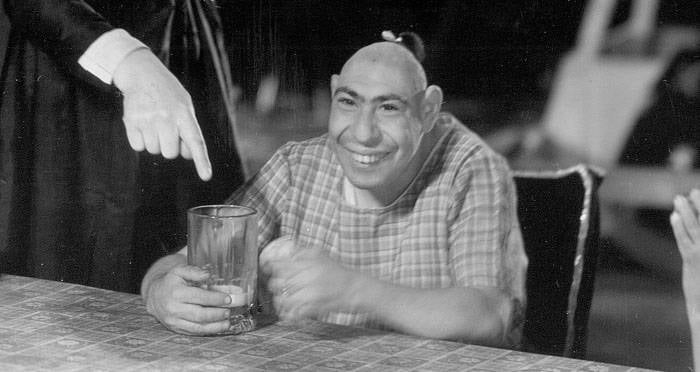

Schlitzie, a name whispered in awe and curiosity by those who knew him, was born into a world that often misunderstood his unique condition. Born in 1901 with microcephaly, he entered life facing challenges that would shape his path. This condition resulted in a smaller head size and limited mental capacity, leading to a childhood marked by differences.
Despite these obstacles, Schlitzie found a stage where he could shine. He became known as “The Monkey Girl” or “The Last of the Aztecs,” captivating audiences with his childlike demeanor and playful performances. His fame soared when he landed a role in the controversial 1932 film “Freaks.” Playing himself, he charmed viewers with his innocent act despite the film’s negative reception. Schlitzie’s story is one of resilience, acceptance, and a legacy that continues to intrigue us today.
Though he never had the luxury of a stable home or a fortune, Schlitzie touched the lives of countless people through his performances in circuses like Ringling Bros. and Barnum & Bailey and Clyde Beatty Circus. His story reminds us that fame can be fleeting, but the impact we leave on others can endure long after the spotlight fades.
Microcephaly and Early Life
Schlitzie’s early life was profoundly shaped by microcephaly, a condition characterized by an abnormally small head size. This often results in intellectual disabilities and developmental delays. Born in 1901, Schlitzie faced the world with a unique set of challenges that would define his journey. His smaller head size became a physical marker of his difference, setting him apart from other children.
Despite these difficulties, those who knew Schlitzie described him as having a gentle and loving nature. He possessed a childlike innocence that seemed to radiate warmth and charm. His limited mental capacity didn’t prevent him from connecting with others on an emotional level, forming bonds based on kindness and understanding.
Even as a young boy, Schlitzie displayed a curious and playful spirit. He enjoyed simple pleasures like listening to music, watching animals, and interacting with people who treated him with respect. It was during this formative period that the seeds of his future career in the entertainment world began to take root.
A Childlike Icon: Schlitzie’s Sideshow Career
Schlitzie’s unique appearance and endearing personality made him a captivating figure for sideshow audiences. He blossomed on the stage, embracing his role as “The Monkey Girl” or “The Last of the Aztecs.” His childlike demeanor and playful antics drew in crowds eager to witness his innocence and charm. He moved effortlessly between interacting with spectators and performing simple tricks, always radiating a sense of pure joy.
Schlitzie’s fame grew steadily as he toured with renowned circuses like Ringling Bros. and Barnum & Bailey and Clyde Beatty Circus. He became a beloved fixture in the world of sideshows, captivating audiences across the country. His performances were a testament to his resilience and ability to connect with people despite his physical differences.
Beyond the glitz and glamour of the circus, Schlitzie found genuine connections with fellow performers who treated him as family. He shared laughter, stories, and experiences that enriched his life beyond the spotlight. This sense of belonging provided comfort and support as he navigated the complexities of fame and a world that often struggled to understand him.
Freaks and Lasting Fame
The year 1932 marked a turning point in Schlitzie’s life when he landed a role in the controversial film “Freaks.” Directed by Tod Browning, the movie depicted the lives of sideshow performers with unflinching honesty, exploring themes of acceptance and prejudice. Schlitzie, playing himself, charmed audiences with his innocent act, capturing hearts despite the film’s dark undertones.
“Freaks” ignited a firestorm of public debate, praised by some for its raw realism but condemned by others for its graphic content. Nevertheless, Schlitzie’s performance stood out as a beacon of innocence amidst the chaos. His portrayal resonated with viewers who saw past the film’s sensationalism and recognized his inherent humanity.
While “Freaks” would become a cult classic, it also cast a long shadow over Schlitzie’s life. The film’s notoriety brought him both fame and notoriety, forever linking him to its controversial legacy. He continued to perform in sideshows, but the film’s impact remained a constant presence, shaping public perception of his career and persona.
Living a Complex Legacy
Schlitzie’s life after “Freaks” was a complex tapestry woven with moments of joy, hardship, and enduring love. He remained a fixture in the world of sideshows, traveling with various companies and captivating audiences with his childlike charm. Despite his fame, Schlitzie never truly found stability or financial security. His earnings were often meager, and he relied on the kindness of friends and fellow performers for support.
Tragically, when his legal guardian, George Surtees, passed away in 1965, Schlitzie’s world was thrown into turmoil. He was placed in a mental institution, a fate that deeply saddened those who knew him. Fortunately, a fellow performer named Bill Unks intervened, rescuing Schlitzie from institutional life and bringing him back to the familiar comfort of the sideshow circuit.
Schlitzie’s final years were spent entertaining crowds at MacArthur Park in Los Angeles, where he brought joy to people of all walks of life. He died peacefully in 1971, leaving behind a legacy that continues to inspire both fascination and reflection. Despite his fame and impact on audiences, Schlitzie ultimately yearned for a simple life filled with love, connection, and acceptance.
Remembering Schlitzie
Schlitzie’s story resonates with us even today because it reminds us of the enduring power of human connection and the importance of treating everyone with kindness and respect. Despite facing prejudice and societal misunderstanding throughout his life, he never lost his ability to connect with people on a genuine level. His childlike innocence and playful spirit touched countless lives, leaving an indelible mark on those who had the privilege of knowing him.
For many years after his death in 1971, Schlitzie’s grave remained unmarked, a stark reminder of how easily someone so unique and memorable can be forgotten. It wasn’t until 2007 that a devoted fan launched a campaign to raise funds for a proper headstone, finally giving Schlitzie the recognition he deserved.
His legacy continues to inspire conversation about inclusivity, acceptance, and the importance of celebrating our differences. Schlitzie’s story serves as a powerful reminder that true fame lies not in fleeting moments of notoriety but in the lasting impact we have on others. He may be gone, but his spirit lives on in the hearts of those who remember him with love and appreciation.