Have you ever gazed at the stars from Earth and wondered why they seem to vanish in photographs taken in the vastness of space? This intriguing phenomenon is rooted in the intricate mechanics of photography and the unique conditions present beyond our planet. Understanding this disparity reveals not only the wonders of space but also the limitations and capabilities of technology in capturing the universe.
While we often celebrate the breathtaking images taken by space missions, the absence of stars in many of these photos prompts curiosity. Are we missing something fundamental about light and exposure? Let’s delve into the fascinating world of photography and the reasons behind this cosmic conundrum.
The mechanics of photography explained
The art and science of photography hinge on a few essential principles that dictate how images are formed. Understanding how these principles apply in space versus on Earth reveals why the stars often elude the lens of our cosmic cameras.
Cameras capture images by manipulating two key elements: aperture and shutter speed. The aperture is an adjustable opening within the lens that controls the amount of light entering the camera. A wider aperture allows more light to reach the sensor, which is crucial in low-light conditions. Conversely, a smaller aperture limits light intake, which is beneficial in brighter environments to prevent overexposure.
In a similar fashion, the shutter speed determines how long the camera sensor is exposed to light. A fast shutter speed captures brief moments, while a slower speed allows more light to accumulate over time. This interplay of aperture and shutter speed is fundamental in achieving the right exposure for any given scene.
- Aperture: Controls light entry; wider for low light, narrower for bright scenes.
- Shutter Speed: Determines exposure duration; fast for quick moments, slow for low-light accumulation.
- ISO Settings: Adjusts sensor sensitivity to light; higher ISO for darker environments, but may introduce noise.
When we compare these mechanics to human vision, we find a remarkable similarity. Our eyes adjust to varying light conditions through the iris, which functions akin to a camera’s aperture. In bright environments, the iris constricts to limit light, while it dilates in darkness to enhance visibility.
Understanding light in space
One of the primary reasons stars appear in some space photos but not in others lies in the intense light conditions of space itself. Space is not a uniform vacuum; rather, it’s filled with a variety of light sources, including the Sun, planets, and moons, which can significantly impact photographic outcomes.
When taking photos near bright celestial bodies like Earth or the Moon, cameras must utilize high shutter speeds and small apertures to properly expose the images. This is essential to prevent the overwhelming brightness from washing out details. However, this technique has a significant downside: it fails to capture the dim light emitted by distant stars.
- Bright celestial bodies: The Earth and Moon reflect substantial light, necessitating quick shutter speeds.
- Dim stars: Stars are distant and faint, requiring longer exposure times to be properly captured.
- Fixed apertures: Many space cameras are designed with specific apertures, limiting their ability to adapt to varying light conditions.
This scenario mirrors the challenges faced when taking photos at night on Earth. When we shoot in low-light conditions, adjusting the camera’s settings is critical to revealing the stars, which often remain hidden in images taken with settings optimized for brighter subjects.
Why some space images feature stars
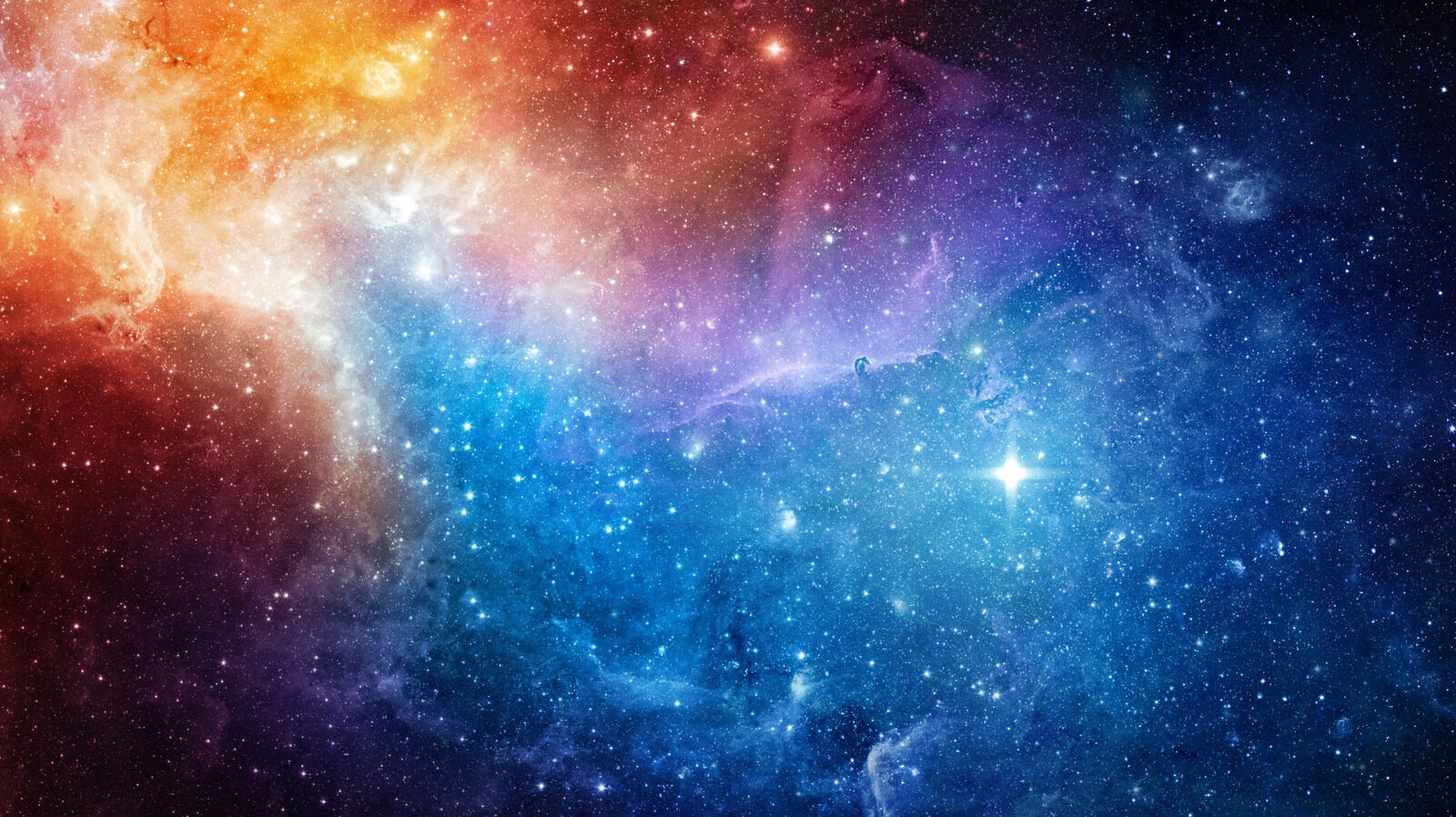
Despite the technical challenges, there are instances where stars do appear in space photography. These images are generally taken under specific conditions that allow for their visibility. Cameras designed for capturing celestial phenomena often utilize longer exposure times and specialized settings to bring out the stars.
For example, telescopic photography often involves extended exposure times, which allows cameras to collect enough light to reveal distant stars and galaxies. This technique is crucial for astronomical observations where faint light sources dominate the scene.
- Long exposure settings: Essential for capturing faint light from stars.
- Specialized equipment: Telescopes and cameras designed for astrophotography.
- Dark environments: Photography sessions conducted far from bright celestial bodies enhance star visibility.
Cameras used in space missions, like those aboard the Hubble Space Telescope, are equipped with advanced technology that allows for such long exposures, making them capable of capturing breathtaking views of the cosmos. However, many cameras onboard spacecraft, like OSIRIS-REx, are optimized for specific tasks rather than for capturing the faint light of stars.
The role of camera design
Space cameras are meticulously designed with specific missions in mind, leading to varied capabilities in capturing light. For instance, some cameras have fixed apertures tailored to the expected light conditions of their destinations, which means they might not perform well in capturing star light.
The OSIRIS-REx spacecraft features a camera that is well-suited for photographing the dark surfaces of asteroids, but this same camera would struggle to capture the faint twinkle of distant stars due to its design limitations. The decisions made during the engineering of these cameras prioritize the primary objectives of the missions, which often do not include capturing stellar images.
The future of space photography
As technology continues to advance, the field of space photography is evolving. New cameras and imaging techniques are being developed that promise to enhance the ability to capture the wonders of the universe, including the elusive stars. Innovations in sensor technology, image processing, and adaptive optics are paving the way for clearer, more detailed images of the cosmos.
Moreover, with ongoing missions to distant planets and moons, we can expect to see more diverse and detailed imagery from space, showcasing not only the planets and asteroids but also the vast array of stars that populate our universe.
- Innovative sensor technology: Enhancements in sensor design will improve light capture capabilities.
- Adaptive optics: Technology that compensates for atmospheric disturbances, potentially beneficial for space imaging.
- Multi-spectral imaging: Capturing images across different wavelengths can reveal new details about celestial bodies.
In summary, the absence of stars in many space photographs boils down to the intricate mechanics of photography, the overwhelming brightness of nearby celestial bodies, and the specific designs of space cameras. Understanding these factors enriches our appreciation of the images we receive from our explorations of the cosmos.