

The practice of self mummification monks, known as sokushinbutsu, is a fascinating and deeply spiritual tradition that originated in Japan over a thousand years ago. It’s a testament to the profound commitment Buddhists held towards their faith and their pursuit of enlightenment. Imagine dedicating your life to a rigorous regimen of self-denial and meditation, all for the ultimate goal of achieving Buddhahood within this very body.
This was the reality for those who chose to practice sokushinbutsu. Between the 11th and 20th centuries, around 20 monks from a specific sect known as Shingon successfully followed this unique self mummification process. The path involved years of strict dietary limitations – consuming only bark, roots, nuts, berries, and pine needles for sustenance. This intense fasting was designed to gradually dehydrate their bodies, preparing them for the final stage: entombment within a sealed pine coffin placed underground.
The monks believed that this extraordinary self mummified monks practice would grant them access to Tusita Heaven, a realm of peace and enlightenment. They also saw it as an act of service to humanity, seeking redemption and protection for all beings. While sokushinbutsu was ultimately criminalized in 1877 and ceased with the last practitioner in 1903, its legacy continues to fascinate us today.
Sokushinbutsu: A Path to Enlightenment
The practice of sokushinbutsu wasn’t simply about physical transformation; it was a complex spiritual journey aimed at achieving enlightenment. Monks embarking on this path believed that by rigorously purifying their bodies and minds through the self mummification process, they could transcend the limitations of earthly existence.
Each stage of sokushinbutsu, from the initial dietary restrictions to the final entombment, was imbued with symbolic meaning. The deprivation served as a tool for mental fortitude, cultivating discipline and detachment from worldly desires. Meditation played a vital role in this process, guiding monks towards deeper states of awareness and introspection. Ultimately, they sought to merge their earthly consciousness with the divine, achieving a state of perfect union known as Buddhahood within their own mummified bodies.
This concept reflects the core tenets of Buddhism: the pursuit of liberation from suffering through self-awareness and compassion. For these monks, sokushinbutsu represented an ultimate expression of this pursuit – a dedication to the path that transcended even death itself.
The Rigorous Preparation Through Mokujikigyō
The path to becoming a self mummified monk began with a rigorous regimen known as mokujikigyō, a Japanese term that translates to “tree bark and needle diet.” This was no ordinary fast; it was a carefully structured process designed to systematically dehydrate the body over a period of approximately 1,000 days. Imagine subsisting solely on tree bark, roots, nuts, berries, and pine needles – a challenging yet purposeful way to prepare both mind and body for the extraordinary journey ahead.
Monks meticulously adhered to this diet, consuming specific amounts of each food item at set times. It wasn’t merely about starvation; it was about achieving a state of physical lightness and spiritual clarity. The self mummification process was not solely physical; it required profound mental discipline and unwavering commitment to the Buddhist ideals.
This period of mokujikigyō was a time of intense self-reflection and purification. The monks would meditate for long hours, deepening their understanding of Buddhist teachings and strengthening their resolve to achieve enlightenment through sokushinbutsu. It was a testament to their dedication – a physical transformation that mirrored the profound spiritual journey they were undertaking.
Meditation and Final Farewell in the Sealed Box
After years of rigorous preparation, the final stage of sokushinbutsu began. The monk would enter a specially constructed pine coffin, sealed shut, and buried underground in a carefully chosen location. This isn’t just a simple burial; it’s a deliberate act of self-encasement – a symbolic step towards merging with nature and achieving spiritual transcendence.
Prior to this final immersion, the monks would engage in intense meditation sessions, focusing their minds on reaching a state of peaceful acceptance and detachment. They believed that by meditating within the confines of the coffin, they could achieve a profound sense of unity with the universe and finally achieve enlightenment.
This sealed box became their sanctuary – a space for introspection and ultimate transformation. Within its confines, they would spend their final days in quiet contemplation, their bodies gradually mummified through natural dehydration. It was a daring act of faith, a testament to the profound spiritual commitment these monks held towards achieving self mummification.
Seeking Redemption and Protection Through Self-Mummification
The motivations behind sokushinbutsu went beyond mere self-preservation or a quest for immortality. These monks believed they were participating in a sacred act of service to humanity. Through this extraordinary practice of self mummification, they sought redemption for past transgressions and aimed to protect the world from harm.
Their dedication stemmed from a deep understanding of Buddhist principles—the interconnectedness of all living beings and the importance of compassion. By achieving enlightenment through sokushinbutsu, they believed they could contribute to the collective well-being of humanity, fostering peace and harmony in the world.
It wasn’t just about personal gain; it was about selflessness and the pursuit of a greater good. The monks envisioned their mummified bodies as talismans, embodiments of spiritual power that would offer protection and guidance to those who venerated them. Their sacrifice was a testament to their unwavering faith and devotion to the Buddhist path.
Living Legacy: The Sokushinbutsu Today
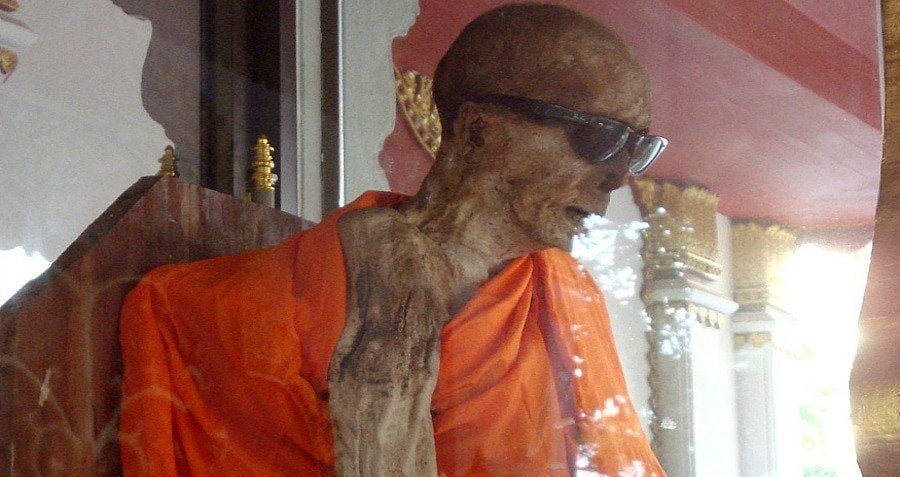
While sokushinbutsu ceased with the death of Bukkai in 1903, its legacy continues to fascinate and intrigue us today. Around 16 documented self mummified monks remain as silent testaments to this extraordinary practice, primarily found in the Mt. Yudono region of Yamagata prefecture in Japan. These remarkable individuals serve as reminders of the profound spiritual commitment and dedication these monks possessed.
Visiting these preserved remains offers a unique glimpse into the past, allowing us to contemplate the beliefs and practices of a bygone era. Scholars continue to study these self mummified monks, seeking to understand the intricate details of their lives and motivations. Their stories serve as a powerful reminder of the diverse ways humans have sought to connect with the divine throughout history.
Though sokushinbutsu is no longer practiced, its influence lingers, reminding us of the enduring power of faith and the human quest for spiritual enlightenment. These extraordinary individuals, through their remarkable acts of self-preservation, have left an indelible mark on history, inspiring awe and wonder across generations.