

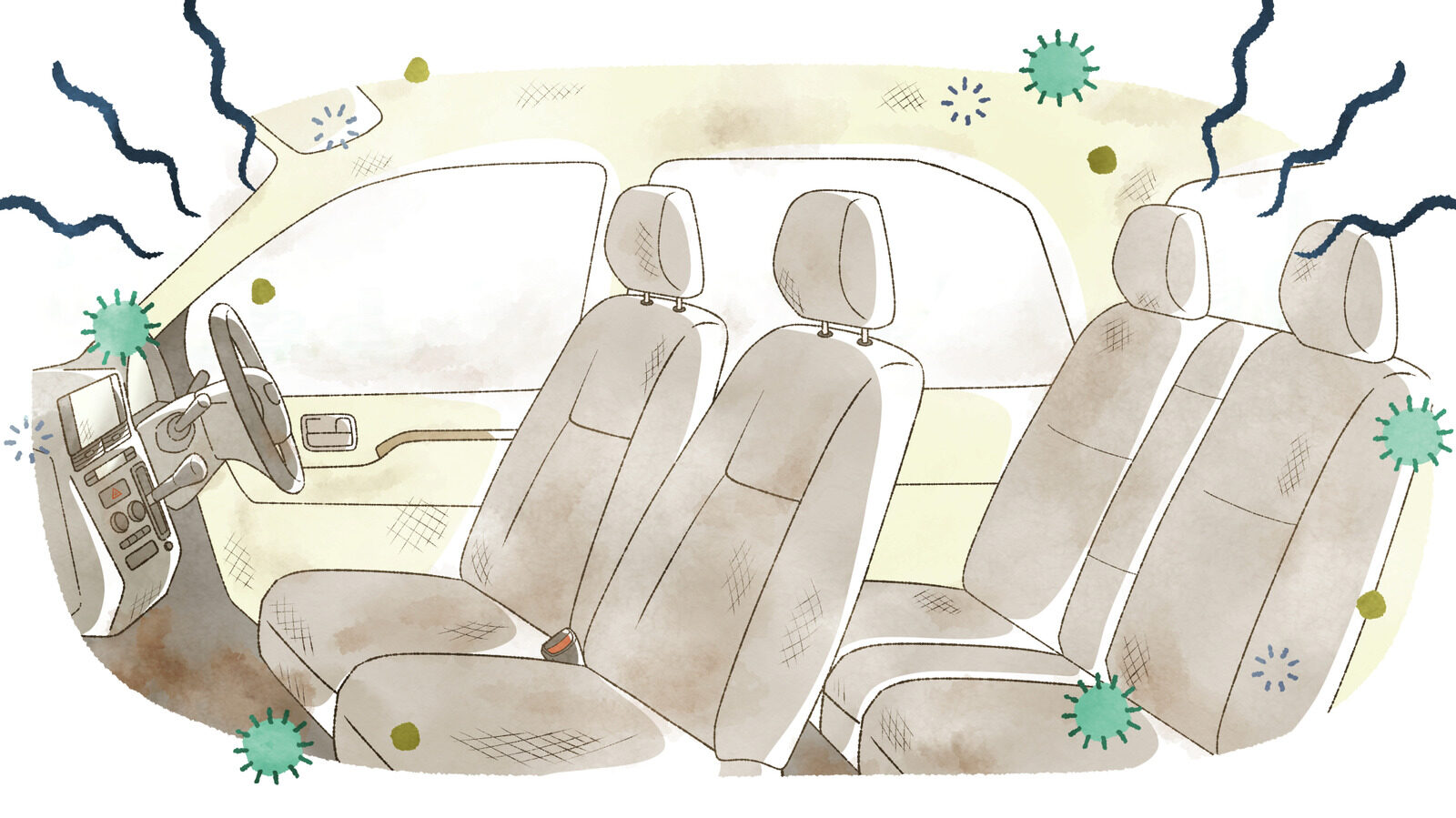

Encountering unpleasant odors from your car’s air conditioning system can be more than just a nuisance; it can also signal underlying issues that need attention. Understanding the causes and remedies for these smells not only improves your driving experience but also ensures the longevity of your vehicle’s HVAC system. Let’s explore the common sources of these odors and how to effectively address them.
Understanding the common causes of bad smells from your car’s AC
The air conditioning system in your vehicle is designed to keep you cool, but when it starts to emit foul odors, it’s crucial to identify the source of the problem. The smell can vary widely, indicating different issues, each with its own implications.
Here are some common smells and their potential causes:
- Mildew or mold: Often resembling a sweaty sock, this odor typically results from moisture buildup in the air conditioning system, particularly in the evaporator coil.
- Fuel smell: A gasoline-like odor may indicate a fuel leak, which can pose serious safety risks.
- Burning rubber or plastic: If your AC smells like something is burning, it could suggest an electrical short or issues with belts and hoses.
- Sweet or syrupy scent: This odor might indicate a coolant leak, which is hazardous to inhale and could require immediate attention.
Recognizing these smells early can prevent further damage and ensure a safer driving environment.
How to diagnose the source of the smell
Before taking action to resolve the smell, it’s essential to diagnose the exact source. Here are steps you can take to accurately identify the issue:
- Check the cabin air filter: A dirty or clogged filter can trap moisture and pollutants, leading to unpleasant odors.
- Inspect for leaks: Look for any visible signs of leaks under the hood or beneath the vehicle.
- Turn on the AC: Listen for unusual sounds and notice any changes in airflow, which may indicate blockages or mechanical issues.
- Smell test: With the car stationary, run the AC and note any specific odors that arise.
Conducting these checks can help narrow down whether the issue is something you can fix yourself or if it requires professional assistance.
How do you fix a bad smell coming from your car’s AC?
Once you’ve pinpointed the cause of the unpleasant odor, the next step is remediation. Here are some solutions based on the identified issues:
If the culprit is mildew or mold:
- Open the windows to ventilate the vehicle.
- Remove and inspect the cabin filter; replace it if necessary.
- Use a disinfectant spray, such as Lysol disinfectant spray or Ozium air sanitizer.
- Spray into the plenum, which is located near the base of the windshield, allowing the disinfectant to be pulled into the system.
For smells related to fuel, coolant, or oil, it’s advisable to seek professional help:
- Contact an automotive technician to evaluate and repair leaks.
- Ensure any electrical issues are addressed by a qualified professional to avoid safety hazards.
If the smell persists despite your efforts, consider using baking soda to neutralize odors. Sprinkle a thin layer around the interior, let it sit, and then vacuum it up after a few hours.
Preventing bad smells from your car’s AC
Prevention is key to ensuring that your car’s air conditioning system remains odor-free. Implementing regular maintenance practices can significantly reduce the likelihood of unpleasant smells.
Here are some tips for keeping your AC fresh:
- Regularly replace the cabin air filter, typically every 12,000 to 15,000 miles.
- Run the AC periodically, even in winter, to prevent moisture buildup inside the system.
- Park in shaded areas to minimize temperature fluctuations that can condense moisture.
- Keep the interior clean and free of debris that can contribute to odors.
By following these preventive measures, you can enjoy a fresher driving experience and prolong the life of your vehicle’s air conditioning system.
When to seek professional help
While many minor issues can be resolved through DIY methods, certain situations require expert intervention. If you experience any of the following, it’s best to consult a professional:
- Persistent smells that don’t improve with cleaning or maintenance.
- Signs of coolant or fuel leaks that could indicate serious engine issues.
- Unusual noises or changes in AC performance that suggest mechanical problems.
Addressing these issues promptly can prevent further damage and ensure your car remains safe and reliable.