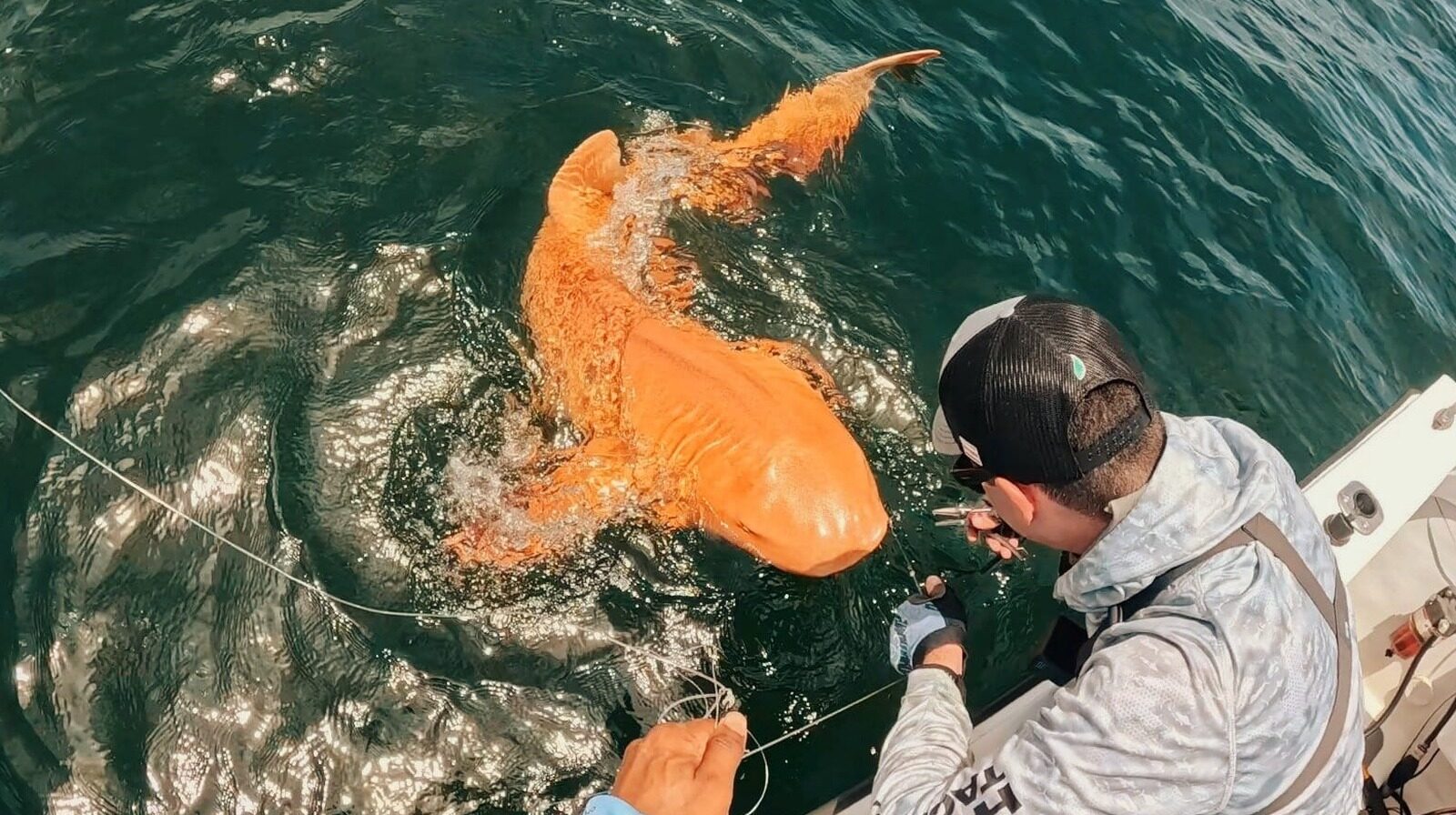
In a remarkable discovery that has captivated marine biologists and nature enthusiasts alike, a vibrant orange nurse shark has been found off the east coast of Costa Rica. This unprecedented sighting has raised significant questions about the genetic and environmental factors contributing to such rare pigmentation in marine life. As researchers delve deeper into the implications of this finding, the spotlight shines on the extraordinary adaptations of ocean dwellers.
What makes this nurse shark particularly fascinating is not only its striking orange hue but also the haunting whiteness of its eyes. This unique combination has prompted scientists to explore the underlying causes, leading to the hypothesis that a rare mix of genetic conditions may be at play. Let’s dive into the intriguing world of xanthochromism and albinism, the two conditions believed to have contributed to this shark’s unusual appearance.
The rarity of xanthochromism in marine species
Xanthochromism, a condition characterized by a yellowish or orange coloration due to a deficiency in darker pigments, is exceedingly rare among marine species. This nurse shark is notable for being the first scientifically documented case of total xanthism within its species, marking it as a groundbreaking find in marine biology.
Historically, there have been few documented instances of xanthochromism in cartilaginous fishes, and this nurse shark represents a significant addition to that list. Prior to this discovery, the condition was noted in:
- Fish from the Arabian Sea in 2021
- The first common snook exhibiting xanthochromism in 2024
- Several bird species with similar pigmentation issues
While xanthochromism is a rarity, the fact that this nurse shark is not currently on the endangered species list adds a layer of hope that it can thrive despite its unusual coloration. The unique white eyes, which deviate from the typical black found in most nurse sharks, suggest additional complexities linked to its genetic makeup.
Understanding albinism and its implications
Albinism is a condition more commonly observed in various animal species, including fish. It is characterized by a lack of melanin, the pigment responsible for coloration in skin, hair, and eyes. In the context of this nurse shark, the presence of albinism alongside xanthochromism has resulted in an extraordinarily unique appearance.
The implications of having both conditions are profound. Albinism can lead to:
- Increased vulnerability to sunlight due to the absence of protective pigmentation
- Heightened visibility to predators, which may affect survival
- Potential challenges in finding mates and reproducing
Nevertheless, the researchers expressed optimism that the nurse shark’s age and size indicate it has adapted well to its environment, suggesting that these conditions, while rare, may not be as detrimental to its survival as previously thought.
Genetic and environmental factors influencing pigmentation
One of the most intriguing aspects of this discovery is the uncertainty surrounding the root causes of the shark’s unique pigmentation. While genetic predisposition is a likely factor, environmental influences could also play a significant role.
Researchers have speculated on various contributing factors, including:
- **Genetic mutations**: The shark may have inherited a rare combination of genes leading to the expression of both xanthochromism and albinism.
- **Environmental stressors**: Factors such as changes in water temperature or pollution could potentially affect pigmentation.
- **Inbreeding**: Limited genetic diversity within a population might increase the likelihood of such rare conditions.
- **Hormonal imbalances**: Fluctuations in hormone levels may also alter pigmentation.
The study published in the journal Marine Biodiversity emphasizes the need for further investigation to understand the precise mechanisms behind the shark’s striking appearance.
Potential implications for marine biodiversity studies
The discovery of this orange nurse shark opens up new avenues for research into marine biodiversity and the effects of environmental changes on marine life. Understanding the genetic and environmental factors contributing to such rare conditions could shed light on the adaptability and resilience of species in changing ecosystems.
Some potential areas of study include:
- Impact of climate change on marine species and their pigmentation
- Role of genetic diversity in survival and adaptation
- Effects of pollution and habitat degradation on fish health and appearance
This unique case not only highlights the wonders of marine biology but also serves as a reminder of the delicate balance within ecosystems. As researchers continue to explore these dimensions, the hope is that such discoveries will contribute to the conservation and understanding of marine life.
Future research directions and conservation efforts
With this unprecedented finding, the scientific community is encouraged to pursue deeper research into the phenomena of xanthochromism and albinism in marine species. This could involve:
- Conducting further genetic analysis of similar specimens
- Establishing a monitoring program for the nurse shark population in the Caribbean
- Collaborating with conservation organizations to protect habitats
As we gain more insights into the genetic and environmental factors affecting marine species, it becomes increasingly essential to implement effective conservation strategies. Protecting diverse marine habitats not only benefits species like the nurse shark but also preserves the intricate web of life that thrives beneath the waves.