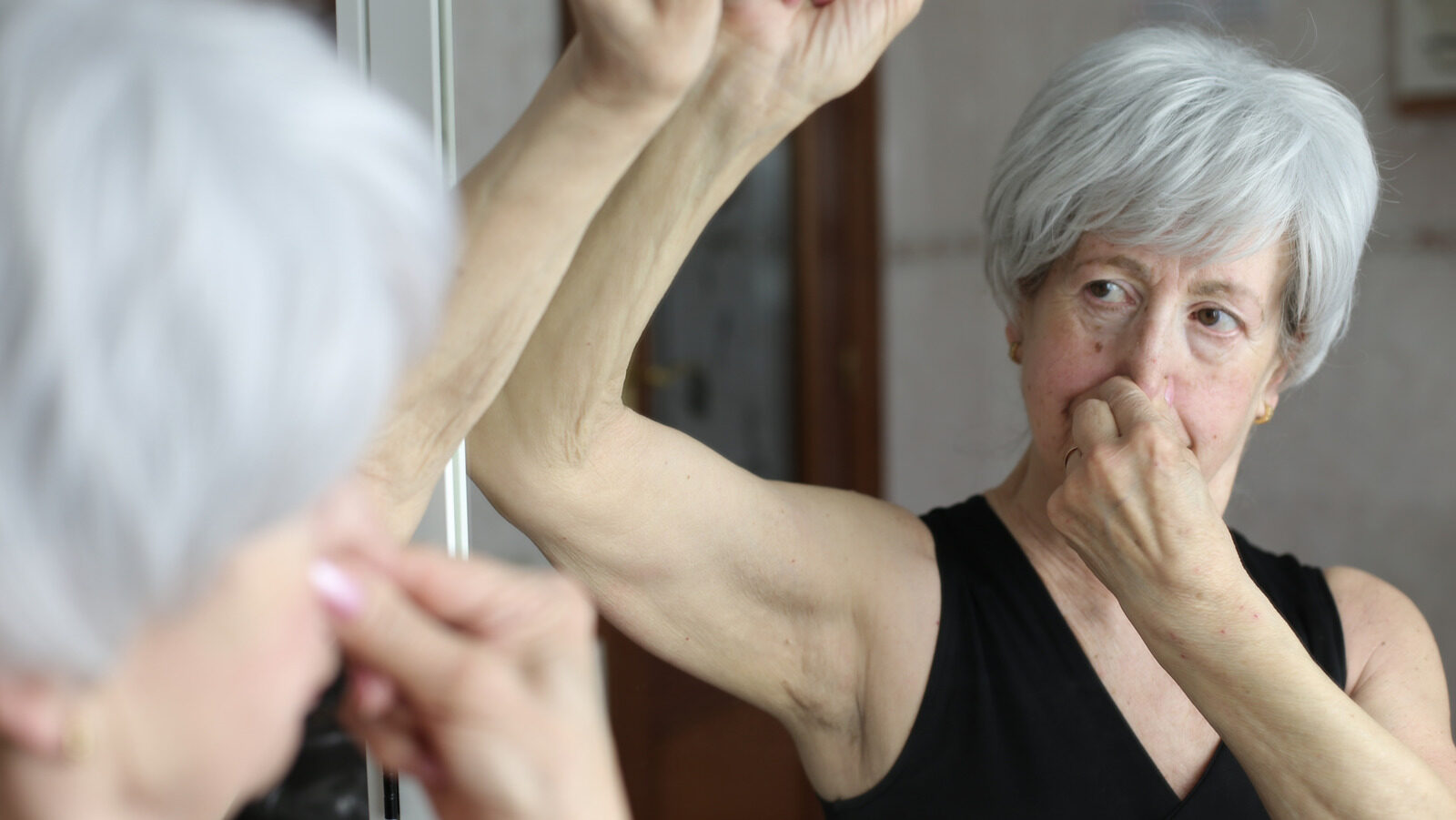
Have you ever noticed a distinct scent that seems to be associated with older individuals? This phenomenon, often referred to as “old people smell,” has intrigued both scientists and the general public alike. While some may dismiss it as a mere stereotype, scientific studies reveal there’s more to this smell than meets the eye. Let’s explore the origins, implications, and possible solutions to this intriguing aspect of aging.
Understanding the chemistry behind the aging scent
The concept of “old people smell” is not just folklore; it has scientific backing. Researchers have identified a compound called 2-nonenal, which is primarily responsible for this odor. This unsaturated aldehyde is produced as a result of the lipid peroxidation process—a reaction where oxidants attack lipids, particularly polyunsaturated fatty acids found in the skin.
During this chemical process, the skin secretes fatty acids that become oxidized in the air. The bacteria present on the skin metabolize these oxidized compounds, leading to the release of 2-nonenal. This compound has been described as having a scent similar to old books or candle wax, which many associate with the aging process.
A study conducted by the Japanese Society of Anti-Aging Medicine in 2010 found that 69% of older participants (aged 40 and above) had detectable levels of 2-nonenal, while none of the younger participants exhibited this compound. This stark contrast emphasizes the biological changes our bodies undergo with age.
Common misconceptions about aging and smell
There are numerous myths surrounding the aging process and its associated odors. For instance, many believe that hygiene plays a crucial role in the “old people smell.” While proper hygiene is essential, it does not completely eliminate the chemical processes that produce 2-nonenal. Here are some common misconceptions:
- Hygiene eliminates all odors: While cleanliness is vital, aging can lead to unique scents due to biological changes, regardless of hygiene practices.
- All older adults smell the same: The scent can vary significantly between individuals, influenced by factors like diet, health, and skin care.
- Old age is the only factor: Genetics and lifestyle choices, such as smoking or alcohol consumption, can also contribute to the odors associated with aging.
Is it possible to avoid smelling like you’re aging?
While some might not mind the scent associated with aging, others may seek ways to minimize or eliminate it. A study published in PLoS ONE in 2012 revealed that most individuals do not find the smell off-putting; however, the desire to maintain a youthful scent persists. Here are some effective strategies:
- Antioxidant-rich diet: Incorporating fruits and vegetables high in antioxidants can help combat the oxidative stress that leads to 2-nonenal production.
- Hydration: Drinking plenty of water helps maintain healthy skin, which may mitigate the scent’s prominence.
- Effective skincare products: Utilizing products containing persimmon extract has shown promise in reducing 2-nonenal levels due to their deodorizing properties.
Practical tips for managing aging odors
Managing the scent associated with aging doesn’t have to be overly complicated. Here are some practical tips to consider:
- Use gentle cleansers: Opt for soaps and body washes containing natural ingredients, such as persimmon or green tea, known for their deodorizing effects.
- Implement a skincare routine: Regularly moisturizing can help maintain skin integrity and reduce the production of odor-causing compounds.
- Wear breathable fabrics: Clothing made from natural fibers, such as cotton, allows for better air circulation, reducing moisture that can trap odors.
Exploring the psychological aspects of aging odors
The reaction to odors can be deeply rooted in psychology. For many, the scent of aging may evoke feelings of nostalgia or even discomfort. Understanding these psychological connections is crucial:
- Associations with memories: Smells can trigger vivid memories, which may be positive or negative, influencing how one perceives the aging scent.
- Social perceptions: There is often a stigma attached to aging, and odors can contribute to societal stereotypes that affect how older adults are viewed.
- Self-perception: Individuals may feel self-conscious about their scent, impacting their confidence and social interactions.
Future research directions
While much has been learned about the chemistry behind aging odors, ongoing research continues to explore this topic. Potential areas of study include:
- Genetic factors: Investigating how genetics influence the production of odor-causing compounds could lead to personalized skincare solutions.
- Environmental interactions: Researching how environmental factors, like pollution, impact the aging scent can help develop better preventive measures.
- Behavioral studies: Understanding how attitudes towards aging odors affect social interactions can help reduce stigma and improve the quality of life for older adults.
As science continues to uncover the intricacies of aging and its associated odors, individuals can take proactive steps to manage their scents while embracing the aging process. By understanding the underlying chemistry, dispelling myths, and adopting effective strategies, it’s possible to navigate the world of fragrances as we grow older, all while maintaining a sense of vitality and youthfulness.