
Have you ever thought about the curious interactions between common household items? One of the most fascinating is the effect of orange peel juice on balloons. This seemingly simple experiment reveals underlying chemical principles that can inspire a greater appreciation for both science and the everyday world around us. Let’s dive into the science behind this bizarre phenomenon.
The surprising effect of orange peel juice on balloons
Using orange peel to pop balloons is not just a fun party trick; it is an intriguing demonstration of chemical interactions. When orange peel juice comes into contact with the rubber of a balloon, it causes the balloon to deteriorate and pop in a matter of seconds. This unexpected result is a great way to engage with basic chemistry concepts while enjoying a hands-on experiment.
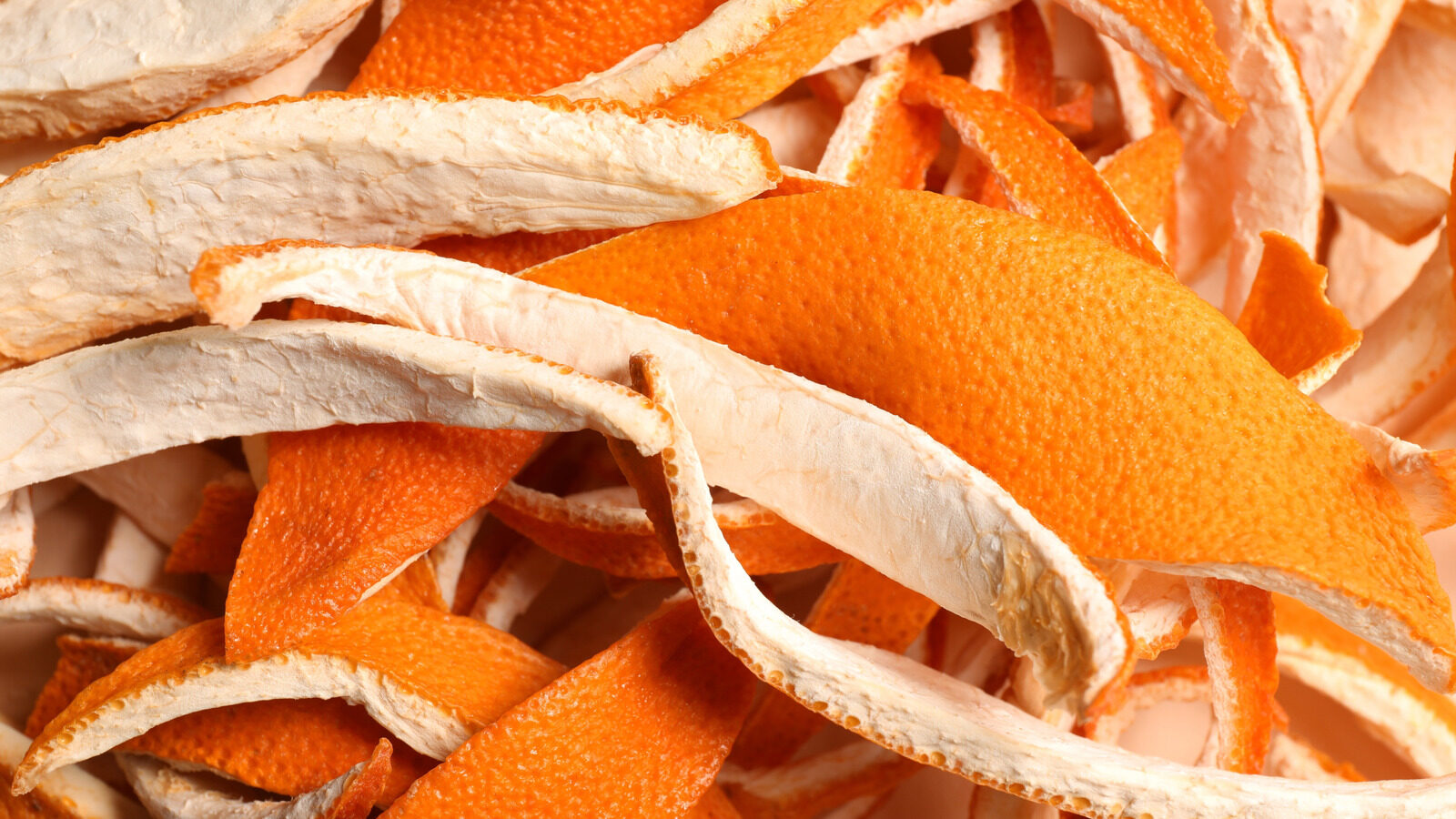
The key component responsible for this reaction is a substance called limonene, which is found in the oil extracted from orange peels. This hydrocarbon compound is known for its distinct citrus scent, but it also has chemical properties that interact negatively with the rubber used in balloons.
Understanding the chemistry behind the interaction
To comprehend why orange peel juice can pop a balloon, it helps to grasp some basic chemical concepts. Limonene is classified as a non-polar hydrocarbon. This classification is significant because it means that limonene molecules do not have a significant charge difference across their structure. Consequently, they interact differently with other substances.
In chemistry, there’s a principle widely recognized as “like dissolves like,” which suggests that non-polar substances will dissolve in non-polar solvents. Since the rubber in most balloons is also non-polar, the limonene interacts with it, leading to the following outcomes:
- The limonene penetrates the surface of the balloon.
- It breaks down the rubber molecules.
- This degradation ultimately causes the balloon to pop.
Experiments conducted by the Chemical Educational Xchange confirmed this theory by directly applying limonene extracted from orange peels onto balloons, showcasing the phenomenon in action.
Orange peels vs. other citrus fruits
While oranges are the most common fruit associated with this trick, they’re not the only ones that can cause balloons to pop. Other citrus fruits, such as lemons and grapefruits, also contain limonene, and they can produce the same effect when applied to balloons. Here are a few citrus fruits that can be used in this experiment:
- Oranges
- Lemons
- Grapefruits
- Limes
However, the concentration of limonene varies between different citrus fruits, which may influence the effectiveness of each in popping balloons.
Why not all balloons pop with orange peel juice
Interestingly, not all balloons react the same way to limonene. Although it may seem counterintuitive that a non-polar compound wouldn’t always break down another non-polar substance, there’s a catch. Many balloons are made from vulcanized rubber, which undergoes a chemical process that enhances their durability.
Vulcanization involves treating natural rubber with sulfur to create cross-links between the long isoprene molecules in the rubber. This process gives vulcanized rubber a much tougher structure compared to natural rubber. As a result:
- Vulcanized balloons are more resilient against solvents like limonene.
- Water balloons, on the other hand, often use non-vulcanized rubber, making them more susceptible to the effects of limonene.
- Even though water balloons are thinner and weaker, they can be an excellent choice for this experiment.
Therefore, while the orange peel trick is effective with some balloons, it may not work with all types, especially those designed for longevity.
Practical applications and educational insights
This experiment serves as a fantastic educational tool for teaching fundamental chemistry concepts. It is not only entertaining but also sparks curiosity and encourages exploration. Here are some practical applications and insights you can gain from this simple experiment:
- Understanding chemical properties: Learn about polar and non-polar molecules.
- Hands-on learning: Conduct experiments to see chemical reactions in real-time.
- Encouraging scientific inquiry: Ask questions about other substances that might have similar effects.
Moreover, it can lead to discussions about the importance of chemical interactions in everyday life, from cleaning products to food preservation. Students can explore how different compounds interact and the implications of these interactions in various fields, including culinary arts and environmental science.
Conclusion
The interaction between orange peel juice and balloons is an excellent example of how chemistry manifests in our everyday lives. Through a simple experiment, we can explore complex concepts and appreciate the intricacies of chemical reactions. By understanding the role of limonene and the properties of rubber, we gain insight into broader scientific principles that govern the world around us.