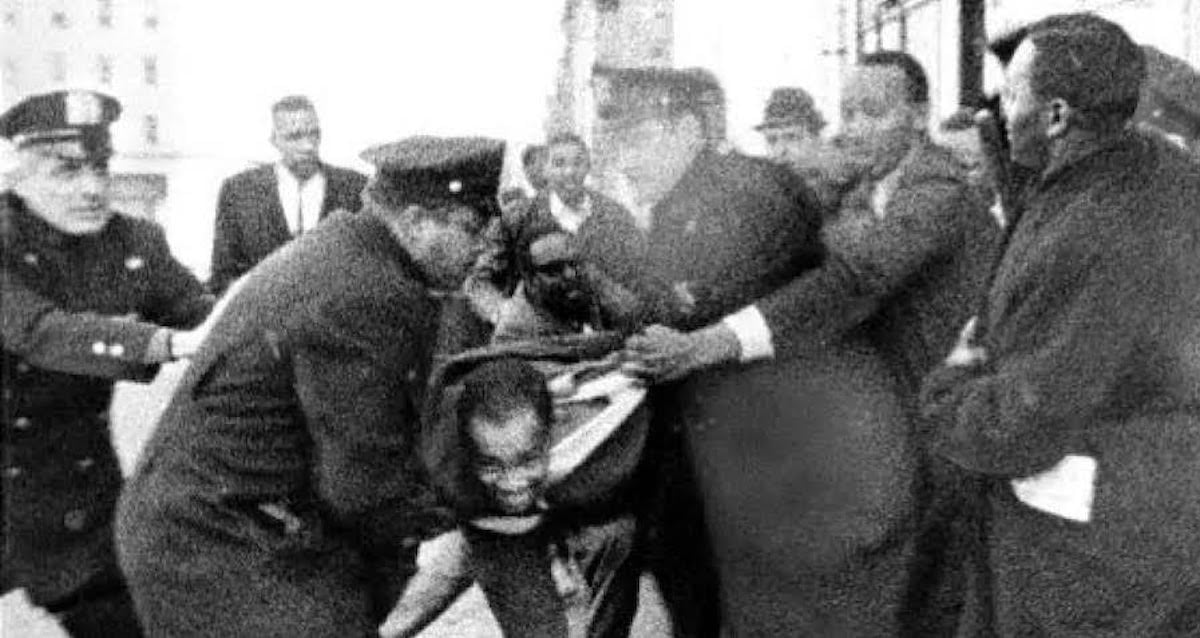

The assassination of Malcolm X in 1965 remains a deeply impactful event in American history, shrouded in controversy and unanswered questions. While Thomas Hagan, also known as Talmadge Hayer and Mujahid Abdul Halim, confessed to the crime, claiming responsibility for the fatal shots, the full story is far more complex. Hagan’s confession has been met with skepticism by some, who point to potential involvement of outside forces and a possible cover-up.
Hagan, a former member of the Nation of Islam (NOI), claimed to have acted alone but asserted that other NOI members were involved in the planning and execution of the assassination. He stated that his actions stemmed from a sense of betrayal after Malcolm X’s departure from the organization and his public criticism of its leader, Elijah Muhammad. This personal motive adds another layer of intrigue to the already complex case.
Thomas Hagan age at the time of the assassination was 26 years old. He served 44 years in prison before being released in 2000. Despite his confession, the circumstances surrounding Malcolm X’s death continue to be debated, with many believing that a deeper conspiracy lies hidden beneath the surface. The case remains open, serving as a stark reminder of the lingering impact of this historical tragedy and the persistent search for truth and justice.
The Confession of Thomas Hagan
Thomas Hagan’s confession to the assassination of Malcolm X in 1965 sent shockwaves through the nation and ignited a firestorm of controversy. He admitted to firing the fatal shots, claiming he acted out of personal anger and betrayal after Malcolm X left the Nation of Islam (NOI) and publicly criticized its leader, Elijah Muhammad. Hagan’s account painted a picture of a man deeply conflicted by his loyalty to the NOI and his growing disillusionment with its ideology.
His confession came during his trial in 1966, where he was initially sentenced to life imprisonment. While Hagan maintained his guilt throughout the years, he consistently insisted that two other NOI members, Muhammad A. Aziz and Khalil Islam, were innocent of the crime. He claimed they were present at the scene but did not participate in the shooting, a claim that would later be corroborated by new evidence and ultimately lead to their convictions being vacated in 2021.
This confession, while pivotal in understanding the events surrounding Malcolm X’s death, remains a subject of intense debate. Some believe Hagan acted alone, driven by personal motives, while others suspect a deeper conspiracy involving other individuals or even government agencies. The possibility that he was influenced or manipulated to confess adds another layer of complexity to an already tragic and perplexing case.
The Nation of Islam and Malcolm X’s Assassination
The Nation of Islam (NOI) played a central role in Malcolm X’s life and ultimately became intertwined with his assassination. Malcolm X joined the NOI in 1948, rising quickly through the ranks and becoming a charismatic spokesperson for its message of Black empowerment and self-determination. During this time, he fervently advocated for Black separatism and condemned white society, which earned him both fervent followers and staunch critics.
However, as Malcolm X gained prominence, his views began to diverge from those of the NOI leadership under Elijah Muhammad. He started questioning their strict doctrines and criticized Muhammad’s personal conduct, leading to a public rift between them. This break with the organization alienated many within its ranks and contributed to a climate of tension and animosity. Some believe that Malcolm X’s departure from the NOI and his growing influence outside the organization made him a target within the group itself.
The assassination took place just weeks after Malcolm X publicly announced his resignation from the NOI, further fueling speculation about internal motives behind the killing. Though Thomas Hagan confessed to the crime, many experts believe that deeper ties to the NOI may have been involved in the planning and execution of the assassination. This theory is supported by Hagan’s own claims of accomplices within the organization, as well as the historical context of the time, marked by internal conflicts and power struggles within the NOI itself.
Accomplices and Unanswered Questions
Despite Thomas Hagan’s confession, the assassination of Malcolm X remains shrouded in mystery and unanswered questions. Hagan himself claimed that he had accomplices within the Nation of Islam who helped him carry out the attack. He named several individuals, including William Bradley, Leon Davis, Benjamin Thomas, and Wilbur McKinley, alleging their involvement in planning and facilitating the shooting.
However, the full extent of these alleged accomplices’ roles remains unclear. No other individuals were ever convicted in connection with the assassination, leaving many to wonder if Hagan acted alone or if others played a more significant part in the plot. This ambiguity has fueled conspiracy theories and public speculation for decades. Some experts believe that law enforcement agencies like the FBI and NYPD may have been involved in Malcolm X’s death, pointing to their history of surveillance on X and a potentially inadequate investigation of the crime.
The lack of conclusive evidence regarding potential accomplices has left a gaping hole in our understanding of the assassination. This unresolved aspect of the case continues to haunt those seeking justice for Malcolm X and raises troubling questions about the potential for government or institutional complicity in his murder.
A History of Conspiracy Theories
The assassination of Malcolm X has been a breeding ground for conspiracy theories, fueled by the murky circumstances surrounding his death and the lingering doubts surrounding Thomas Hagan’s confession. Many people believe that Hagan acted as part of a larger plot orchestrated by individuals or groups with vested interests in silencing Malcolm X.
Some theories point to the involvement of government agencies like the FBI, alleging that they saw Malcolm X as a threat due to his growing influence and outspoken criticism of American policies. Others suggest that powerful figures within the Nation of Islam itself orchestrated the assassination to eliminate a rising star who challenged their authority. The lack of transparency in the initial investigation and the absence of conclusive evidence regarding potential accomplices have only served to fuel these suspicions.
These theories, while often unproven, reflect the deep-seated mistrust and suspicion that many feel towards official narratives surrounding high-profile assassinations. They highlight the persistent desire for truth and justice in cases where answers remain elusive, reminding us that sometimes, even decades after a tragedy, questions linger unanswered and shadows of doubt persist.
Living in the Shadow of History
Today, Thomas Hagan lives a quiet life in Brooklyn, shunning publicity and the relentless scrutiny that has followed him for decades. The weight of his confession and the controversy surrounding Malcolm X’s assassination continue to cast a long shadow over his existence, shaping his choices and limiting his opportunities for public engagement.
He rarely speaks about the past, preferring to live in relative anonymity. His decision to remain out of the spotlight reflects the profound psychological toll that such a high-profile case can take. It also highlights the complex emotions associated with being both the perpetrator and the central figure in a historical tragedy.
Despite his efforts to distance himself from the past, Hagan remains inextricably linked to Malcolm X’s legacy. His confession, while controversial, has sparked ongoing discussions about race, justice, and the complexities of truth-seeking in high-profile cases. Even in quiet retirement, Thomas Hagan’s story serves as a reminder of the enduring impact of historical events and the lasting consequences they have on individuals and society alike.