
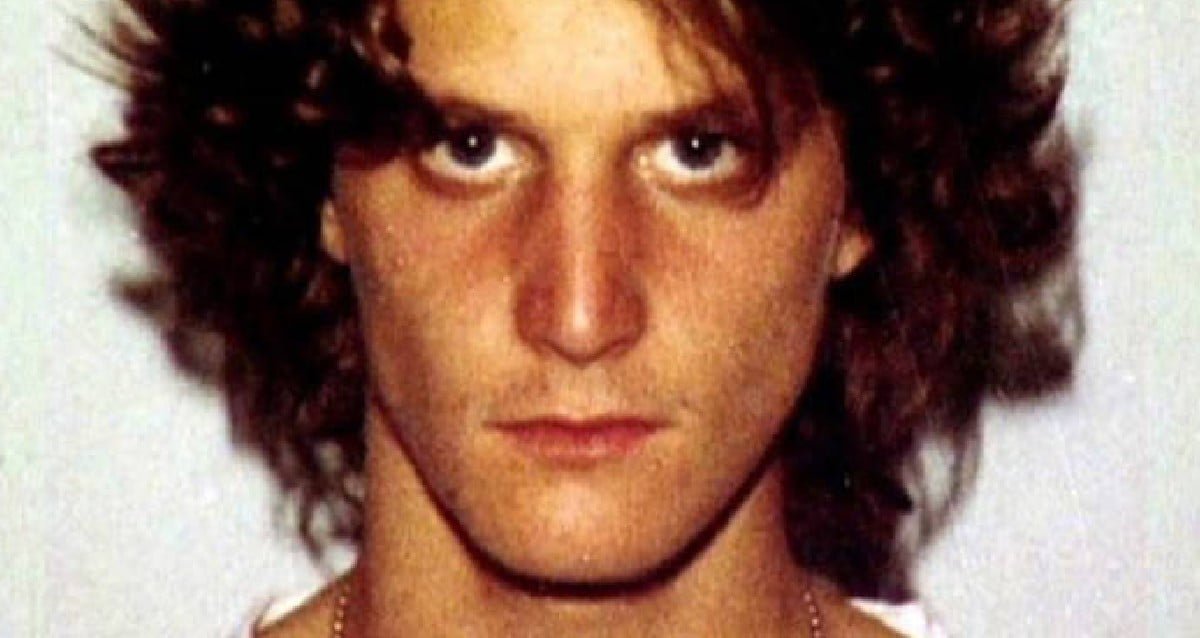
On June 19, 1984, 17-year-old Ricky Kasso murdered his classmate, Gary Lauwers, in the Aztakea Woods of Northport, New York. The crime, characterized by extreme violence, occurred during a period of intense social anxiety regarding occultism known as the Satanic Panic. While initial reports suggested a ritualistic sacrifice, evidence indicated the motive was rooted in a dispute over illegal drugs.
The Events in Aztakea Woods
The conflict between Kasso and Lauwers began approximately two months prior to the murder. During a party, Lauwers had stolen 10 packets of angel dust (phencyclidine) from Kasso. This theft served as the primary catalyst for the events of June 19.
On the night of the killing, Kasso, Lauwers, and two other teenagers—18-year-old James Troiano and 17-year-old Albert Quinones—entered the woods to use drugs. Accounts of the evening’s start vary, with some reports indicating that Lauwers was forced to burn his clothing in a bonfire, while others suggest he volunteered his socks to sustain the fire. The situation escalated when Kasso attacked Lauwers.
According to accounts provided to Rolling Stone, Kasso demanded that Lauwers state, “I love Satan.” Lauwers reportedly replied, “I love you mom,” before Kasso began a violent assault. Lauwers was stabbed dozens of times and suffered severe ocular injuries. Following the attack, the three teenagers buried the body in a shallow grave.
Ricky Kasso’s Background and Behavior
Richard Allan Kasso Jr. was born on March 29, 1967, to a local history teacher. In his early childhood, he was described as an athlete and a model child. However, by junior high school, Kasso’s behavior shifted toward rebellion and apathy regarding his education and sports.
Kasso developed a deep interest in heavy rock music, occult rituals, and drug use. He adopted the moniker “Acid King” and frequently gathered with other teenagers in local parks to use LSD and angel dust. His interest in the occult became a defining characteristic of his public persona among peers. As noted by the New York Daily News, Kasso often claimed to be the devil and spent time in cemeteries attempting to contact supernatural entities.
His documented activities included several concerning incidents:
- Occult Visits: In the spring of 1984, Kasso traveled to the Amityville Horror House to celebrate Walpurgisnacht.
- Grave Robbing: Kasso was arrested after being caught digging into a colonial-era grave to steal human remains.
- Mental Health Crisis: His parents attempted to have him institutionalized at Long Island Jewish Hospital, citing his drug abuse, grave digging, and previous suicide attempts.
Despite these red flags, psychiatrists at the hospital evaluated Kasso and determined that while he displayed antisocial traits, he was not “presently psychotic.” Consequently, he was released shortly before the murder of Gary Lauwers.
Investigation and Discovery
The disappearance of Gary Lauwers did not immediately trigger an alarm, as he had a history of running away from home. However, the crime became known through the social circles of local teenagers. Kasso and Troiano reportedly bragged about the killing and led several classmates into the woods to view the body.
It is estimated that between 15 and 30 people were aware of the murder before the authorities were notified. The police were alerted on July 4, 1984, after a girl overheard conversations regarding the crime. Upon investigation, officers discovered Lauwers’ skeletal remains in the woods.
The Influence of the Satanic Panic
The arrest of Kasso and Troiano coincided with the height of the Satanic Panic in the United States, a period marked by widespread fear of occult conspiracies and ritual abuse. This cultural climate heavily influenced the media coverage of the case.
News outlets and some law enforcement officials initially framed the murder as a sacrificial ritual. Lieutenant Robert Dunn of the Suffolk County homicide squad suggested that the killing was sacrificial, citing the demands Kasso made of the victim before his death. The New York Times reported on the case during this period of high tension.
The media also highlighted a group called the “Knights of the Black Circle,” describing it as a satanic cult. In reality, the group consisted of a small number of teenagers primarily involved in the sale of marijuana. Kasso himself told investigators that he believed a crow’s cawing during the murder was a sign from the devil ordering the kill, further fueling the occult narrative.
Legal Outcomes and Aftermath
The legal proceedings for the crime were cut short by the death of the primary suspect. On July 7, 1984, Ricky Kasso committed suicide by hanging himself in his jail cell.
James Troiano, who was also arrested in connection with the murder, was eventually acquitted. His defense argued that Troiano was under the influence of drugs to such an extent during the night of the crime that he lacked a clear understanding of the events.
In the years following the trial, residents of Northport expressed the belief that the media had exaggerated the occult aspects of the case. While Kasso’s personal beliefs were rooted in Satanism, the actual motive for the murder was a drug-related dispute between two unstable teenagers. The case remains a prominent example of how the social hysteria of the 1980s could reshape the public perception of criminal acts.
Summary of Case Facts
| Detail | Information |
|---|---|
| Victim | Gary Lauwers (17) |
| Perpetrator | Ricky Kasso (17) |
| Date of Crime | June 19, 1984 |
| Location | Northport, New York |
| Primary Motive | Theft of angel dust |
| Outcome | Kasso suicide (July 7, 1984); Troiano acquitted |