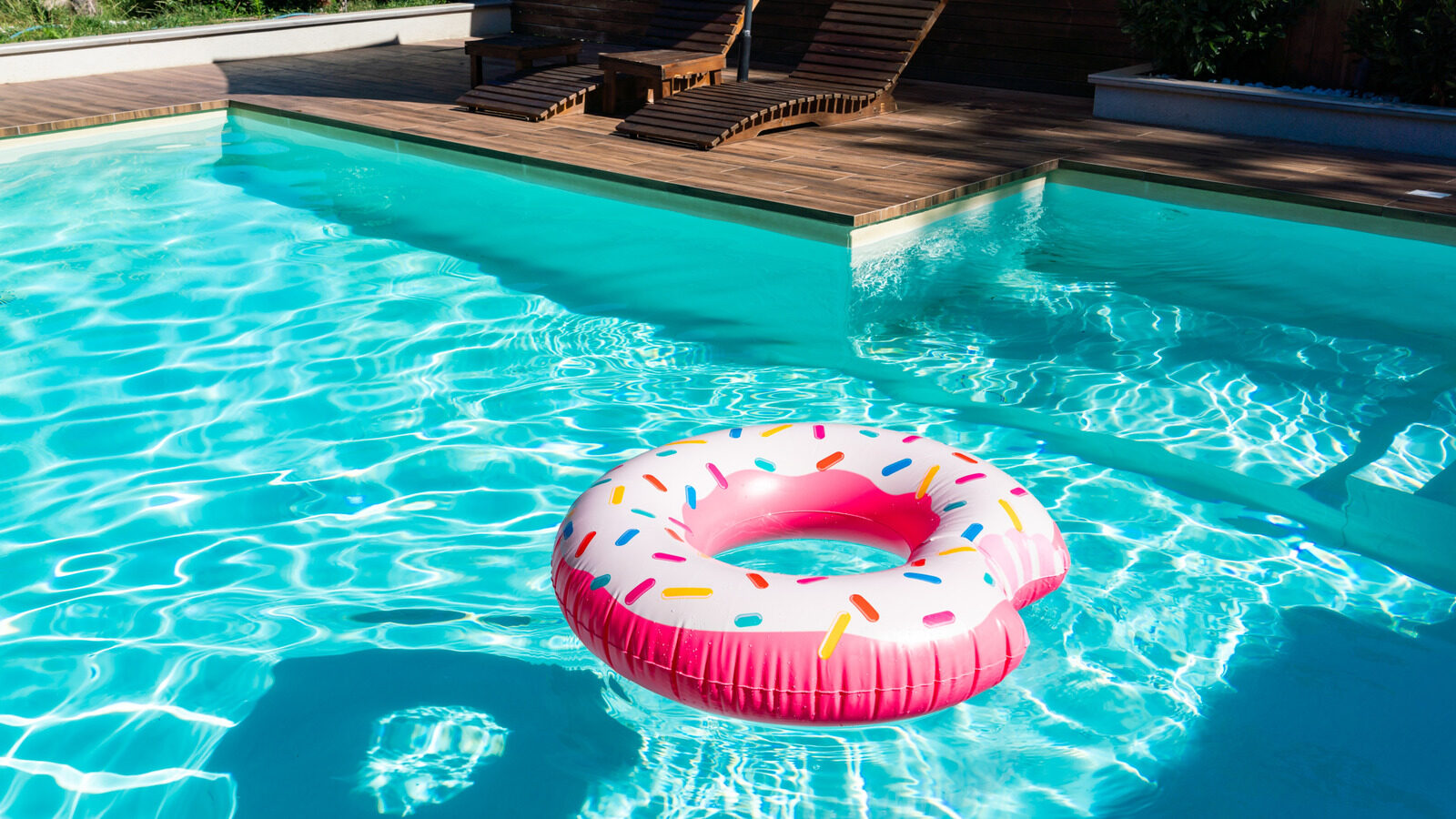
The refreshing sensation of a swim on a hot day often comes with an unexpected and sometimes unpleasant surprise: the smell commonly associated with swimming pools. While people frequently attribute this odor to chlorine, the reality is far more complex and perhaps a bit gross. What lies beneath that familiar scent is a chemical reaction that not only affects the air we breathe but may also have implications for our health. Let’s dive deeper into the science behind that distinctive pool smell and what it means for swimmers everywhere.
The misconception of chlorine smell
When you step into a swimming pool, the first thing that usually hits you is the distinctive smell often described as chlorine. This odor, however, is misleading. Chlorine itself has a relatively mild scent, akin to bleach, but the overpowering aroma we encounter is primarily due to chloramines. These are chemical compounds formed when chlorine interacts with organic substances, particularly human sweat and urine.
In essence, when you hear someone say, “It smells like chlorine,” they are actually referring to the presence of chloramines. These compounds, which include monochloramine, dichloramine, and trichloramine, arise from the reaction between chlorine disinfectants and ammonia found in body fluids. Notably, the more ammonia that is present, the more chloramines will form, leading to that potent pool odor.
How much urine is typically found in pools?
Surprisingly, almost every swimming pool contains some level of urine. A 2017 study from the University of Alberta found that even Olympic swimmers are not exempt from this habit. The research focused on the presence of an artificial sweetener called acesulfame potassium, which is not absorbed by the body and is excreted unchanged. The findings revealed that, on average, about 0.01% of pool water is urine. While this might seem like a small percentage, when combined with other contaminants like sweat and body oils, it can significantly impact water quality.
- This means that in a standard-sized pool, which holds about 50,000 gallons of water, there could be approximately 5 gallons of urine.
- The presence of urine not only contributes to the scent but also affects the chlorine’s ability to disinfect.
- A crowded pool on a hot day can exacerbate these issues due to increased sweating and urination.
Chlorine works by creating free available chlorine (FAC) to sanitize the water. However, when it binds with ammonia, it forms combined available chlorine (CAC), which is less effective as a disinfectant. Poor ventilation and high pool usage can further decrease the levels of FAC, leading to an accumulation of chloramines and that notorious smell.
Understanding chloramines and their health implications
The buildup of chloramines in swimming pools raises several health concerns for swimmers. Among these, trichloramine, also called nitrogen trichloride, is particularly problematic. This compound, while not explosive in water, is known to irritate the eyes and respiratory system. Many swimmers often experience discomfort, attributing red or itchy eyes to excessive chlorine; however, this is more indicative of insufficient free available chlorine.
Research indicates that the respiratory risks associated with chloramines extend beyond just swimmers. Lifeguards and maintenance staff, especially in indoor pools where air circulation is limited, are also at risk. A study published in Occupational and Environmental Medicine found significant links between indoor swimming pool exposure and respiratory issues, including asthma and allergic reactions.
- Chloramines can cause eye irritation and respiratory problems.
- High concentrations may lead to chronic respiratory issues for pool staff.
- Proper ventilation in indoor pools is crucial for minimizing exposure.
How to maintain a clean pool environment
Keeping swimming pools clean and minimizing the formation of chloramines is essential for ensuring a safe swimming experience. Here are some effective strategies:
- Shower before swimming: Rinsing off sweat and other bodily contaminants before entering the pool can significantly reduce the amount of organic matter that reacts with chlorine.
- Monitor pool usage: Keeping an eye on the number of swimmers can help manage the chlorine levels effectively.
- Regular water testing: Frequent tests for chlorine and pH levels can help maintain a balanced pool environment.
- Increase ventilation: For indoor pools, ensure proper air circulation to disperse chloramines and improve air quality.
By adopting these practices, pool operators can enhance the swimming experience and reduce health risks associated with chloramines.
Alternative disinfectants and their potential
With increasing awareness of the negative effects of chloramines, some pool owners are exploring alternative disinfectants. Options like ozone and ultraviolet (UV) light systems can help reduce the reliance on chlorine while maintaining water quality. Both methods can effectively destroy organic contaminants and minimize chloramine production.
- Ozone: Acts as a powerful oxidizer that can kill bacteria and viruses without leaving harmful byproducts.
- UV Light: Disinfects water by exposing it to ultraviolet radiation, which is effective against pathogens.
- Saltwater systems: Generate chlorine from salt, offering a more stable and pleasant swimming environment.
While these alternatives can be effective, they often require additional management and investment. However, they present a promising avenue for improving pool safety and comfort.
The role of public awareness in pool hygiene
Ultimately, educating the public about pool hygiene is crucial for minimizing health risks associated with chloramines. Awareness campaigns can inform swimmers about the importance of personal hygiene before entering a pool. Simple actions such as showering and respecting pool rules can significantly enhance the overall swimming experience.
As more people understand the implications of their actions in communal swimming environments, it may lead to cleaner pools and healthier swimming practices across the board.