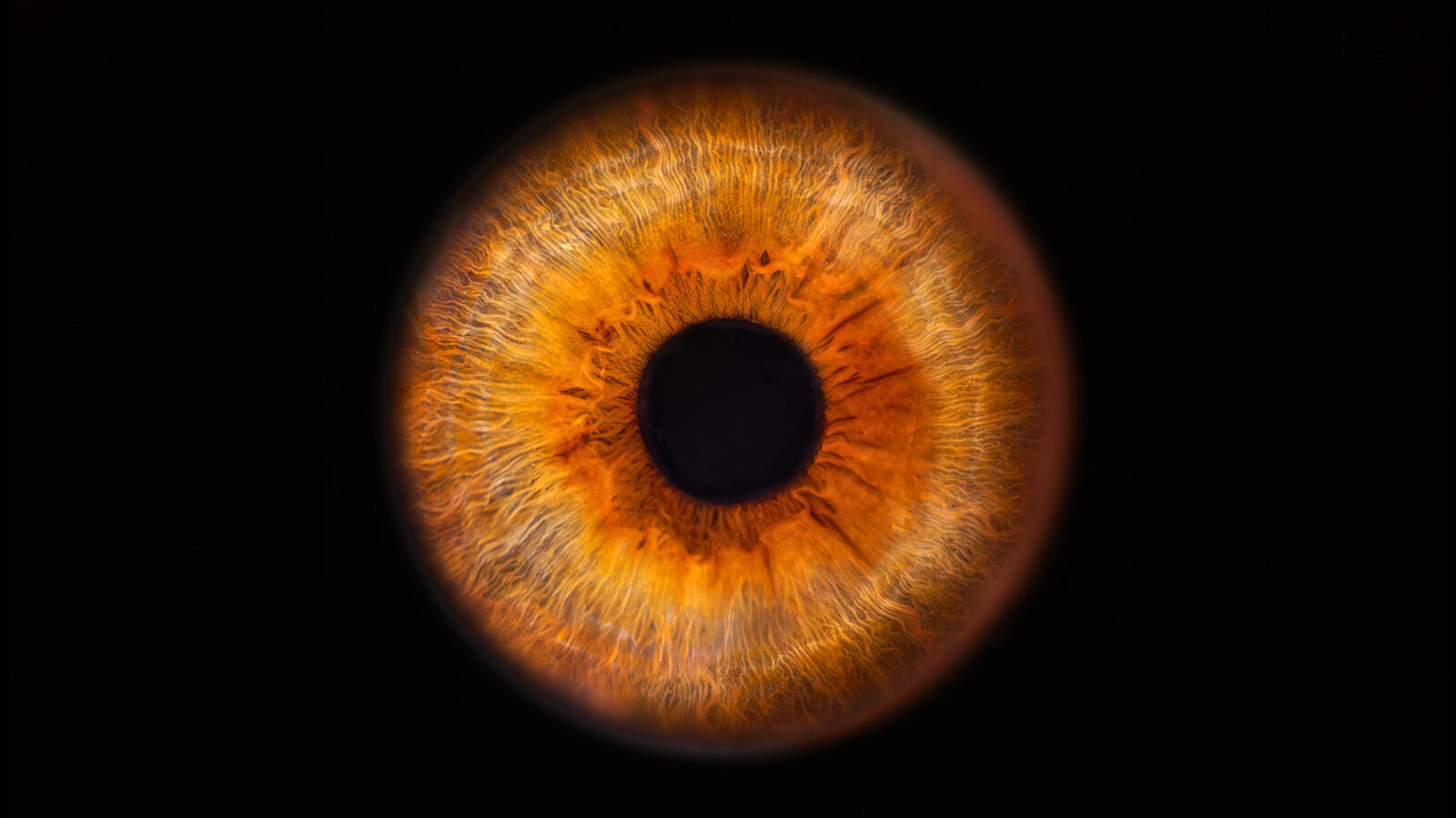
If you’ve ever found yourself able to blur your vision on command, you may be part of a unique group. This ability, known as an intentional divergent squint, is quite rare and is experienced by only about 50% of the population. For those unfamiliar with it, the concept might seem strange, but it opens a fascinating window into how our eyes work and the diverse ways in which humans interact with the world.
Understanding the mechanics behind vision is crucial not only for appreciating this trait but also for recognizing its implications for daily life and artistic endeavors. This article delves into the intricacies of this eye trait, its physiological underpinnings, and the potential benefits and drawbacks associated with it.
Understanding the mechanics of vision
Vision is a complex process that begins when light enters the eye through the pupil. This light then travels through the lens, which focuses it onto the retina at the back of the eye. The retina is a vital component that translates light into neural signals, which are then sent to the brain for interpretation. Several elements play a crucial role in this process:
- Pupil: The opening that controls the amount of light entering the eye.
- Lens: A flexible structure that adjusts its shape to focus light correctly.
- Ciliary muscles: Ring-shaped muscles that control the shape of the lens, allowing it to focus on objects at varying distances.
- Retina: A light-sensitive layer that converts light into electrical signals.
The interaction between these components is what allows us to see clearly. When the ciliary muscles contract, they pull the lens into a more rounded shape, focusing light sharply on the retina, which is essential for seeing objects that are close up. Conversely, when these muscles relax, the lens flattens, resulting in a less precise focus and potentially blurry vision.
What is an intentional divergent squint?
The intentional divergent squint is a fascinating phenomenon where individuals can voluntarily relax their ciliary muscles, causing their eyes to unfocus. This is often described as the opposite of cross-eyed vision, where the eyes drift slightly apart. This ability allows some people to blur their vision on purpose, which can offer various benefits, particularly in creative contexts.
For artists, the intentional divergent squint can serve as a tool to gain a fresh perspective on their work. By blurring their direct line of sight, they can enhance their peripheral vision, allowing them to observe shapes, colors, and forms that might otherwise go unnoticed. This technique can inspire new ideas and foster innovative approaches to artistic expression.
Potential benefits of an intentional divergent squint
While there might not be a practical necessity for this ability, it does provide several advantages for those who possess it:
- Mental focus: Blurring vision can help some users concentrate better by reducing distractions.
- Enhanced creativity: Artists often use this technique to see their work from a new angle, leading to innovative solutions.
- Peripheral clarity: By unfocusing the central vision, individuals may better notice objects and movements in their periphery.
These benefits illustrate how a seemingly simple trait can have profound implications for creativity and cognitive processes. However, it is essential to acknowledge the potential downsides of this ability.
Risks and drawbacks of unfocusing vision
Despite its potential advantages, there are inherent risks associated with frequently using an intentional divergent squint:
- Eye strain: Constantly relaxing the ciliary muscles can lead to fatigue and strain, potentially causing discomfort.
- Blurry vision: Over time, excessive use of this ability may lead to difficulties focusing even when not intentionally unfocused.
- Accommodative dysfunction: A smaller subset of individuals may experience involuntary unfocusing, where the ciliary muscles fail to contract properly, leading to blurred vision.
Such issues highlight the importance of moderation and awareness when employing this unique trait. For those who can voluntarily unfocus their eyes, balancing this ability with proper eye care is crucial to maintaining healthy vision.
Comparing intentional divergent squint to accommodative dysfunction
It’s important to differentiate between intentional divergent squint and accommodative dysfunction, as both involve the ciliary muscles but manifest in different ways:
| Feature | Intentional Divergent Squint | Accommodative Dysfunction |
|---|---|---|
| Nature of control | Voluntary | Involuntary |
| Frequency of occurrence | About 50% of the population | Smaller subset, varies by individual |
| Impact on vision | Can lead to temporary blur; manageable | May cause chronic blurred vision and fatigue |
| Potential remedies | Awareness and moderation | Corrective lenses or therapy |
Recognizing these differences is vital for individuals struggling with vision issues. People with accommodative dysfunction may benefit from corrective lenses or other treatments to alleviate their symptoms.
The broader implications of vision traits
The ability to intentionally unfocus one’s vision is just one example of the fascinating diversity found within human physiology. Exploring such traits can deepen our understanding of how different people perceive the world and may even offer insights into cognitive processes.
Research into these unique vision traits can lead to advancements in vision science, therapy techniques, and the development of tools that enhance creative processes. As we learn more about how our eyes work and the various ways they can be manipulated, we gain valuable insights into the complexities of human perception.
In conclusion, the intentional divergent squint is not just an oddity; it represents a unique intersection of eye physiology, creativity, and cognitive function. Whether you’re an artist seeking new perspectives or simply curious about the capabilities of your eyes, understanding this trait can enrich your appreciation of human vision.