When it comes to dinosaurs, few names evoke as much fascination as Stegosaurus. With its distinctive plates and spiked tail, this herbivorous giant captured the imagination of children and adults alike. But what exactly are those unique features on its back called? In this article, we will explore the anatomy of the Stegosaurus, its historical significance, and the various theories regarding the function of its striking plates.
The fascinating anatomy of Stegosaurus
The Stegosaurus, a member of the late Jurassic period, is renowned for its distinctive physical traits. This dinosaur, which lived approximately 155 to 150 million years ago, stood out not just for its size but also for its extraordinary body structure. The Stegosaurus could weigh between 5,000 to 7,000 pounds and reach lengths of about 30 feet.
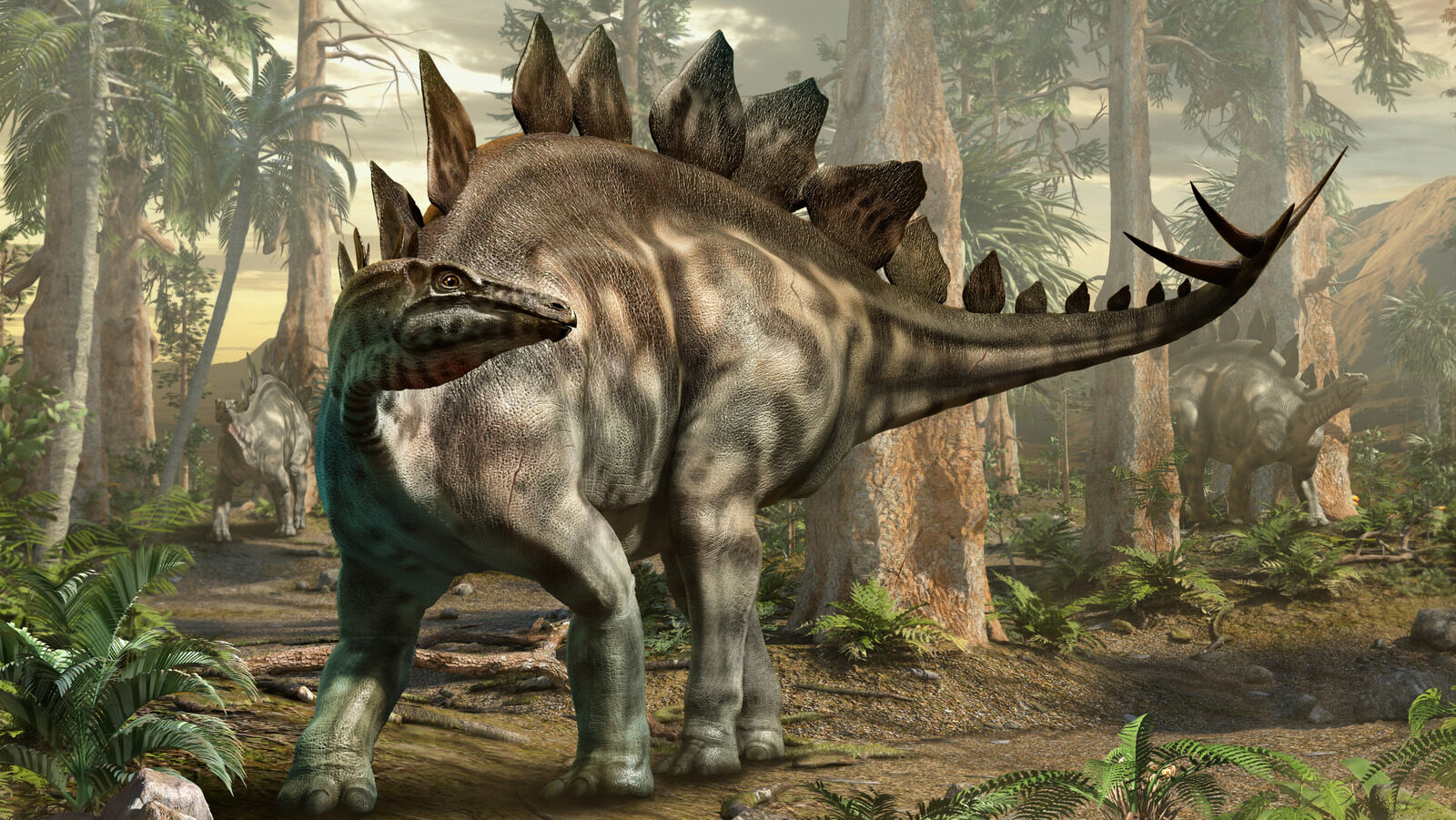
One of the most captivating elements of the Stegosaurus is its unique arrangement of bony plates. These plates, often referred to as “scutes,” were not just a random feature but served various potential purposes that scientists continue to investigate today.
The real name of Stegosaurus plates
While many may colloquially refer to them as “plates,” the scientific term for these structures is actually “scutes.” The term “scute” is derived from the Latin word “scutum,” meaning shield, which aptly describes their protective role. These scutes were arranged in two rows along the back and tail of the Stegosaurus, providing a distinctive silhouette.
The etymology of the name Stegosaurus itself—derived from the Greek words “stege,” meaning roof, and “sauros,” meaning lizard—reflects early interpretations of the dinosaur’s anatomy. Paleontologist Othniel Charles Marsh first described the Stegosaurus in 1877 based on fossils he received from the collector Arthur Lakes. Marsh believed the plates lay flat, resembling a roof, which led to the name.
However, modern paleontological research suggests a different orientation for these plates. Instead of lying flat, they likely stood upright and protruded from the skin, suggesting a more complex role than mere protection.
Functions of the scutes
Scientists have proposed several theories regarding the purpose of the Stegosaurus’s scutes. The functions of these intriguing features may include:
- Defense: One of the primary roles attributed to the scutes is defense against predators. While they were relatively thin and contained blood vessels, their size could deter smaller carnivores.
- Thermoregulation: Some researchers suggest that the blood vessels within the scutes could facilitate temperature regulation, helping the Stegosaurus maintain a stable internal temperature in varying climates.
- Display: The plates may have had a role in communication or display. The distinct arrangement and size of the scutes could have helped individuals recognize each other or signal their fitness to potential mates.
- Intimidation: The imposing appearance of the scutes could have served as a visual deterrent against larger predators, adding an intimidation factor to their defense strategy.
Comparison with other dinosaurs
To fully appreciate the unique attributes of the Stegosaurus, it is useful to compare it with other dinosaurs of its time. For instance:
| Feature | Stegosaurus | Triceratops | Tyrannosaurus Rex |
|---|---|---|---|
| Diet | Herbivore | Herbivore | Carnivore |
| Distinctive Features | Plates and spikes | Horns and frill | Powerful jaws and claws |
| Era | Late Jurassic | Late Cretaceous | Late Cretaceous |
While both Stegosaurus and Triceratops were herbivores, the latter is known for its impressive horns and frill, which served different defensive and display purposes. On the other hand, the T. Rex, a formidable carnivore, showcases a completely different set of adaptations suited for hunting.
The legacy of Stegosaurus in popular culture
The Stegosaurus has made a lasting imprint not only in scientific circles but also in popular culture. Its distinctive plates and overall silhouette have made it a staple in children’s books, movies, and toys. In animated films and documentaries, the Stegosaurus often appears alongside other dinosaurs, highlighting its unique characteristics.
This popularity has also led to an enduring fascination with paleontology among young audiences, inspiring future generations of scientists, artists, and storytellers. Its presence in various media perpetuates interest in dinosaurs and the prehistoric world.
Future research on Stegosaurus
As advancements in technology continue to enhance our understanding of paleontology, researchers are increasingly examining Stegosaurus fossils to uncover new insights. Techniques such as CT scanning and 3D modeling are providing deeper insights into the anatomy and possible behaviors of this iconic dinosaur.
Future studies may also explore the ecological role of the Stegosaurus within its habitat, looking at its interactions with other species and the environment during the Jurassic period. By piecing together these aspects, scientists hope to gain a more holistic view of this fascinating creature.
In conclusion, the Stegosaurus, with its unique scutes and iconic appearance, remains a symbol of the dinosaur age. As research advances, our understanding of its biology, behavior, and ecological role continues to evolve, ensuring that this remarkable dinosaur retains its place in both history and popular culture.