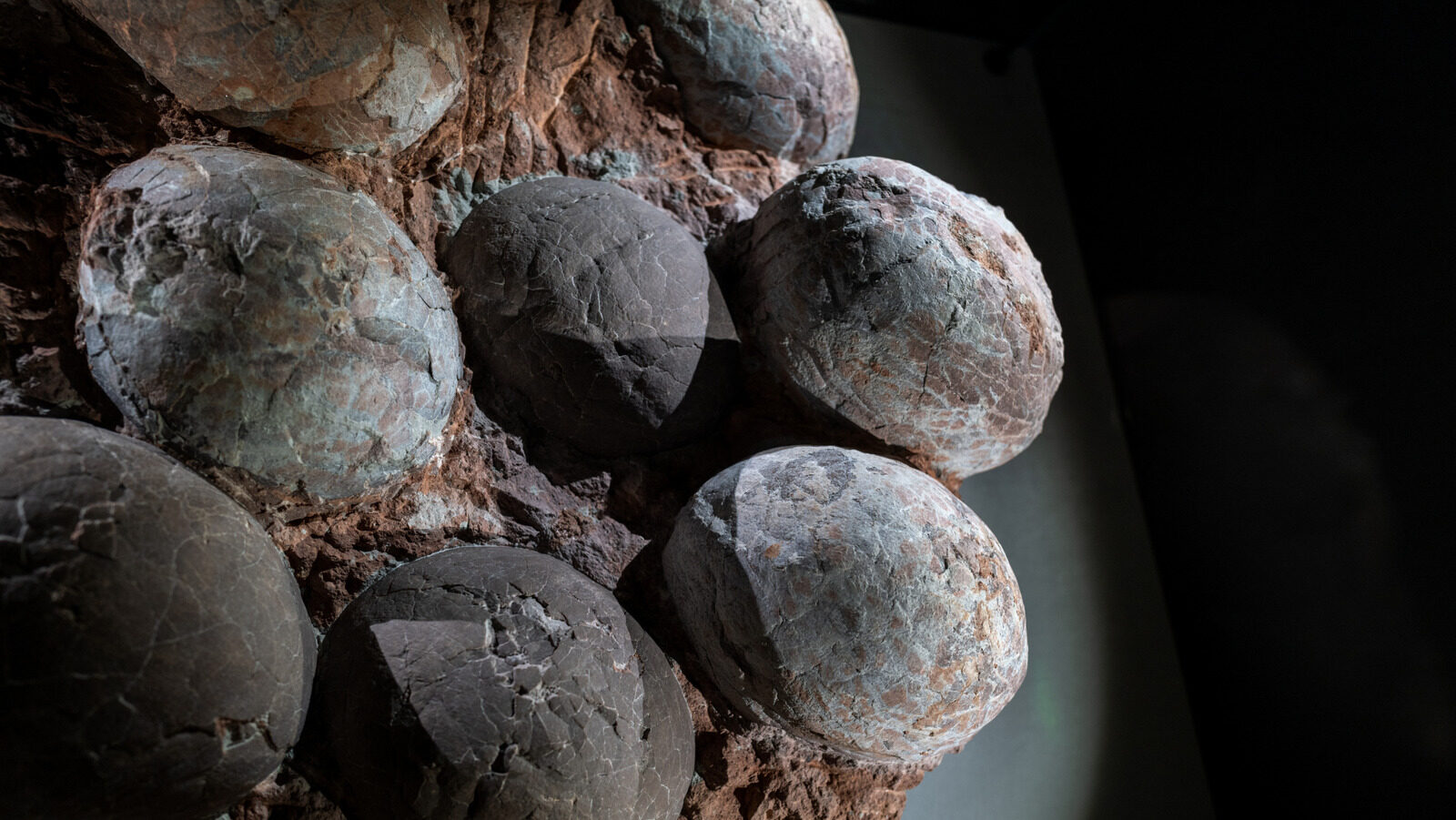
Dinosaurs have long captivated our imagination, and while their massive bones and fearsome appearances are often the focus of attention, the study of their eggs provides a unique insight into their reproductive habits and development. Exploring the characteristics of dinosaur eggs can reveal fascinating details about these ancient creatures, their environments, and their evolutionary ties to modern birds.
Through fossil evidence and scientific research, we can piece together the mysteries surrounding these eggs. From their various shapes and sizes to their intricate textures, dinosaur eggs tell a compelling story that connects us to a time when these magnificent creatures roamed the Earth.
Exploring the diverse shapes and sizes of dinosaur eggs
Dinosaur eggs were as varied as the dinosaurs themselves, showcasing a remarkable diversity in both shape and size. However, due to the fragmentary nature of most fossil finds, identifying the specific species that laid the eggs can be challenging. Paleontologists often rely on a classification approach known as parataxonomy, which categorizes egg specimens based on their shapes and physical characteristics.
Among the many fascinating examples of dinosaur eggs:
- Troodon eggs: These belonged to small, bird-like dinosaurs and were ovoid but elongated, resembling modern bird eggs.
- Hadrosaur eggs: Known as “duck-billed” dinosaurs, their eggs were nearly spherical, characterized by a uniform radius.
- Oviraptor eggs: Laid by theropods, these eggs had a distinct elongated shape, tapering toward one end.
While the size of dinosaur eggs can vary significantly even among closely related species, the largest discovered were the two-foot-long eggs of a giant Oviraptor. Surprisingly, body size does not always correlate with egg size; for example, some of the largest dinosaurs, like the sauropods, laid comparatively small eggs averaging around 3.3 pounds, similar to ostrich eggs. In contrast, tiny theropod eggs measuring just 1.18 inches were found in China, demonstrating the broad spectrum of sizes.
The intricate textures of dinosaur eggs: From rough to smooth
The fossilization process fundamentally alters the original texture and composition of organic materials, making it challenging to ascertain the true characteristics of dinosaur eggs. However, well-preserved specimens provide valuable insights into their textures.
Much like bird eggs, dinosaur eggshells had to be sturdy enough to protect the developing embryo while remaining delicate enough for the hatchling to emerge. The texture of these eggs varied widely:
- Hard yet fragile: Many dinosaur eggs had a hard exterior to protect the embryo.
- Pore distribution: Similar to bird eggs, dinosaur eggs had pores that facilitated the exchange of oxygen and moisture, influencing their overall texture.
- Bumpy surfaces: Some eggs were characterized by rough textures, such as the gritty surface of a titanosaur eggshell found in Argentina.
Research has shown that the evolution of dinosaur eggs can be complex. A 2020 study suggested that early dinosaur eggs may have resembled turtle eggs, featuring a softer outer shell that tore open during hatching rather than cracking. This finding highlights the uniqueness and diversity of dinosaur reproductive strategies.
The evolutionary connection between dinosaurs and modern birds
The fascinating relationship between dinosaurs and birds is underscored by the similarities in their reproductive systems and egg characteristics. Both groups are classified as amniotes, which are vertebrates whose embryos develop within a protective membrane. This shared evolutionary history allows scientists to draw meaningful comparisons and insights from the study of their eggs.
Genetic studies have revealed that many of the traits we associate with modern bird eggs were also present in their dinosaur ancestors:
- Coloration: Like bird eggs, many dinosaur eggs exhibited a range of colors, including blues, reds, and browns.
- Patterns: Just as with bird eggs, some dinosaur eggs were found with spotted or speckled patterns, adding to their visual diversity.
- Shape variations: The evolutionary paths of dinosaurs and birds led to the development of distinct egg shapes, influenced by the ecological niches they occupied.
This connection not only enriches our understanding of dinosaur biology but also sheds light on the evolutionary pressures that shaped the development of modern birds. For instance, the adaptation that gives bird eggs their unique coloration can be traced back to theropod dinosaurs, illustrating a direct lineage that links these two groups.
The significance of studying dinosaur eggs in paleontology
The study of dinosaur eggs plays a crucial role in paleontological research, providing insights into the behavior, environment, and evolution of these ancient creatures. By analyzing the fossilized remains of eggs, scientists can glean important information about:
- Reproductive behavior: The nesting habits and parental care of dinosaurs can be understood through the arrangement and condition of eggs in nests.
- Environmental conditions: The characteristics of eggs can indicate the climate and habitat in which the dinosaurs lived, offering a glimpse into prehistoric ecosystems.
- Developmental stages: Fossils of embryos within eggs can reveal details about the growth and development of dinosaurs before hatching.
The richness of data obtained from egg fossils helps to fill gaps in our understanding of the life cycles of dinosaurs and their adaptations over millions of years. As ongoing research continues to uncover new findings, the story of dinosaur eggs will undoubtedly become even more intricate and revealing.