Modern forensic analysis has confirmed that early Egyptian rulers were buried with human sacrifices, validating a century-old archaeological theory. Researchers studying remains from the Umm el-Qaab royal funerary complex in Abydos discovered that dozens of subjects were intentionally killed to accompany their pharaohs into the afterlife.
The Discovery of Subsidiary Burials in Abydos
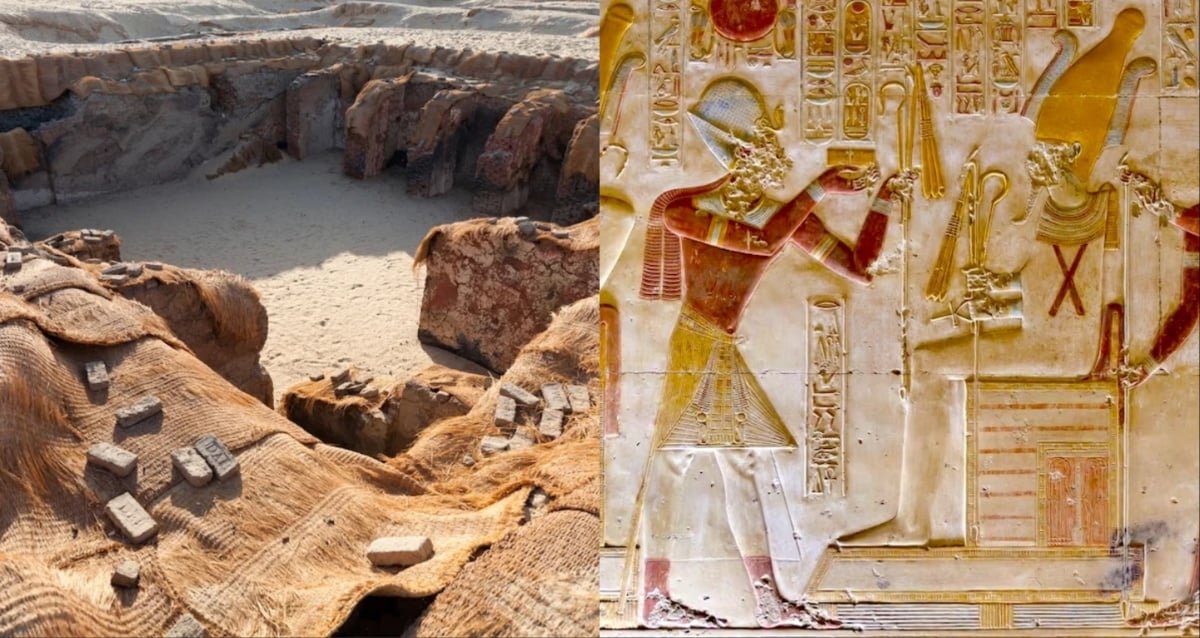
The royal tombs at Abydos were established around 3000 B.C.E. by the first pharaohs of a newly unified Egypt. These structures predated the Giza pyramids by approximately 500 years and consisted of royal tombs surrounded by a network of chamber tombs and ritual areas. Surrounding these central royal burials were numerous subsidiary graves.
These subsidiary burials were simple chambers arranged in rows. While some individuals were placed in basic coffins, most were buried with a limited selection of grave goods, including:
- Ceramic vessels
- Copper tools
- Projectile points
- Small ivory figurines
When Egyptologist Flinders Petrie first excavated the site in the 1920s, he found hundreds of these smaller graves. Some markers indicated that the deceased were low-level officials or artisans. Petrie suspected these individuals had been sacrificed because it seemed improbable that so many people would die of natural causes simultaneously; however, he lacked the physical evidence to prove it at the time.
Forensic Proof of Retainer Sacrifice
Recent research led by Dr. Roselyn Campbell has provided the definitive evidence Petrie sought. By applying modern forensic methods to 46 skulls from the Duckworth Collection at Cambridge University, Campbell identified lethal trauma that had previously been dismissed as post-mortem damage. According to a recent statement about her findings, the study revealed that 18 of the 46 skulls exhibited significant linear fractures.
These injuries occurred before death and likely caused rapid unconsciousness, internal bleeding, and subsequent death. The study, published in Frontiers in Environmental Archaeology, also noted specific instances of sharp-force trauma, such as a chopping injury to an eye and a penetrative wound to the side of a skull.
Did Egyptians Practice Human Sacrifice?
While later Egyptian history is more commonly associated with mummification and elaborate tombs for the elite, this forensic evidence confirms that retainer sacrifice was practiced during the early dynastic period. This practice involved the intentional killing of individuals close to the king to ensure they could serve him in the afterlife. The nature of their participation varied; some may have volunteered for the honor of eternal life, while others were likely forced into the practice.
Despite the clarity of the trauma, researchers have not yet identified the exact weapons used. The linear fractures suggest a flat, wide instrument, possibly made of wood, although the possibility of falls cannot be entirely ruled out. As noted in an interview with The Guardian, this is the first study to directly examine the human remains from these specific tombs to address the sacrifice debate.
Which civilizations had the most human sacrifices?
Human sacrifice was practiced across various global civilizations, most notably the Aztecs in Mesoamerica, who performed sacrifices on a massive scale for religious and political purposes. While the scale in early Egypt was smaller and focused specifically on royal retainers, it shares the common theme of offering lives to maintain cosmic order or serve a deity or ruler in the next world.
Did Egyptians build pyramids for all people who died?
No, pyramids were reserved exclusively for the pharaohs and occasionally high-ranking officials or royal family members. The vast majority of the population, including the artisans and officials found in the subsidiary burials at Abydos, were buried in much simpler graves or mastabas, reflecting the strict social hierarchy of ancient Egyptian society.