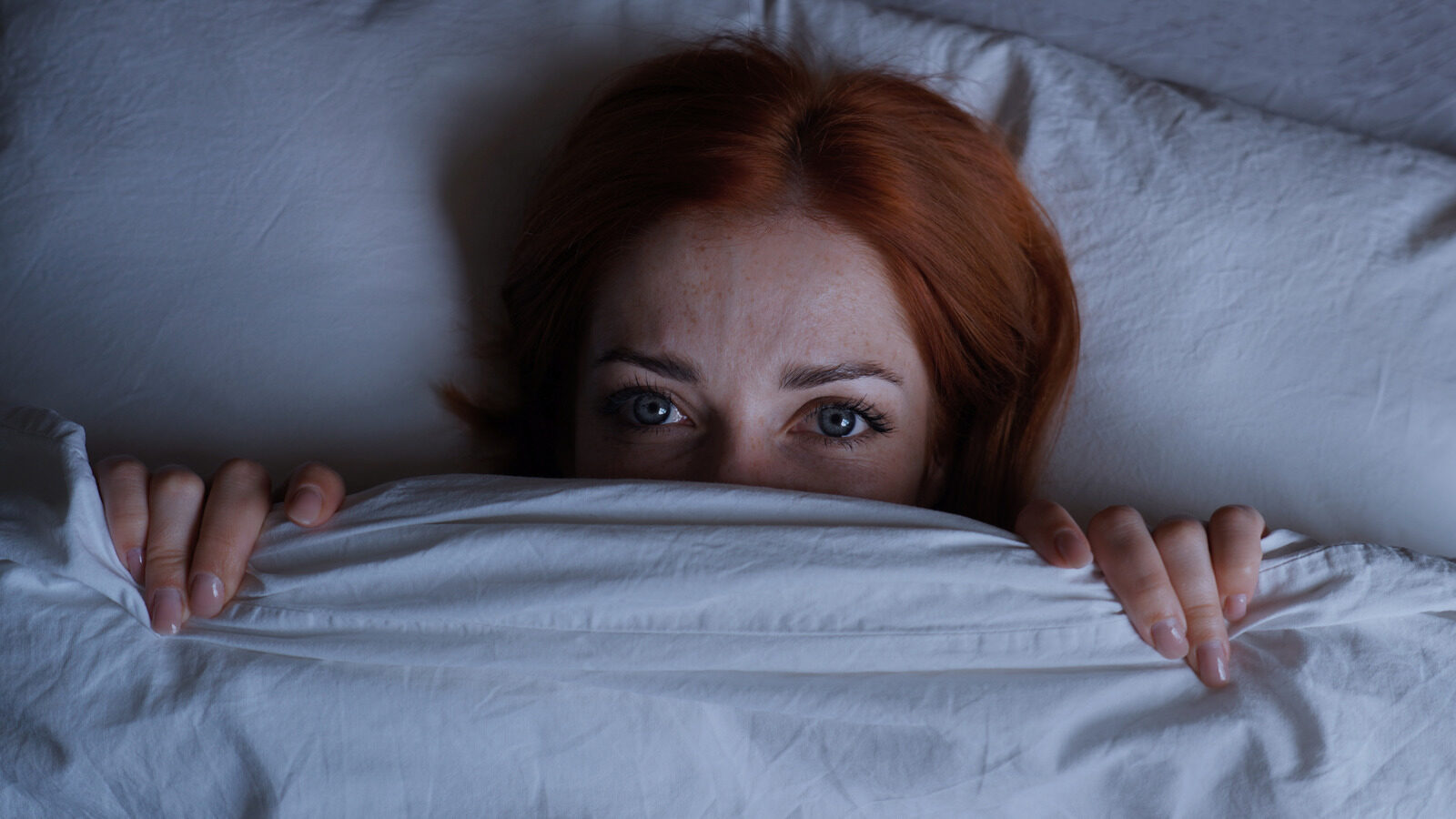
Have you ever been jolted awake by a sudden creak echoing through your home in the dead of night? You’re not alone. This phenomenon is common and can create quite an unsettling atmosphere. But before you consider calling for backup, let’s delve into the science behind these mysterious sounds and what they might indicate about your home’s structure.
Understanding Why Your House Creaks at Night
When the sun sets and temperatures drop, it’s not uncommon to hear your house creak and groan. This sounds like something otherworldly, but the reality is often much more mundane and scientifically explainable. Houses creak primarily due to the phenomenon known as thermal expansion and contraction.
As temperatures fluctuate, different materials in your home respond accordingly. Here’s how it works:
- Thermal Expansion: Materials like wood, steel, and concrete expand when heated.
- Contraction: Conversely, these materials contract when temperatures drop.
- Daily Fluctuations: The changes between day and night can lead to noticeable sounds as the structural components adjust.
During the winter months, these creaks can become more pronounced as the exterior parts of the house cool down significantly, while the foundation, often insulated by the ground, remains relatively stable. The interaction between a contracting frame and a stable foundation can produce that eerie sound of creaking.
Common Sources of Creaking Sounds
Beyond the general thermal expansion, there are several specific sources of creaking that homeowners should be aware of:
- Floorboards: Old or poorly installed floorboards can rub against each other, creating noise.
- Doors and Windows: Unaligned or improperly sealed doors and windows may rub against their frames.
- Structural Joints: Joints where different materials meet can produce creaks as they move.
- Insulation Settling: Settling insulation within walls can cause shifts leading to noises.
- Foundation Settling: Over time, foundations can shift, leading to creaks as the house adjusts.
Understanding the source of these sounds can help you differentiate between normal household noises and potential issues that may need attention.
When a Creaky House Becomes a Real Problem
While creaky noises are often harmless and merely a nuisance, they can sometimes indicate more serious underlying issues. Here are some signs that might suggest the need for a closer inspection:
- Frequent Cracking: If you start hearing cracks in addition to creaks, it might indicate structural issues.
- Visible Cracks: Look for cracks in the walls or foundation, which can signal serious problems.
- Doors and Windows Misalignment: If they no longer close or open smoothly, it could suggest shifting.
- Unusual Settling: If your home feels uneven or lists to one side, this may be a warning sign.
If you notice any of these warning signs, it’s advisable to consult with a professional who can assess the situation and determine whether repairs are necessary. Ignoring these signs could lead to more extensive damage and higher repair costs down the road.
Ways to Mitigate Creaking Noises
For many homeowners, the goal is to reduce the impact of these sounds rather than eliminate them completely. Here are some practical strategies to help minimize noise:
- Seal Gaps: Ensure all doors and windows are properly sealed to prevent drafts and minimize shifts.
- Use Rugs: Placing rugs on creaky floors can muffle the noise significantly.
- Regular Maintenance: Regular inspection and maintenance of structural elements can prevent excessive movement.
- Adjust Humidity: Keep indoor humidity levels stable, as excessive dryness can exacerbate creaking.
Implementing these measures can help create a quieter living environment and reduce the likelihood of unexpected noises startling you during the night.
The Psychological Impact of Creaking Noises
Interestingly, the psychological effects of hearing creaks can be significant. Our brains often jump to conclusions when faced with unfamiliar sounds, particularly in the stillness of night. This heightened state of awareness can lead to:
- Increased Anxiety: Many people feel anxious when hearing unexplained noises, especially if they are alone.
- Paranoia: Sounds can trigger thoughts of intruders or supernatural occurrences.
- Sleep Disturbance: Frequent creaking can lead to insomnia or disrupted sleep patterns.
Understanding the source of these noises and their impact on your mental state can help you manage your feelings and reactions when they occur.
Conclusion: Embracing the Sounds of Home
In summary, the creaking of your house at night is often a natural result of temperature changes affecting its structure. While these sounds can be unnerving, they are typically harmless. By understanding the science behind the noises and recognizing when they might signal a problem, you can create a more peaceful living environment and perhaps even learn to embrace the sounds of your home.