In the annals of American crime, few stories capture the imagination like that of the bank robbery that inspired the iconic film Dog Day Afternoon. The events that transpired on that fateful day in August 1972 in Brooklyn are not only entertaining but also poignant, revealing the complexities of love and desperation. This is more than just a robbery; it’s a tale of human emotion, social issues, and unexpected heroism.
The dramatic backdrop of ‘Dog Day Afternoon’
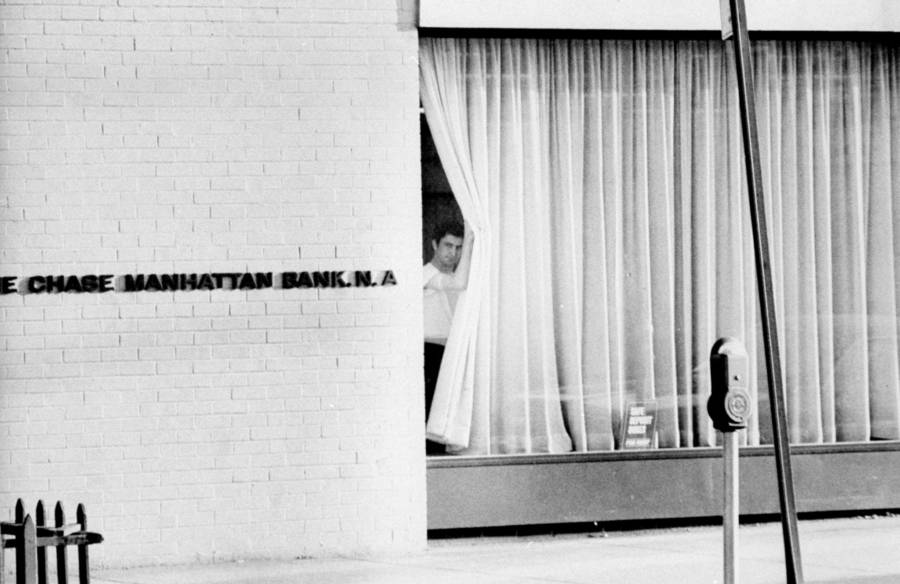
The true story of Dog Day Afternoon unfolded on August 22, 1972, when a seemingly ordinary Tuesday morphed into one of the most infamous bank heists in U.S. history. The robbery occurred at a Chase Manhattan Bank in the Gravesend neighborhood of Brooklyn, quickly escalating into a tense 14-hour hostage situation that captivated the attention of the nation.
While Hollywood often dramatizes events, this real-life incident was already saturated with drama. It began with a man named John Wojtowicz, whose motivations were as intricate as the crime itself.
John Wojtowicz: A man driven by love
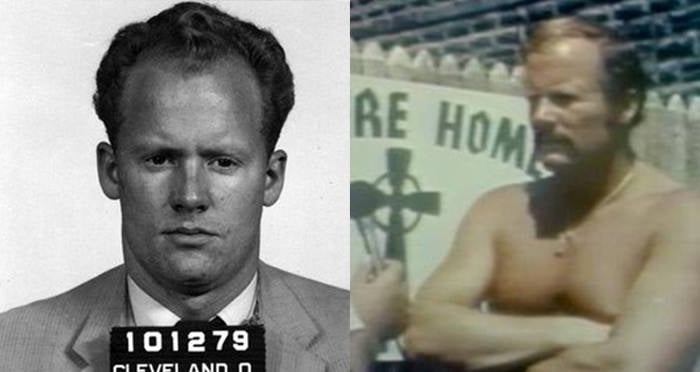
Wojtowicz was not your typical bank robber; he was a Vietnam veteran who had previously worked at a bank and was navigating his identity as a gay man. His life had taken a tumultuous turn after leaving his wife, Carmen Bifulco, with whom he had two children. Wojtowicz’s heart had found a new home with Elizabeth Eden, a trans woman whose struggle for acceptance and identity became the catalyst for the robbery.
In December 1971, despite the legal prohibitions against same-sex marriage, Wojtowicz and Eden had a symbolic wedding ceremony. Yet, their relationship was fraught with challenges, particularly concerning Eden’s desire for gender-affirming surgery. The couple faced both social stigma and financial barriers, adding layers of urgency to their situation.
In a heartbreaking turn of events, in August 1972, Eden attempted suicide, which led Wojtowicz to believe that robbing a bank was the only means to secure the funds necessary for her surgery. His misguided but passionate decision set the stage for a day that would change their lives forever.
The failed robbery: Chaos from the start
On the day of the heist, Wojtowicz partnered with Salvatore Naturile and Robert Westenberg. However, their initial attempts were anything but smooth. The trio faced several setbacks, including dropping a gun and being recognized by a family friend during a prior attempt.
After a moment of indecision and even a break to watch The Godfather, they decided to target the Chase Manhattan Bank. Westenberg ultimately backed out, leaving Wojtowicz and Naturile to execute the robbery. Armed with a note declaring, “This is an offer you can’t refuse,” they entered the bank, unwittingly stepping into a chaotic situation.
Expecting to find a treasure trove of cash, they were instead met with a mere $38,000 in cash and $175,000 in travelers’ checks. To exacerbate their troubles, a teller had triggered the bank’s alarm, leading to an immediate police response.
The chaotic standoff
As the police surrounded the bank, the atmosphere outside turned electric. Approximately 2,000 spectators gathered, treating the unfolding drama as a live spectacle. Wojtowicz, feeling a strange sense of control amidst the chaos, began interacting with the crowd and even threw cash into their midst, further complicating the narrative of a desperate criminal. Wojtowicz’s actions transformed a tense hostage situation into a bizarre public performance.
- He often stepped outside to engage with reporters and the crowd.
- Called radio stations to explain his motivations for the robbery.
- Distributed cash to cheering onlookers, adding a surreal element to the situation.
Inside the bank, hostages were initially terrified but soon began to see another side of Wojtowicz. He ordered pizza for them, offered explanations for his actions, and revealed his deep love for Eden. This unexpected humanity turned a criminal into a complex character, making it hard for hostages to view him solely as a villain.
The resolution: A tragic end to a surreal day
After more than 14 hours, the standoff reached its climax. Authorities agreed to Wojtowicz’s demands, bringing Elizabeth Eden to the bank. However, the situation was a carefully orchestrated trap. As they were ushered toward a getaway vehicle, it was revealed that the driver was actually an FBI agent—James Murphy.
As the vehicle pulled away, Murphy swiftly executed a plan that ended with Naturile being fatally shot and Wojtowicz surrendering. The aftermath of the robbery was equally tumultuous. Wojtowicz received a 20-year prison sentence but was released after serving only five years.
The legacy of John Wojtowicz and Elizabeth Eden
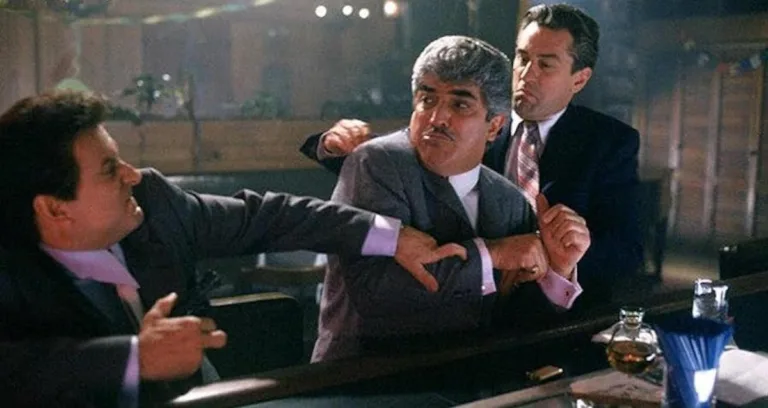
Despite the chaos, Wojtowicz’s actions had a lasting impact. Following his release, he sold the rights to his story, which ultimately became Dog Day Afternoon, released in 1975. This film, starring Al Pacino, not only brought the story to a broader audience but also highlighted the struggles faced by LGBTQ+ individuals during that time.
Meanwhile, Elizabeth Eden did eventually undergo gender-affirming surgery, a process made possible by the proceeds from Wojtowicz’s story. Tragically, she passed away in 1987 from AIDS-related pneumonia, leaving behind a legacy intertwined with issues of love, identity, and the quest for acceptance.
John Wojtowicz lived on until January 2, 2006, when he succumbed to cancer. His life story remains a poignant reminder of the complexities of human relationships and the lengths one may go to for love. Reflecting on his actions, he once stated, “I consider myself a romantic. If I had a dream and in that dream I saw everything that happened, would I still go out and do it? You’re damn right I’d still go out and do it.”
The cultural impact of ‘Dog Day Afternoon’
The events surrounding the robbery and its depiction in Dog Day Afternoon have had a lasting influence on both popular culture and the LGBTQ+ rights movement. The film not only dramatized the events but also highlighted themes of love, identity, and social justice, making it a powerful narrative that resonates to this day.
In contemporary discussions about representation, Wojtowicz’s story serves as a critical example of how media can shape perceptions of marginalized communities. The film remains an important reference point in conversations about LGBTQ+ rights and the portrayal of non-traditional relationships in Hollywood.
The lessons learned from an extraordinary event
While the robbery was undoubtedly a crime, it also opened dialogues about mental health, the struggles of the LGBTQ+ community, and the societal pressures faced by individuals in love. The motivations behind Wojtowicz’s actions reveal the complexities of human emotion and the often-unseen challenges that individuals face.
- The importance of mental health support and understanding.
- How societal acceptance can impact individual choices.
- The need for comprehensive discussions about identity and love.
Ultimately, the story behind Dog Day Afternoon transcends its sensational elements, reminding us of the profound intricacies of human relationships and the societal frameworks that shape our lives.