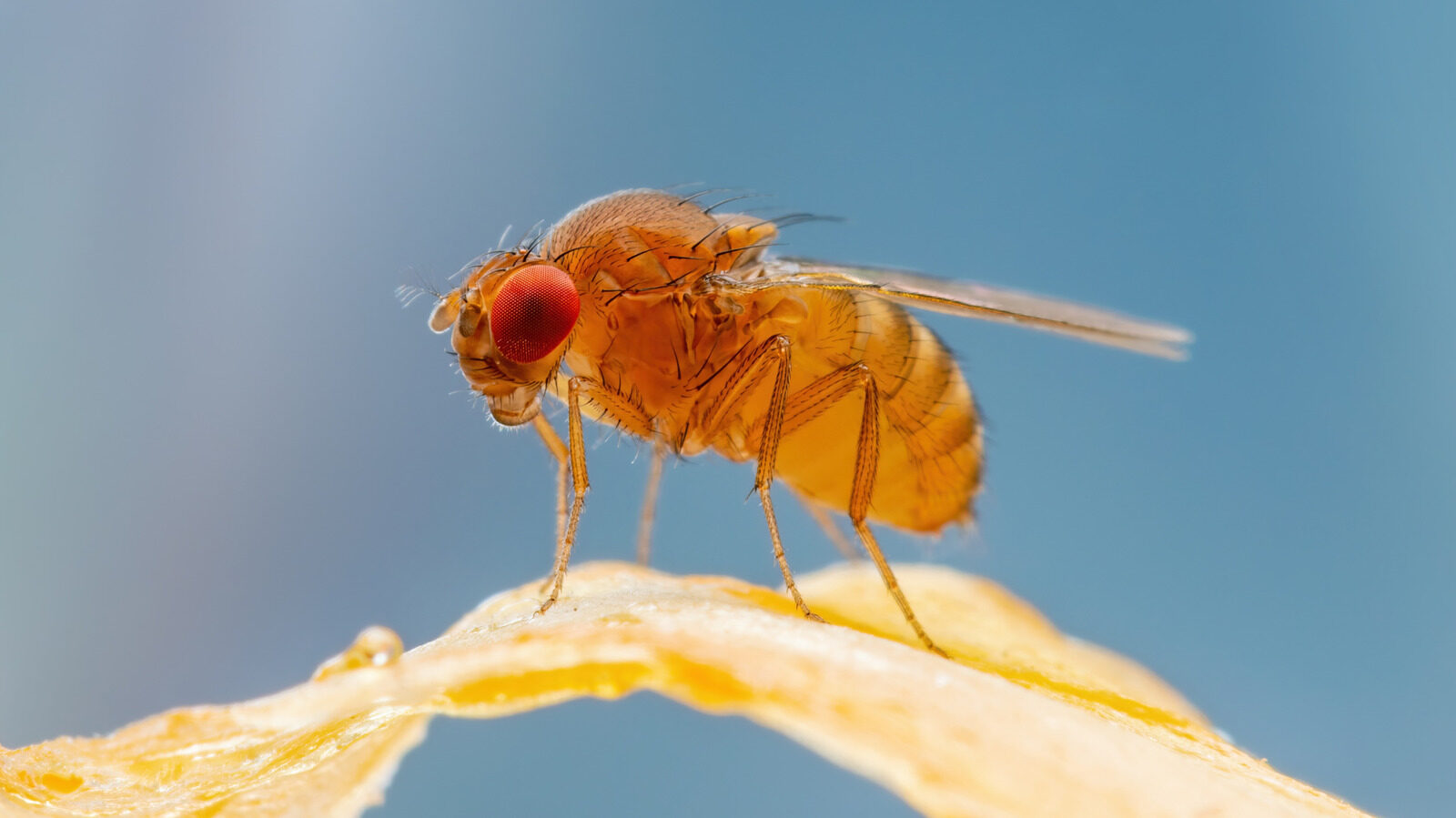
If you’ve ever found yourself irritated by pesky fruit flies buzzing around your kitchen, you’re not alone. These miniature pests can be a real nuisance, especially during warmer months when they seem to multiply overnight. Fortunately, there’s a simple and effective solution that you can create right at home using a mason jar. This DIY fruit fly trap is not only easy to make but also remarkably effective at controlling these annoying insects.
In this guide, we’ll explore how to make a fruit fly trap using a mason jar, discuss some tips for enhancing its effectiveness, and provide preventative measures to keep these flies from returning. Let’s dive into the details.
How to make a DIY fruit fly trap
Creating a fruit fly trap out of a mason jar is a straightforward project that requires minimal materials. To get started, gather the following items:
- A mason jar (or similar container)
- A nail and hammer (for making holes)
- Apple cider vinegar
- Dish soap
To construct the trap, follow these steps:
- Use the hammer and nail to create about six small holes in the lid of the mason jar. These holes should be large enough for fruit flies to enter but not so large that they can easily escape.
- Pour in approximately ¼ cup of apple cider vinegar. The scent of the vinegar mimics that of fermenting fruit, which attracts the flies.
- Add a few drops of dish soap to the vinegar. The soap breaks the surface tension, causing the flies to drown once they land in the liquid.
- Secure the lid back onto the jar.
By following these simple instructions, you’ll have an effective trap that lures and captures fruit flies in no time!
Adjustments to the DIY mason jar fruit fly trap
While the basic mason jar trap works well, there are several adjustments you can make to enhance its effectiveness or simplify the process:
- If using a hammer and nail feels daunting, consider substituting the metal lid with a layer of plastic wrap or aluminum foil. Secure it with the lid’s band and use a toothpick to create holes.
- Some users have reported success without a lid at all. Simply fill the jar with the vinegar and soap mixture, allowing the flies to enter freely.
- For those opting not to use dish soap, you can cover the jar with foil or plastic, ensuring that the holes do not align with the ones in the original lid. This method allows flies to enter while making it difficult for them to escape.
Experimenting with these adjustments can lead to an even more effective homemade trap tailored to your needs.
How to prevent fruit flies from coming back
While trapping fruit flies is a good short-term solution, the best defense is a proactive approach to prevention. Here are some strategies to keep fruit flies at bay:
- Regularly remove any overripe or rotting fruits and vegetables from your home, as these are prime breeding grounds.
- Keep your kitchen clean and dry. Dispose of food waste promptly and ensure that garbage cans are sealed.
- Rinse out bottles and cans before recycling them to eliminate residual sugars that attract fruit flies.
- Inspect produce for any signs of fruit fly eggs or larvae and wash them before storing. Consider refrigerating items that are particularly vulnerable.
- Maintain cleanliness in your kitchen, including sink drains and garbage disposals, where food particles can accumulate.
Implementing these preventive measures will significantly reduce the likelihood of fruit flies returning to invade your space.
Understanding fruit fly behavior
To effectively manage a fruit fly infestation, it’s helpful to understand their behavior and breeding cycles. Here’s what you should know:
- Fruit flies are attracted to fermenting substances, so any leftover food or spills can entice them.
- These flies typically breed in moist areas with access to food, with females laying hundreds of eggs at a time.
- Their life cycle is remarkably short, with eggs hatching within a day or two, leading to rapid population growth.
By understanding their habits, you can be more vigilant in your cleaning and preventive efforts.
Additional homemade fruit fly traps
If you’re looking for alternatives to the mason jar trap, consider these other DIY methods:
- Bowl and plastic wrap trap: Fill a bowl with apple cider vinegar and cover it tightly with plastic wrap. Poke small holes in the wrap for flies to enter.
- Wine trap: Pour leftover wine into a container. The scent will attract flies, and they will drown in the liquid.
- Fruit trap: Place overripe fruit in a jar, cover it with plastic wrap, and poke holes in the wrap. Flies will be drawn to the fruit and unable to escape.
These alternatives can be just as effective and may suit different preferences or materials you have on hand.
When to seek professional help
In most cases, DIY traps and preventive measures will help manage fruit fly populations. However, if you find that the infestation persists despite your best efforts, it may be time to consider professional pest control services. Indicators that you may need assistance include:
- A significant increase in fruit fly numbers despite traps.
- Fruit flies appearing in areas outside the kitchen, indicating a more extensive infestation.
- Difficulty identifying or removing potential breeding sites in your home.
Professional pest control experts can assess the situation and provide targeted solutions to eliminate the problem effectively.