The microscopic world is full of astonishing secrets, and one of the most remarkable entities within it is a bacterium that defies our understanding of resilience. Known as Deinococcus radiodurans, this minuscule organism has earned the nickname “Conan the Bacterium” due to its extraordinary ability to survive extreme conditions that would be lethal to most life forms. Understanding this bacterium could not only enhance our knowledge of microbial life but also lead to advancements in human health and technology.
From high radiation levels to extreme dehydration, Deinococcus radiodurans showcases an impressive array of survival strategies. In this article, we will delve into the fascinating characteristics of this bacterium, explore its potential applications, and discuss what makes it a key player in the study of resilience in biology.
Understanding Deinococcus radiodurans: The Indestructible Bacterium
Discovered accidentally in the 1950s by American scientists studying canned meat, Deinococcus radiodurans quickly garnered attention for its astonishing resilience. It was found to have survived high doses of ionizing radiation, leading to its classification as the most radioresistant organism known to science. But what exactly makes D. radiodurans so tough?
This bacterium can endure radiation levels reaching 1.5 million rads—about 3,000 times the lethal dose for humans. Its exceptional capabilities extend beyond radiation resistance; it can also withstand extreme temperatures, desiccation, and oxidative stress, making it a true poly-extremophile.
The resilience of D. radiodurans can be attributed to several key factors:
- Cell Wall Structure: Its unique cell wall composition helps protect against radiation and environmental stress.
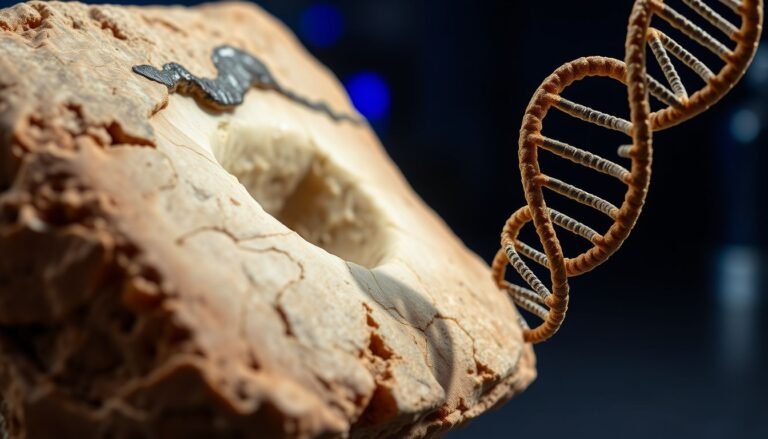
- DNA Repair Mechanisms: D. radiodurans has a highly efficient DNA repair system, allowing it to quickly mend any damage caused by radiation.
- Antioxidant Defense: The bacterium possesses powerful antioxidant enzymes that help neutralize harmful reactive oxygen species.
Researchers have dedicated decades to understanding these mechanisms, which not only reveal the tenacity of life in extreme conditions but also provide insights into potential applications in biotechnology and medicine.
Deinococcus radiodurans: A Model for Resilience Research
The study of D. radiodurans has implications that extend far beyond microbiology. By uncovering the secrets behind its resilience, scientists hope to develop strategies for protecting human cells from radiation damage. This is particularly relevant in fields such as cancer therapy, where radiation is commonly used to target tumors but can also harm healthy tissues.
In a groundbreaking 2024 study published in the journal Proceedings of the National Academy of Sciences, researchers identified three essential components within D. radiodurans that contribute to its remarkable resilience:
- Manganese Ions: These elements play a critical role in the bacterium’s antioxidant defense.
- Phosphate: This compound is essential for various biochemical processes, including energy transfer and signaling.
- Peptides: These short chains of amino acids work in conjunction with manganese and phosphate to form a unique antioxidant complex.
Understanding how these components interact to create a greater protective effect may lead to novel approaches to enhance human tolerance to radiation, particularly for astronauts exposed to cosmic radiation during space missions.
Potential Applications of Deinococcus radiodurans in Biotechnology
The resilience of D. radiodurans opens a myriad of potential applications in biotechnology and environmental science. Some of the most promising areas include:
- Bioremediation: Its ability to survive in contaminated environments makes it an excellent candidate for cleaning up radioactive waste and other hazardous materials.
- Medical Advances: Research on its DNA repair mechanisms could lead to improvements in cancer therapies and treatments for radiation exposure.
- Astronaut Safety: The insights gained from D. radiodurans may help develop protective measures for astronauts facing high radiation levels in space.
As scientists continue to explore the capabilities of this remarkable bacterium, we can expect to see innovative solutions to some of humanity’s most pressing challenges.
Lessons from the Microcosm: What D. radiodurans Teaches Us
The study of Deinococcus radiodurans not only reveals the resilience of life but also underscores broader lessons about survival and adaptability. In a world increasingly facing extreme environmental conditions—whether due to climate change, pollution, or other factors—the mechanisms employed by this bacterium can inspire resilience in other forms of life.
For example, understanding how D. radiodurans repairs its DNA may lead to new methods for enhancing resilience in crops, making them more robust against drought and disease. The biotechnological applications of this research extend to:
- Developing crops with improved stress tolerance.
- Creating synthetic antioxidants for various applications.
- Innovating materials that can withstand extreme conditions.
Furthermore, the study of such extremophiles encourages a broader appreciation for biodiversity and the incredible adaptations that have evolved over millions of years.
Future Directions in Research on Deinococcus radiodurans
As we continue to unravel the complexities of D. radiodurans, several areas of research remain ripe for exploration:
- Genomic Studies: Sequencing its genome may reveal more about the genetic basis of its resilience.
- Protein Function Analyses: Investigating the specific roles of proteins involved in stress resistance could lead to practical applications.
- Environmental Impact Studies: Understanding how D. radiodurans interacts with its ecosystem can provide insights into microbial ecology.
The ongoing research into this indestructible bacterium not only deepens our understanding of microbial life but also holds the promise of transformative advances in various fields. By studying organisms like Deinococcus radiodurans, we gain valuable perspectives on resilience, survival, and the adaptability of life itself.