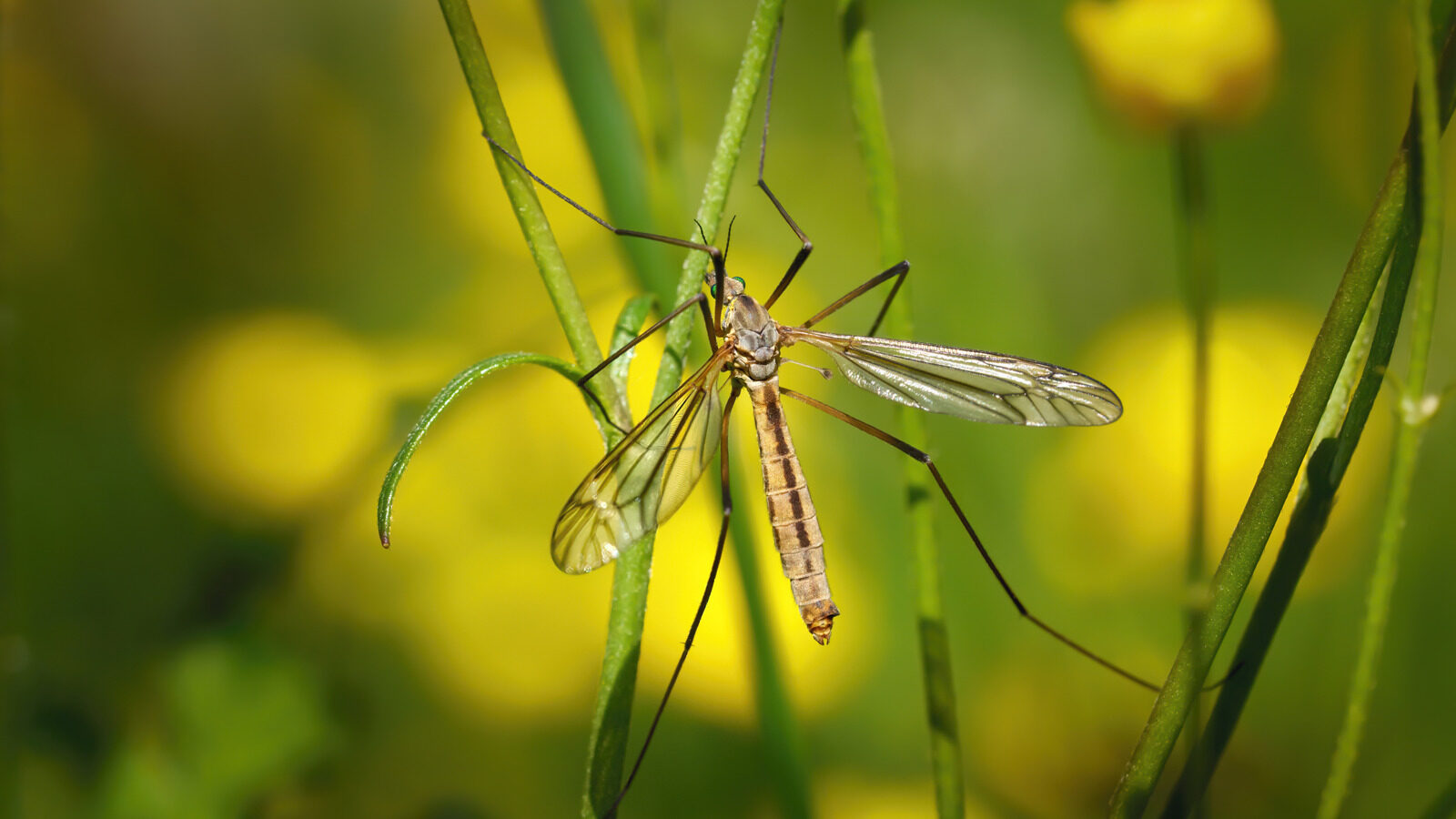
Have you ever encountered a large, gangly insect buzzing around your backyard and thought it was a mosquito? You’re not alone! Many people mistake crane flies for giant mosquitoes due to their striking resemblance. Understanding these fascinating creatures can enhance our appreciation for the intricate roles they play in the ecosystem. Let’s dive in and learn more about crane flies and their significance.
Understanding crane flies and their characteristics
Crane flies belong to the family Tipulidae and are often mistaken for mosquitoes due to their long legs and slender bodies. However, their resemblance is merely superficial. With a wingspan that can reach up to 2.5 inches and a body that can appear almost delicate, crane flies are unique insects with distinct life cycles. Often referred to as “daddy longlegs,” these creatures are harmless to humans and do not bite or sting.
Crane flies fall under the order Diptera, which they share with true flies and mosquitoes. While there are around 15,000 species of crane flies globally, their behavior and habitat preferences can vary widely. Here are some of their notable characteristics:
- Non-biting: Unlike mosquitoes, crane flies do not feed on blood. Most adult crane flies do not eat at all, and their primary focus is reproduction.
- Short lifespan: The adult stage of a crane fly is brief, lasting only a few days to a couple of weeks.
- Larval stage: Known as “leatherjackets,” crane fly larvae can live for several years, feeding on decaying organic matter.
Why crane flies matter in the ecosystem
Despite their short adult lives, crane flies play a pivotal role in their ecosystems, particularly during their larval stage. The larvae are known as leatherjackets and are crucial decomposers. They thrive in moist environments, such as marshy grasslands and ponds, where they contribute to breaking down dead plant material. This process helps recycle nutrients back into the soil, promoting a healthy ecosystem.
Here are a few ways crane flies impact their environment:
- Nutrient recycling: By consuming decaying leaves and organic debris, crane fly larvae help enrich the soil.
- Food source: Both larvae and adults provide sustenance for a variety of predators, including birds, bats, and other insects.
- Indicator species: The presence of crane flies may indicate a healthy environment, as they thrive in ecosystems with rich organic material.
The lifecycle of crane flies
The lifecycle of a crane fly is fascinating and consists of several distinct stages: egg, larva (leatherjackets), pupa, and adult. Each phase plays a unique role in the development of these insects.
- Egg: Adult female crane flies lay their eggs in damp soil or near water sources. Depending on the species, several hundred eggs may be laid at once.
- Larva: After hatching, the larvae emerge and begin to feed on decaying organic matter, where they can remain for up to three years, depending on environmental conditions.
- Pupa: Eventually, the larvae undergo metamorphosis, transforming into pupae. This stage is a transitional phase before they become adults.
- Adult: Adult crane flies emerge from their pupal case, ready to mate and continue the lifecycle. They do not typically feed but may consume nectar or water.
Crane fly mating behaviors and myths
Crane fly mating rituals are unique and often misunderstood. When two crane flies meet, they join at the abdomen and may remain attached for an extended period, even flying together. This behavior is not only fascinating but also strategic, as it increases their chances of successful reproduction.
Here are some interesting facts about crane fly mating:
- Mass emergence: Crane flies often emerge in large numbers to overwhelm predators and increase the likelihood of finding a mate.
- Short-lived mating: After mating, the male typically dies shortly afterward, and the female dies after laying her eggs.
- Feeding habits: Adult crane flies do not eat like many other insects; they rely on energy stored from their larval stage.
Common misconceptions about crane flies
Due to their appearance, crane flies are often associated with mosquitoes, which leads to several misconceptions. Here are some of the most common myths regarding these intriguing insects:
- Mosquitoes: Many people believe crane flies are giant mosquitoes, but they are entirely different organisms and do not bite.
- Predatory behavior: While some larvae may consume mosquito larvae, most crane fly larvae are detritivores and do not actively hunt.
- Health risks: Crane flies pose no health risks to humans and are not vectors for disease like mosquitoes.
Encouraging healthy environments for crane flies
Creating a welcoming habitat for crane flies can benefit the local ecosystem. Here are some tips to encourage their presence:
- Avoid pesticides: The use of broad-spectrum pesticides can harm beneficial insects, including crane flies.
- Maintain moisture: Keeping areas of your garden damp can create an ideal environment for crane fly larvae.
- Diverse plant life: Planting a variety of native species can attract crane flies and other beneficial insects.
Understanding and appreciating crane flies can significantly enhance our relationship with nature. These fascinating insects contribute much more to our ecosystems than most people realize, playing essential roles as decomposers and food sources for other wildlife. The next time you spot a crane fly, consider its value and the intricate web of life it supports.