
In a fascinating intersection of art and science, a group of Japanese researchers undertook an unusual experiment that challenges our understanding of pest control in agriculture. By painting cows to resemble zebras, they aimed to explore a novel method to protect livestock from the torment of biting flies, a common nuisance that can significantly impact animal welfare and productivity. This innovative approach not only raises eyebrows but also highlights the importance of finding eco-friendly alternatives in pest management.
The study, conducted in 2019 at the Aichi Agricultural Research Center in Nagakute, Japan, aimed to find a better way to protect cattle from flies without relying on harmful chemicals. In this article, we will delve into the background of the problem, the methodology of the research, and the implications of these findings on agricultural practices.
The impact of biting flies on livestock
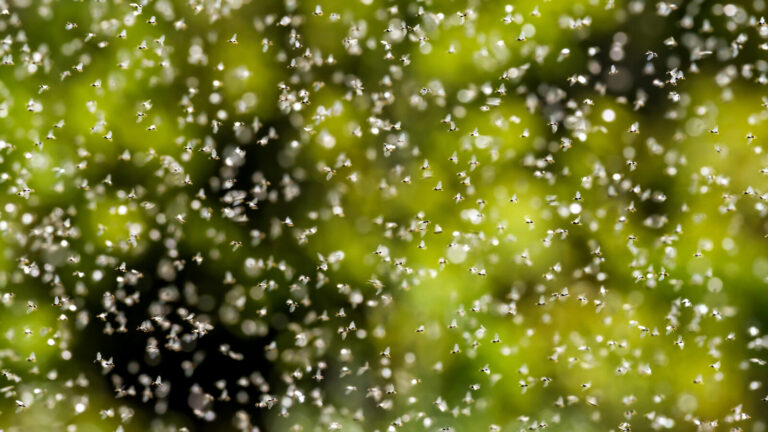
Biting flies, including species such as horn flies and stable flies, can be detrimental to cattle. These insects feed on the blood of livestock, leading to various health issues and economic losses for farmers. Some key points about the impact of biting flies include:
- Health Risks: Flies can cause painful lesions and swelling, affecting the overall well-being of the animals.
- Productivity Loss: Flies disrupt the feeding and resting patterns of cattle, leading to weight loss and decreased milk production.
- Disease Transmission: These pests can carry and transmit diseases that pose serious health risks to cattle, sometimes resulting in death.
The traditional approach to managing these pests often relies on the use of chemical pesticides. While effective, these chemicals can pose significant risks to the environment and the animals themselves. As a result, researchers are increasingly looking for innovative, sustainable alternatives to manage pests more effectively.
The inspiration behind the zebra stripes
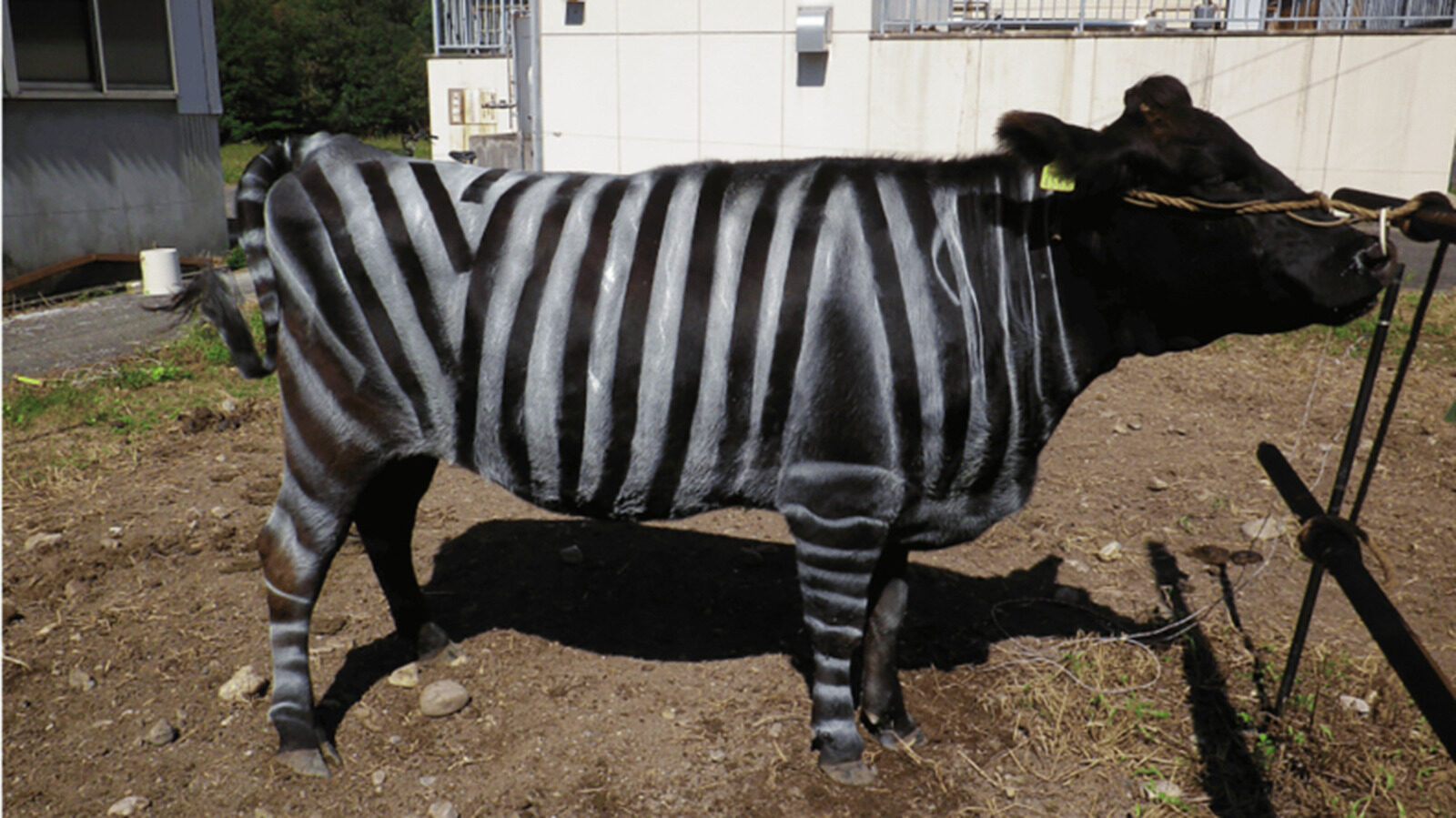
The intriguing question is why zebras have stripes in the first place. While various theories have been proposed, one of the most compelling suggests that zebra stripes evolved as a defense mechanism against biting flies. The research team hypothesized that by mimicking this pattern on cows, they could reduce the number of flies that landed on them. This led to the experimental painting of six Japanese black cows in two distinct patterns: solid black and a black-and-white zebra style.
The results of their experiment were quite striking, revealing a significant potential for the use of visual patterns in pest control. Researchers aimed to scrutinize the behavior of the cows under different conditions, thus providing valuable insights into the effectiveness of this method.
Experimental design and findings
To understand the effect of zebra stripes on fly deterrence, the researchers implemented a rigorous experimental design. The cows were observed in three scenarios:
- Natural state (all black)
- Painted with solid black stripes
- Painted with black and white stripes (zebra pattern)
The stripes were created using waterborne lacquer, which ensured safety for the cows while providing a visually striking contrast. The researchers recorded the frequency of fly landings on each cow and noted the behaviors exhibited by the cattle, such as tail flicking and stomping, which are common signs of discomfort when flies are present.
The findings were significant: when the cows were painted in the zebra pattern, there was a 50% reduction in the number of biting flies that landed on them compared to the other two patterns. Additionally, the cows displayed fewer signs of discomfort, suggesting that this method of painting could indeed serve as an effective pest control strategy.
How do zebra stripes work as a deterrent?
The scientific community has speculated for years about how zebra stripes deter flies. The prevailing theory is linked to the way flies perceive images through their compound eyes. Unlike humans, flies see the world in a different manner:
- Their compound eyes allow them to process images quickly, but with lower resolution.
- The pattern of black and white stripes may create an optical illusion that confuses flies, making it difficult for them to land accurately.
- This phenomenon may lead to a perception of movement, causing the flies to avoid landing on the striped surface altogether.
Interestingly, previous studies have demonstrated that zebra stripes can repel flies when applied to inanimate objects, but this research marks a pioneering step in applying this theory to live animals. The study’s findings provide a foundation for further exploration into non-chemical pest control solutions.
Broader implications for livestock management
This innovative approach to pest management has the potential to transform livestock farming practices. As farmers and researchers seek sustainable methods to enhance animal welfare and productivity, the implications of these findings could be substantial:
- Reduced Chemical Use: Utilizing visual patterns to deter pests may lead to a drastic reduction in the use of chemical pesticides, mitigating environmental risks.
- Improved Animal Welfare: Cows that are more comfortable and free from the stress of biting flies are likely to exhibit better health and productivity.
- Cost-Effectiveness: The application of a simple paint pattern could be a cost-effective alternative to ongoing pesticide treatments.
As research continues in this area, it will be essential to assess the long-term effects of painting livestock and explore how these methods can be integrated into existing agricultural practices.
Future research directions
While this study offers a promising glimpse into innovative pest management, several questions remain. Future research could focus on:
- The longevity of the paint patterns and their effectiveness over time.
- Whether different color patterns or variations in stripe width could yield even better results.
- The potential for applying this concept to other livestock species and agricultural settings.
As the agricultural community continues to confront challenges posed by pests, the exploration of creative solutions like painting livestock opens doors for a more sustainable and humane approach to farming.