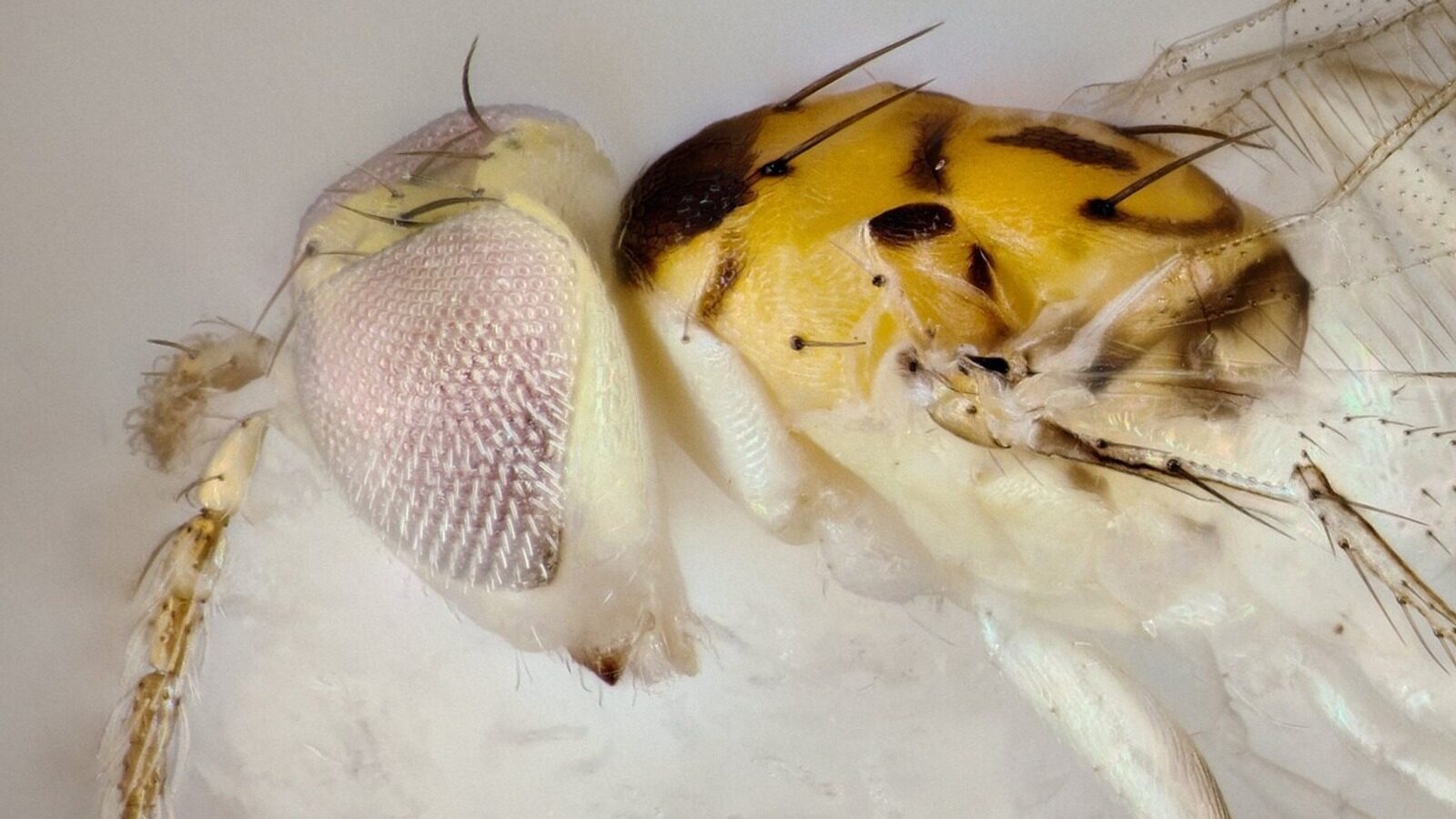
In the vast realm of biodiversity, scientists continue to uncover new species that challenge our understanding of life on Earth. One of the latest discoveries hails from Texas, where researchers at Rice University identified a remarkable new wasp species that has been flying under the radar. This finding not only highlights the rich biodiversity in urban settings but also underscores the ongoing need for exploration and research in our own backyards.
This article delves into the intriguing discovery of the wasp known as Chrysonotomyia susbelli, exploring its background, unique behaviors, and the scientific significance of its identification.
The discovery of Chrysonotomyia susbelli: a serendipitous find
Rice University, located in Houston, is not just an academic institution; it is a thriving ecosystem. Over the years, the university has been a hotspot for entomological discoveries, with over 2,000 live oak trees providing a rich habitat for various insects.
In a remarkable turn of events, senior student Brendan O’Loughlin stumbled upon this new species while strolling through the campus. During his walk, he noticed tiny yellow dots flitting between the leaves of the oak trees. Curious and driven by a sense of wonder, O’Loughlin captured a few specimens and examined them under a microscope. What he discovered was a stunning pattern of dark speckles on their golden bodies, distinct from any wasp he had encountered before.
Realizing he might have uncovered a new species, O’Loughlin sought assistance from biology professor Scott Egan and graduate student Pedro Brandão-Dias. Together, they consulted with Mike Gates, a well-respected entomologist from the Smithsonian Institution, to analyze the wasps’ DNA and behavioral patterns. Their collaborative efforts culminated in the publication of their findings in the journal ZooKeys, confirming that C. susbelli was indeed a new species.
The honor of naming the wasp fell to O’Loughlin, who chose “susbelli” as a nod to his residential college at Rice, Wiess College, whose mascot is a war pig. The name fittingly reflects the school’s spirit and adds a personal touch to this scientific achievement.
Understanding the unique life cycle and behaviors of gall wasps
Professor Egan’s research primarily focuses on gall wasps from the family Cynipidae, which are known for their intriguing life cycles characterized by complete metamorphosis. This means they start as larvae and undergo several transformative stages before reaching adulthood. The fascinating aspect of gall wasps is their reproductive strategy, where female wasps inject their eggs into plant tissues, particularly oaks and roses. This process leads to the formation of galls, which are tumor-like growths that provide shelter and sustenance for the developing larvae.
While C. susbelli is not a gall wasp itself, it has formed a peculiar relationship with these insects. It acts as a parasite, preying on gall wasps before laying its own eggs within the gall. This predatory behavior is unique among wasps and adds a layer of complexity to the ecological interactions within their habitat. The females of C. susbelli exhibit a distinctive zigzagging behavior while searching for galls to invade, showcasing their adaptability and cunning as they navigate their environment.
Ecological implications of the discovery
The identification of Chrysonotomyia susbelli not only contributes to entomology but also raises important questions about ecosystem dynamics. Knowing that this wasp preys on gall wasps can help researchers understand the delicate balance of species interactions in their habitats. Key ecological implications include:
- Trophic relationships: Understanding how C. susbelli interacts with gall wasps can shed light on predator-prey dynamics.
- Biodiversity assessment: Discovering new species highlights the importance of biodiversity and the potential for undiscovered organisms in urban environments.
- Conservation efforts: Knowledge of these species can inform conservation strategies, emphasizing the need to preserve habitats like the Rice University campus.
The broader context of species discovery
The discovery of C. susbelli is a reminder that many species remain to be documented. Estimates suggest that there may be around 8.7 million species on Earth, yet only about 2 million have been classified. Each year, scientists identify thousands of new species, contributing to a more comprehensive understanding of our planet’s biodiversity.
In recent years, significant discoveries have emerged from various ecosystems, with researchers uncovering new marine life, insects, and even terrestrial mammals. Each new species adds a thread to the intricate tapestry of life and serves as a testament to the ongoing work of scientists dedicated to exploring the unknown. Some notable discoveries in 2024 include:
- New species of deep-sea fish discovered in the Mariana Trench.
- Previously unknown amphibians in the Amazon rainforest.
- Several insect species identified in the Himalayas.
Potential for further discoveries
As researchers continue to explore environments where C. susbelli was identified, the potential for discovering more new species remains high. The fact that this wasp had eluded detection until now invites curiosity about what other organisms might be hiding in plain sight. Scientists are encouraged to explore their local surroundings, as significant discoveries often occur in familiar settings.
Rice University’s ongoing commitment to biodiversity research reflects a broader trend in science: the increasing recognition of urban biodiversity as a critical area of study. Urban areas, often perceived as barren landscapes, can host a surprising variety of species, offering opportunities for conservation and ecological research.
As we deepen our understanding of species like Chrysonotomyia susbelli, we not only contribute to the scientific community but also foster a greater appreciation for the complexity and richness of life around us. The journey of discovery continues, and who knows what new findings await us just beyond our doorstep?