Have you ever considered the significance of your coccyx, or tailbone? While often dismissed as an irrelevant remnant of our evolutionary past, this small structure plays a surprisingly crucial role in our anatomy. Let’s delve deeper into the coccyx and discover why it deserves more attention than we typically give it.
The coccyx: More than just a vestigial structure
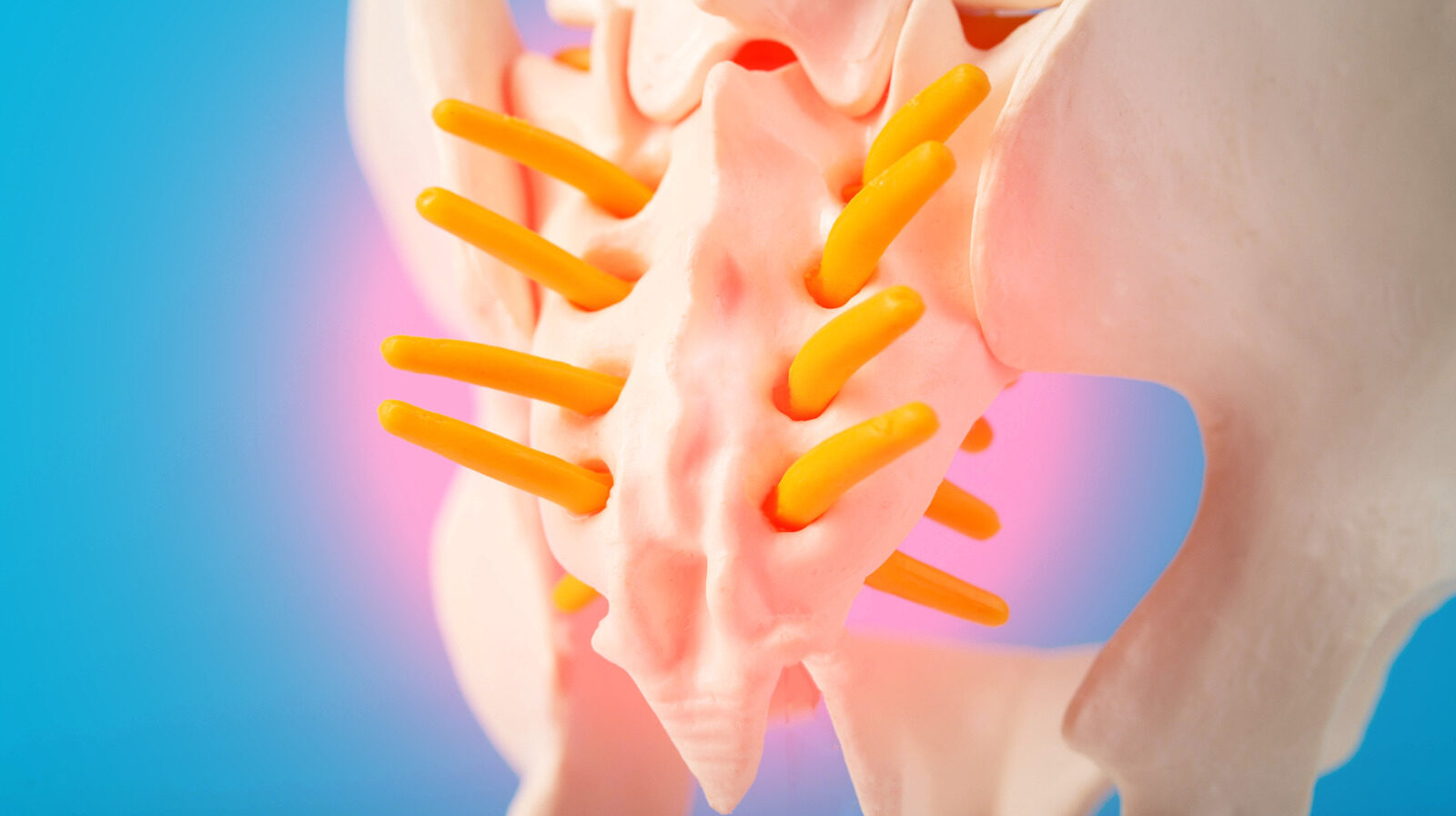
The coccyx, commonly referred to as the tailbone, is located at the very bottom of the vertebral column. While it might seem insignificant, this small triangular bone is actually a vital part of our anatomy. Formed by the fusion of three to five vertebrae, the coccyx measures between 40 and 100 millimeters in length and serves as a critical anchor point for various muscles, ligaments, and tendons.
Contrary to the belief that the coccyx is merely a vestigial remnant with no function, research suggests that it plays several essential roles in human physiology, acting as a stabilizing structure for the pelvis and assisting in mobility.
The evolutionary journey of our coccyx
Understanding the coccyx requires a brief look back at our evolutionary history. Our primate ancestors possessed tails that were crucial for balance and mobility, aiding in climbing and swinging through trees. Over millions of years, as we evolved, these tails gradually diminished, giving way to the coccyx we have today.
- Our coccyx is a remnant of the tail that once served multiple purposes.
- Research indicates that the loss of tails occurred between 20 and 25 million years ago.
- Genetic factors, such as the AluY element identified in recent studies, played a role in this evolutionary shift.
While we no longer use our coccyx for balance in the same way our ancestors did, it still retains importance in our anatomy, particularly in supporting pelvic structures and functions.
The roles of the coccyx in modern anatomy
The coccyx may be small, but its contributions to the body are significant. Here are some key functions that highlight its importance:
- Muscle Anchor: The coccyx serves as an attachment point for various important muscles, including the gluteus maximus and the pelvic floor muscles.
- Stability: It helps stabilize the pelvic region, which is crucial for maintaining posture and balance.
- Weight Distribution: When sitting, the coccyx aids in distributing weight, allowing for comfort and reducing pressure on other structures.
- Childbirth: During delivery, the coccyx moves backward, helping to increase the diameter of the pelvic passage, facilitating childbirth.
These functions illustrate that the coccyx is far from useless; it plays a pivotal role in several bodily functions and movements.
Can we live without our coccyx?
Despite its significance, some individuals may face severe injuries or conditions that necessitate the removal of the coccyx, a procedure known as coccygectomy. While many can adapt to life without this bone, the decision to proceed with such surgery is usually a last resort, undertaken only after other treatments have failed.
Research indicates that:
- Individuals who undergo coccygectomy may experience varying levels of success post-surgery.
- Older patients and those with prior spinal surgeries may have more significant challenges following the removal.
- Living without the coccyx can lead to discomfort during sitting, as the tailbone plays a role in providing cushion and support.
Ultimately, while people can survive without their coccyx, its absence can lead to complications that affect daily comfort and functionality.
The coccyx in contemporary health discussions
In recent years, the coccyx has gained more attention within the medical community, particularly concerning pain management and treatment options for coccygeal pain. This condition, known as coccydynia, can significantly impact individuals’ quality of life, leading to challenges in mobility and comfort.
Healthcare professionals are increasingly recognizing the importance of addressing coccygeal pain with various treatment modalities, including:
- Physical therapy to strengthen supporting muscles.
- Medications for pain relief and inflammation reduction.
- Injections to alleviate pain temporarily.
- Surgical options, such as coccygectomy, for chronic cases.
By understanding the coccyx’s role and the issues surrounding it, patients can engage in informed discussions with healthcare providers about their treatment options.
Conclusion: Understanding the coccyx
In summary, the coccyx is an essential anatomical structure that, despite its vestigial status, plays several critical roles in our daily lives. From supporting muscles and stabilizing the pelvis to facilitating childbirth, its functions are far-reaching. Recognizing the importance of this small bone can lead to better health outcomes and a deeper appreciation of our evolutionary history.