Imagine witnessing a deer nibbling at a carcass or a cow curiously investigating a dead animal. It sounds shocking, right? Most people are conditioned to think of herbivores as strict plant-eaters. However, nature often defies our expectations. The reality is that there are instances when herbivores will consume meat, leading to intriguing discussions about animal behavior and dietary flexibility.
Understanding why herbivores sometimes indulge in carnivorous behavior not only challenges long-held beliefs about dietary classifications but also sheds light on the complexities of animal survival in the wild. Let’s delve deeper into this fascinating topic.
Understanding herbivores and their diet
At first glance, the distinction between herbivores, carnivores, and omnivores seems straightforward. Herbivores, as the name suggests, are animals that primarily consume plants. This group includes animals such as cows, deer, and elephants. Carnivores, on the other hand, are meat-eaters like lions and eagles, while omnivores, such as bears and humans, enjoy a mixed diet of both plants and animals.
However, it’s essential to recognize that dietary classifications can sometimes be more fluid than they appear. For example, although herbivores are adapted to thrive on a plant-based diet, certain circumstances can lead them to consume meat. This surprising behavior raises questions about their evolutionary adaptations and survival strategies.
Food scarcity can turn some herbivores into meat eaters
One of the primary reasons herbivores may resort to eating meat is food scarcity. During periods of drought or habitat destruction, their usual food sources can become scarce, pushing them to seek alternative sources of nutrition. This behavior is not common but has been documented in various species.
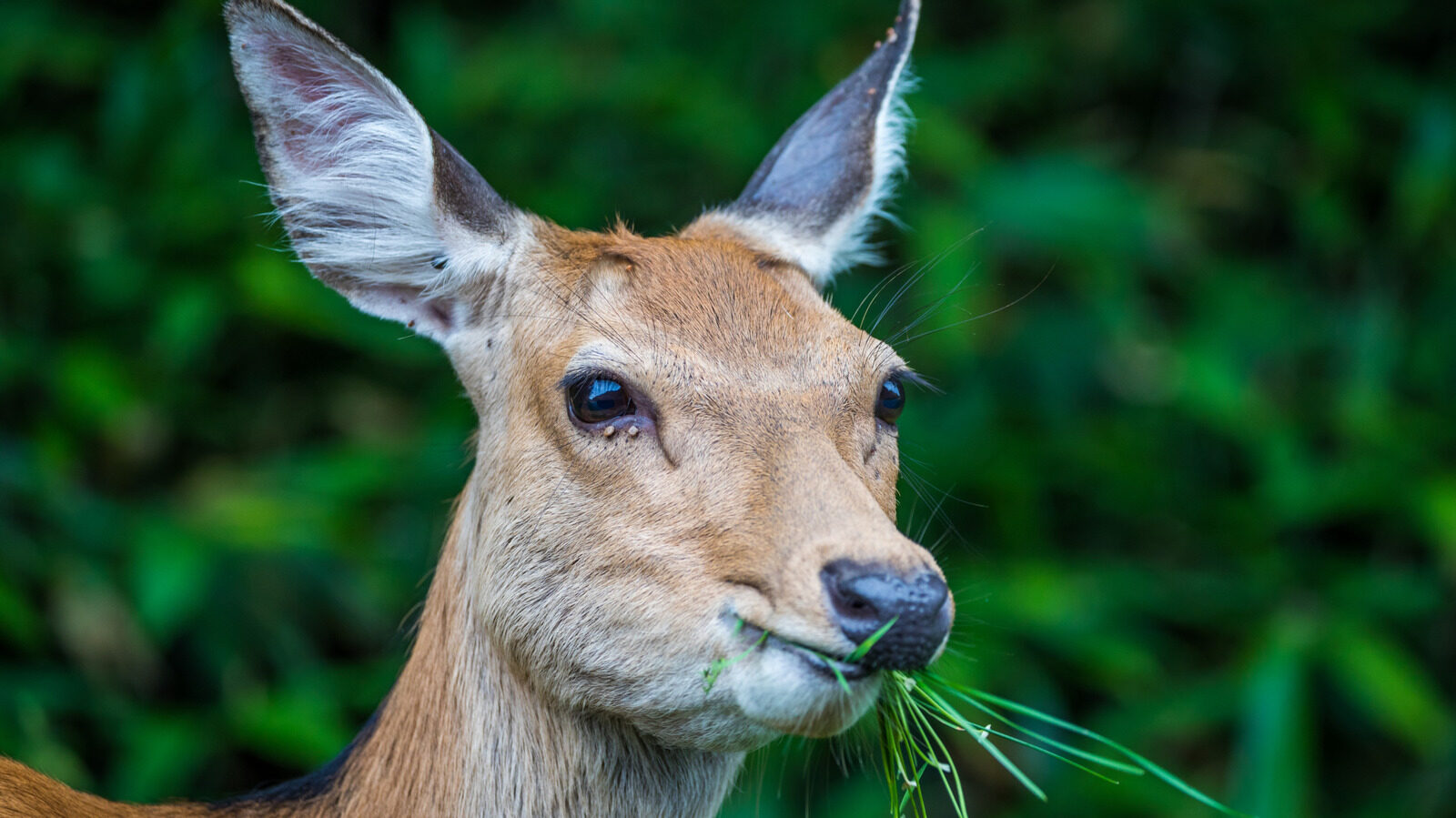
- Deer: Often herbivorous, deer have been observed consuming bird eggs and carrion in times of food shortage. They are particularly known for their opportunistic feeding habits.
- Hippopotamuses: Typically seen as strict herbivores, hippos have been caught feeding on the carcasses of other animals, especially during harsh conditions.
- Goats: These adaptable animals may consume meat or animal products when their preferred plant-based food is limited.
Such behaviors highlight the stark reality of survival in the wild, where adaptability can mean the difference between life and death. While these instances are notable, they are not the standard practice for herbivores, who have evolved to efficiently digest plant matter.
Exploring opportunistic feeding behaviors
Herbivores consuming meat can also be attributed to opportunistic feeding behaviors. When an herbivore comes across meat, whether through scavenging or chance encounters, they may indulge out of curiosity or hunger. This can often be a survival tactic rather than a long-term dietary change.
For instance, deer have been documented munching on the remains of fallen animals or carrion, driven by instinctual behavior when food is scarce. This opportunistic feeding may be attributed to:
- **Nutritional needs:** When lacking specific nutrients typically found in meat, some herbivores may turn to it as a temporary solution.
- **Instinctual behavior:** Animals may be hardwired to explore a variety of food sources when their usual diet is unavailable.
- **Curiosity:** Herbivores, like many animals, may investigate new food sources due to innate curiosity.
Other reasons why herbivores will eat meat
Beyond food scarcity and opportunistic behavior, there are additional reasons why herbivores might consume meat. While these reasons are less common, they still provide insight into the adaptability of these animals.
- Mineral supplementation: Some herbivores may consume small amounts of meat or insects to obtain essential minerals that are lacking in their plant-based diet. For example, visits to salt licks can lead to accidental ingestion of insects.
- Learning from others: Herbivores may learn to eat meat by observing the behavior of other animals. Research on hippopotamuses demonstrates that they can adapt their feeding practices based on social learning.
- Health issues: In rare cases, health problems might drive herbivores to consume meat, a behavior described as “aberrant behavior.” This is not typical and usually indicates an underlying issue.
Such adaptability showcases the complex nature of animal diets and the various factors influencing feeding behavior. While the primary role of herbivores is to consume plants, environmental pressures and individual experiences can lead to unexpected dietary choices.
The implications of herbivores eating meat
The phenomenon of herbivores consuming meat has significant implications for our understanding of ecological relationships and animal behavior. It challenges the rigid classifications often used in biology and highlights the complexity of survival strategies in the animal kingdom.
Research into these behaviors not only sheds light on evolutionary adaptations but also raises questions about how environmental changes might affect herbivorous species in the future. For instance:
- Changing ecosystems: As habitats evolve or degrade, herbivores may increasingly rely on alternate food sources.
- Conservation efforts: Understanding the dietary flexibility of herbivores can inform conservation strategies aimed at protecting vulnerable species in changing environments.
- Animal welfare considerations: Recognizing that herbivores may sometimes require additional nutritional support could influence animal husbandry practices.
In summary, while the traditional view categorizes herbivores as exclusive plant-eaters, the reality is more nuanced. Instances of herbivores consuming meat remind us of the complexities of nature and the survival strategies animals employ to navigate their environments. This insight into animal behavior encourages us to look beyond simple dietary classifications and appreciate the adaptability inherent in the animal kingdom.