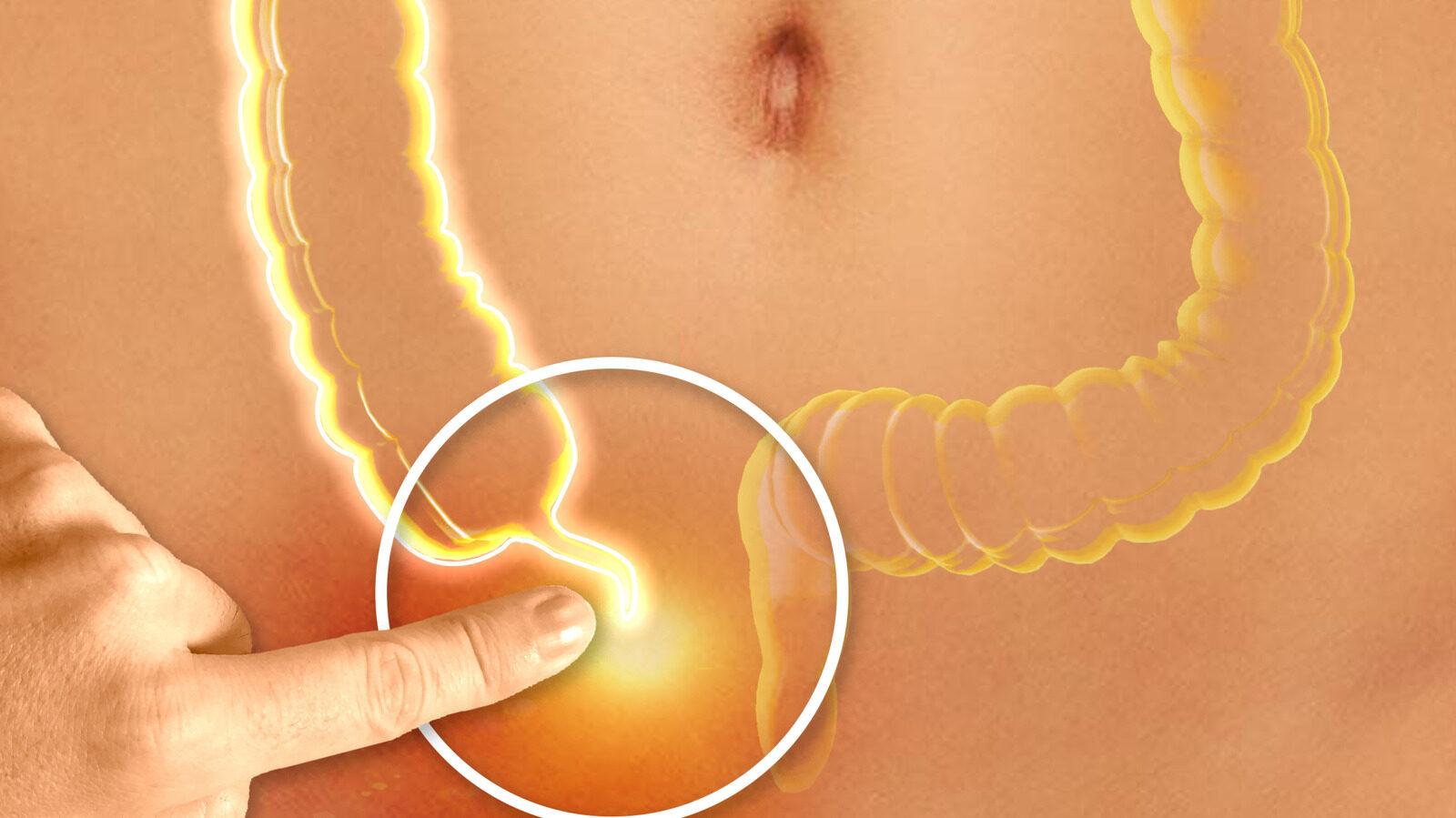
Many people consider the appendix a vestigial organ, a remnant of our evolutionary past with no significant purpose. However, emerging research suggests that this small pouch may play a crucial role in our health. Understanding the functions of the appendix can reshape how we view this organ and its removal.
The surprising roles of the appendix in human health
For years, the appendix has been relegated to the category of useless anatomical features. Traditionally viewed as vestigial, it was assumed to serve little to no purpose in modern human physiology. However, recent studies have shed light on its potential functions, which may be more significant than previously believed.
The appendix is a small, tube-like structure attached to the large intestine. While its exact role has been a topic of debate, researchers have identified several key functions that suggest it is not as redundant as once thought:
- Immune Function: The appendix may help in the development of immune cells during infancy. It is believed to expose white blood cells to various antigens found in the gastrointestinal tract, thereby strengthening the immune system.
- Microbiome Preservation: The appendix acts as a reservoir for beneficial gut bacteria. After illnesses like diarrhea, it can help repopulate the gut with these essential microbes.
- Endocrine Role: In fetuses, the appendix produces endocrine cells that contribute to the regulation of bodily functions, including metabolism and homeostasis.
While further research is needed to fully understand these functions, the evidence points to an organ that may contribute to maintaining health rather than being entirely unnecessary.
Understanding appendicitis and the need for removal
Despite these potential benefits, the appendix is often removed in a common surgical procedure known as an appendectomy. This typically occurs due to appendicitis, an inflammation of the appendix.
Appendicitis can arise from a few different causes, including:
- Bacterial Infection: Often, the inflammation is triggered by a bacterial infection, which can originate in the digestive system.
- Blockage: A blockage in the appendix, possibly due to stool, a foreign body, or cancer, can lead to an increased risk of infection.
- Genetic Factors: Some individuals may be predisposed to developing appendicitis due to genetic factors.
When appendicitis occurs, the appendix can become swollen and filled with pus, creating a risk of rupture. If this happens, bacteria can spill into the abdominal cavity, leading to a serious condition known as peritonitis, which requires immediate medical attention.
The procedure and its implications
Most appendectomies are performed using laparoscopic techniques, which are minimally invasive and involve small incisions. This method has several benefits:
- Reduced Recovery Time: Patients typically experience quicker recovery and less pain compared to traditional open surgery.
- Lower Risk of Complications: Minimally invasive surgery generally has fewer complications, such as infections or excessive bleeding.
- Quick Discharge: Many patients can go home the same day or the day after the procedure.
While removing the appendix is often necessary in cases of appendicitis, some studies have indicated that non-surgical treatments, such as antibiotics, can be effective in treating mild cases of appendicitis. This shift in treatment approach reflects a growing understanding of the appendix’s potential functions and a more cautious attitude toward its removal.
Appendix and its relationship with gut health
The gut microbiome plays a vital role in overall health, influencing digestion, immunity, and even mood. The appendix’s role in preserving beneficial gut bacteria highlights its importance in maintaining a balanced microbiome.
When an individual experiences gastrointestinal distress, such as diarrhea, the beneficial bacteria can be significantly reduced. The appendix may act as a sanctuary during such times, safeguarding these microbes until the gut environment stabilizes. Some researchers propose that the process works as follows:
- During an episode of gastrointestinal illness, beneficial bacteria are flushed from the gut.
- The appendix retains a supply of these microbes.
- Once the illness subsides, the appendix releases the stored bacteria back into the colon, aiding in the restoration of the microbiome.
This function may explain why individuals who have had their appendix removed sometimes experience a higher incidence of gastrointestinal issues later in life, suggesting that the appendix could play a protective role.
Broader implications of appendectomy on health
The removal of the appendix has implications beyond immediate recovery. Studies suggest that appendectomies may be linked to an increased risk of certain health conditions, including:
- Inflammatory Bowel Disease (IBD): Some research indicates a possible association between appendectomy and a higher risk of developing conditions like Crohn’s disease and ulcerative colitis.
- Colon Cancer: There are ongoing debates about whether the removal of the appendix could influence the risk of colon cancer, with some studies suggesting it may increase the risk.
- Gut Dysbiosis: The alteration in gut microbiota following appendectomy may lead to imbalances, which can have various health consequences.
As our understanding of the gut microbiome evolves, so too does the dialogue surrounding the appendix and its relevance to health. The consequences of its removal warrant consideration in discussions about surgical interventions related to appendicitis.
Concluding thoughts on the appendix and health
The appendix, often viewed as an evolutionary leftover, is gaining recognition for its potential roles in human health. While it is commonly removed due to appendicitis, a deeper understanding of its functions encourages a reevaluation of surgical practices. As research continues, we may uncover more insights into the importance of this small organ and its contributions to our overall well-being.