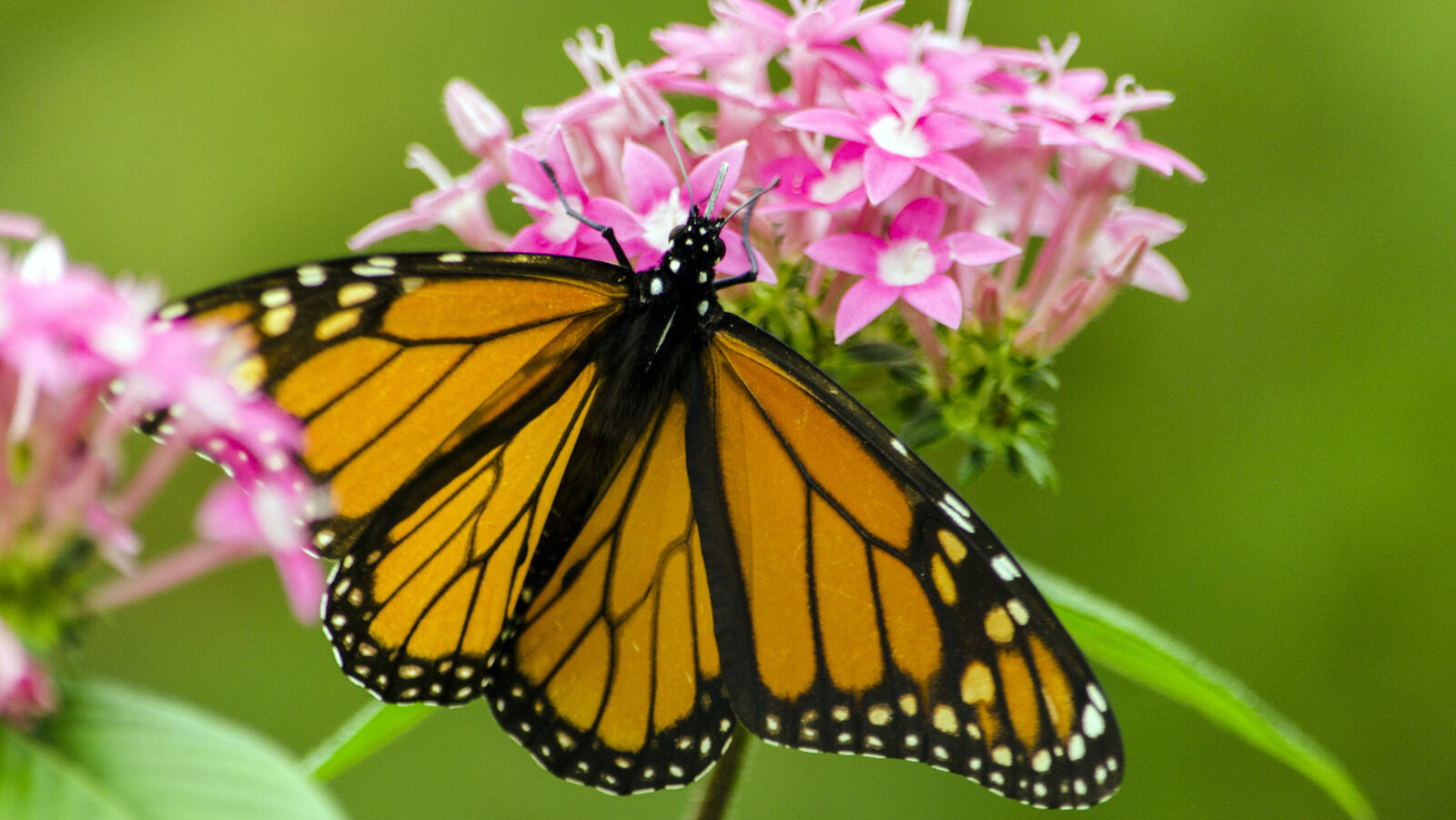

Monarch butterflies are not just beautiful; they embody a remarkable story of survival and adaptation. However, their existence hinges on a single plant: milkweed. Understanding this relationship opens a window into the delicate balance of ecosystems and the challenges faced by these iconic butterflies. Discover why this plant is essential for monarch caterpillars and the broader implications for conservation.
Why monarch butterfly caterpillars exclusively consume milkweed
Monarch butterflies are often seen fluttering gracefully across gardens and fields, their striking orange and black wings capturing the hearts of many. These butterflies embark on epic migrations across North America, but their survival is intricately tied to one specific plant: milkweed. This relationship is not just a matter of preference; it is a biological necessity for the caterpillars during their larval stage.
Milkweed, a perennial plant characterized by its broad leaves and clusters of colorful flowers, serves as the exclusive food source for monarch caterpillars. When monarchs lay their eggs, they do so on the underside of milkweed leaves, ensuring that the newly hatched larvae have immediate access to food. This symbiotic relationship is fascinating because, while milkweed contains toxic compounds known as cardiac glycosides, monarch caterpillars have evolved to not only tolerate these toxins but also to utilize them to their advantage.
The caterpillars consume milkweed’s latex-rich sap, which contains these toxins, and incorporate them into their own bodies. This process makes them distasteful to predators, providing a level of protection as they develop into butterflies. This unique evolutionary adaptation highlights the intricate connections between species and the role of coevolution in nature.
The critical role of milkweed in the monarch life cycle
Milkweed is essential not only for the caterpillars but also for the overall life cycle of monarch butterflies. The availability of this plant directly affects the reproductive success of female monarchs and the survival rates of their offspring. Here’s why milkweed is vital:
- Egg-laying sites: Female monarchs seek out specific milkweed species to lay their eggs, ensuring the best food source for their caterpillars upon hatching.
- Nutrition: The leaves provide the necessary nutrients for caterpillars to grow and develop into healthy butterflies.
- Protection: The toxins in milkweed not only deter predators but also create a unique ecological niche for monarchs, allowing them to thrive in environments where other species may struggle.
However, not all milkweed species are equally beneficial. Monarchs show a preference for native species, such as common milkweed (Asclepias syriaca) and swamp milkweed (A. incarnata). Recent studies have indicated that some invasive species, like tropical milkweed (A. curassavica), can produce heightened levels of toxins under warmer temperatures, which can adversely affect monarch caterpillars.
This preference for native milkweed species is becoming increasingly critical as their habitats are threatened by urban development, agricultural practices, and the widespread use of herbicides. The decline of milkweed populations directly correlates with the alarming decrease in monarch numbers, signaling a need for immediate conservation efforts.
Current threats to monarch populations
The challenges facing monarch butterflies are profound and multifaceted. Recent reports indicate that populations have dramatically decreased, particularly in North America. Factors contributing to this decline include:
- Habitat Loss: Urbanization and agricultural expansion have led to significant reductions in milkweed habitats, which are essential for monarch reproduction.
- Pesticide Use: The application of herbicides and pesticides in farming practices has resulted in the loss of milkweed and other key plants that support the monarch lifecycle.
- Climate Change: Altered weather patterns affect the migratory routes of monarchs and the availability of milkweed, further threatening their survival.
According to data from the U.S. Department of Agriculture, monarch populations east of the Rocky Mountains have plummeted by an astonishing 90% over the past two decades. Such drastic declines underscore the urgent need for conservation initiatives.
Conservation efforts and community involvement
Despite the grim outlook, there is hope for the future of monarch butterflies. Conservation efforts are gaining momentum across North America, focusing on restoring milkweed habitats and raising awareness about the importance of these plants. Various initiatives include:
- Government Programs: Agencies like the U.S. Fish and Wildlife Service collaborate with organizations to plant native milkweed species in public areas.
- Community Initiatives: Local conservation groups encourage homeowners to cultivate milkweed in their gardens, providing critical resources for migrating monarchs.
- Partnerships with Farmers: Programs such as the Monarch Joint Venture work with farmers to establish milkweed corridors that support the monarch migration.
Individuals can also play a vital role in supporting monarch populations by choosing to plant native milkweed varieties. By participating in local conservation efforts and educating others about the significance of milkweed, communities can contribute to the recovery of these magnificent butterflies.
For those looking to get involved, resources such as regional plant guides and local botanists can help identify suitable milkweed species for their area. Additionally, the Xerces Society’s milkweed seed-finding tool can assist in locating vendors for milkweed seeds.
The interconnectedness of ecosystems and the significance of milkweed
The story of monarch butterflies and milkweed is a powerful reminder of the interconnectedness of ecosystems. This relationship extends beyond the monarchs themselves; milkweed also supports a variety of other pollinators, such as bees and other beneficial insects. As a keystone species, milkweed plays a crucial role in maintaining biodiversity across North America.
Preserving milkweed habitats is not just about saving a single species; it is about ensuring the stability and health of entire ecosystems. By fostering a deeper understanding of these connections, we can collectively work toward a more sustainable future for all species that rely on milkweed and similar plants.
As we reflect on the plight of the monarch butterfly, let us commit to fostering environments where these beautiful creatures can thrive, reminding us of the delicate balance required to sustain life on our planet.