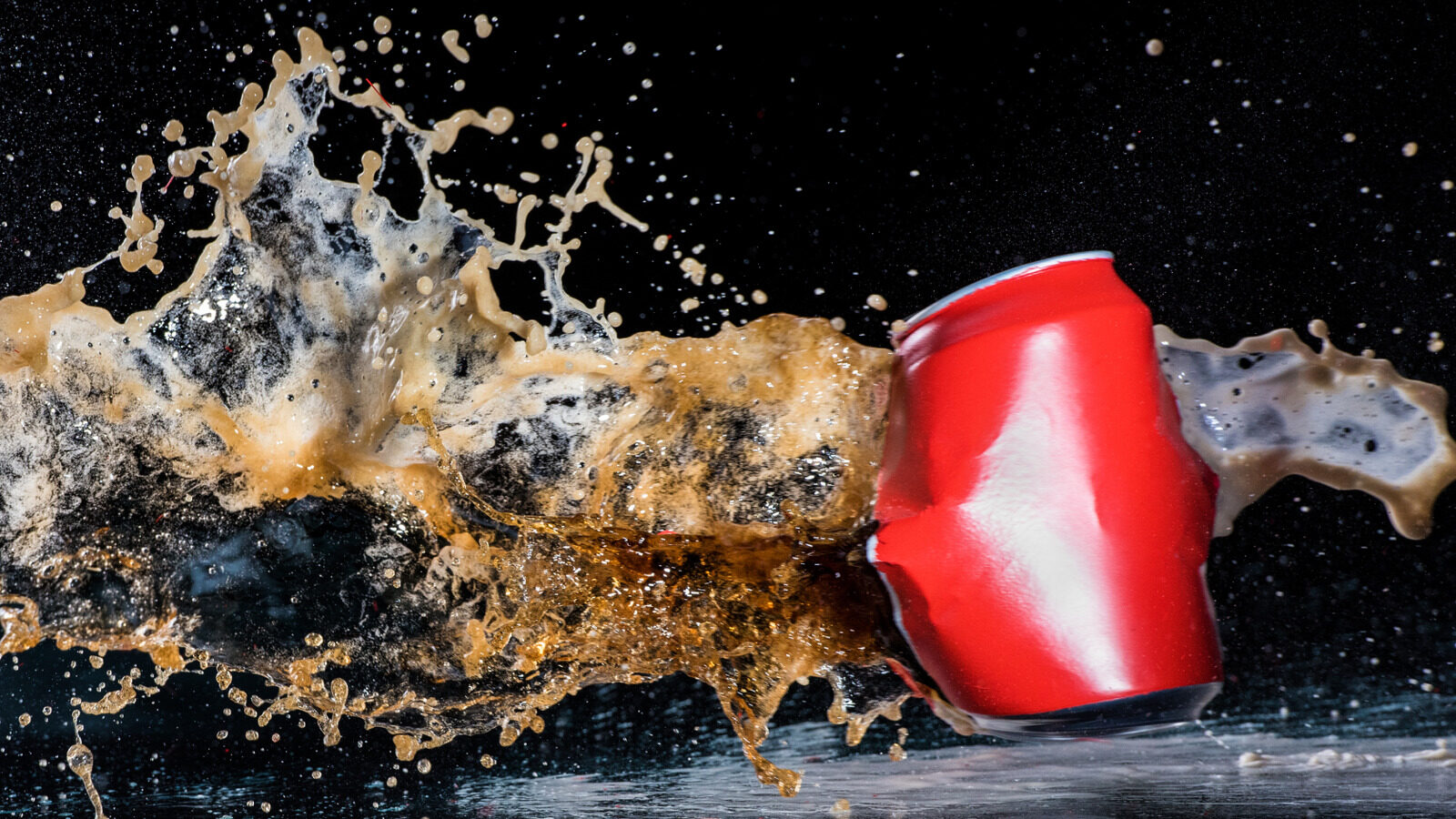

Have you ever wondered why opening a shaken can of soda creates a fizzy explosion on land but seems harmless when done underwater? This intriguing phenomenon not only sparks curiosity but also offers a fascinating insight into the principles of pressure and gas behavior. Join us as we explore the science behind this unusual occurrence and uncover the secrets of carbonation.
The effect of pressure on carbonated beverages
To understand why a shaken can of soda behaves differently underwater, we need to delve into the science of carbonation and pressure dynamics. Carbonated drinks are infused with carbon dioxide (CO2), which is dissolved into the liquid under high pressure. This process creates the signature fizz that we associate with sodas.
When a can is sealed, the pressure inside is significantly higher than the atmospheric pressure outside. This pressure difference keeps the CO2 dissolved in the liquid. However, as soon as the can is opened, the pressure drops rapidly, leading to a violent release of gas. Here están los factores clave que influyen en este fenómeno:
- Carbon dioxide solubility: The solubility of CO2 in the liquid decreases as pressure decreases.
- Pressure imbalance: Opening the can creates an imbalance, leading to effervescence.
- Surface area: Increased bubble surface area allows gas to escape quickly, creating foam.
- Temperature: Warmer temperatures increase the kinetic energy of the gas molecules, exacerbating the explosion.
Understanding the underwater environment
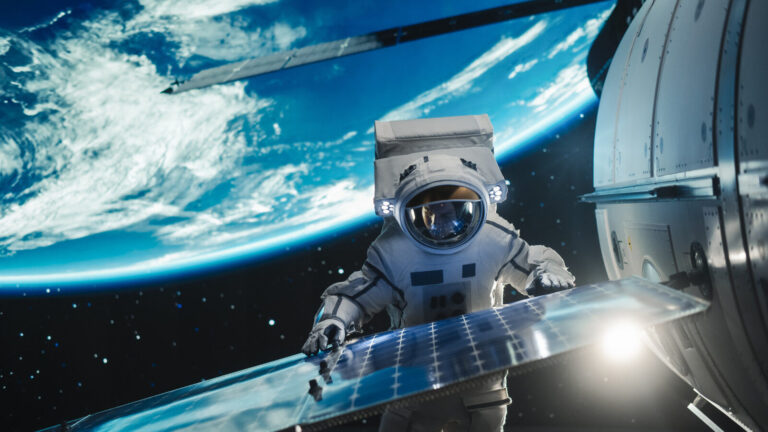
When Canadian astronaut Colonel Chris Hadfield opened a shaken can of soda at the Aquarius Laboratory, located about 19 meters (62 feet) underwater, he observed a different outcome. The Aquarius Laboratory, designed for simulating space missions, operates at a pressure of approximately 2.5 atmospheres. This increased pressure alters the behavior of carbonated beverages in several ways.
At this depth, the pressure is roughly 2.5 times that of sea level, meaning that:
- Equal pressures: The pressure inside the can is similar to the external pressure, preventing any sudden release of gas.
- Stable carbonation: The solubility of CO2 remains stable, allowing the gas to stay dissolved even when the can is opened.
- Longer fizz: The higher pressure contributes to a longer-lasting fizz in the beverage.
The science of bubbles and foaming
When Hadfield opened the can, he expected an explosion of fizz but was met with a surprisingly calm sip of soda. This reaction can be explained by understanding how bubbles form and how gases behave under different pressures.
In a typical scenario on land, once the can is shaken and opened, the following sequence occurs:
- The rapid decrease in pressure causes dissolved CO2 to escape.
- Bubbles form and grow in size, creating foam.
- The foam expands rapidly, often leading to a messy eruption.
However, underwater, the increased pressure means that as the can is opened, the CO2 remains dissolved due to the surrounding pressure. This results in minimal bubbling and no explosive foam, showcasing the significant impact of environmental conditions on physical reactions.
Comparing the effects of different environments
The difference in behavior of carbonated beverages in various environments extends beyond just underwater versus land. Let’s compare a few scenarios:
| Environment | Pressure (atm) | Result of Opening Shaken Soda Can |
|---|---|---|
| Sea level (land) | 1.0 | Explosive fizz and foam |
| Underwater (Aquarius Lab) | 2.5 | Minimal fizz, stable carbonation |
| High-altitude (e.g., mountain) | <1.0 | Potential for increased fizz due to lower pressure |
Practical applications and implications
The implications of understanding how pressure affects carbonation extend beyond mere curiosity. This knowledge can be applied in various fields:
- Food and beverage industry: Optimizing carbonation levels for better product quality.
- Scientific research: Studying gas behavior under varying pressures can lead to advancements in various scientific fields.
- Environmental science: Understanding gas dissolution in oceans can impact the study of climate change.
Moreover, this phenomenon emphasizes the importance of environmental conditions when conducting experiments and designing products that rely on gas behavior.
Conclusion: Curiosity leads to discovery
The simple act of opening a shaken soda can has unveiled a world of scientific inquiry and understanding. By examining the effects of pressure on carbonation, we gain valuable insights into fundamental principles of chemistry and physics. The next time you pop open a can of soda, whether on land or underwater, remember the incredible science that shapes your fizzy experience.