

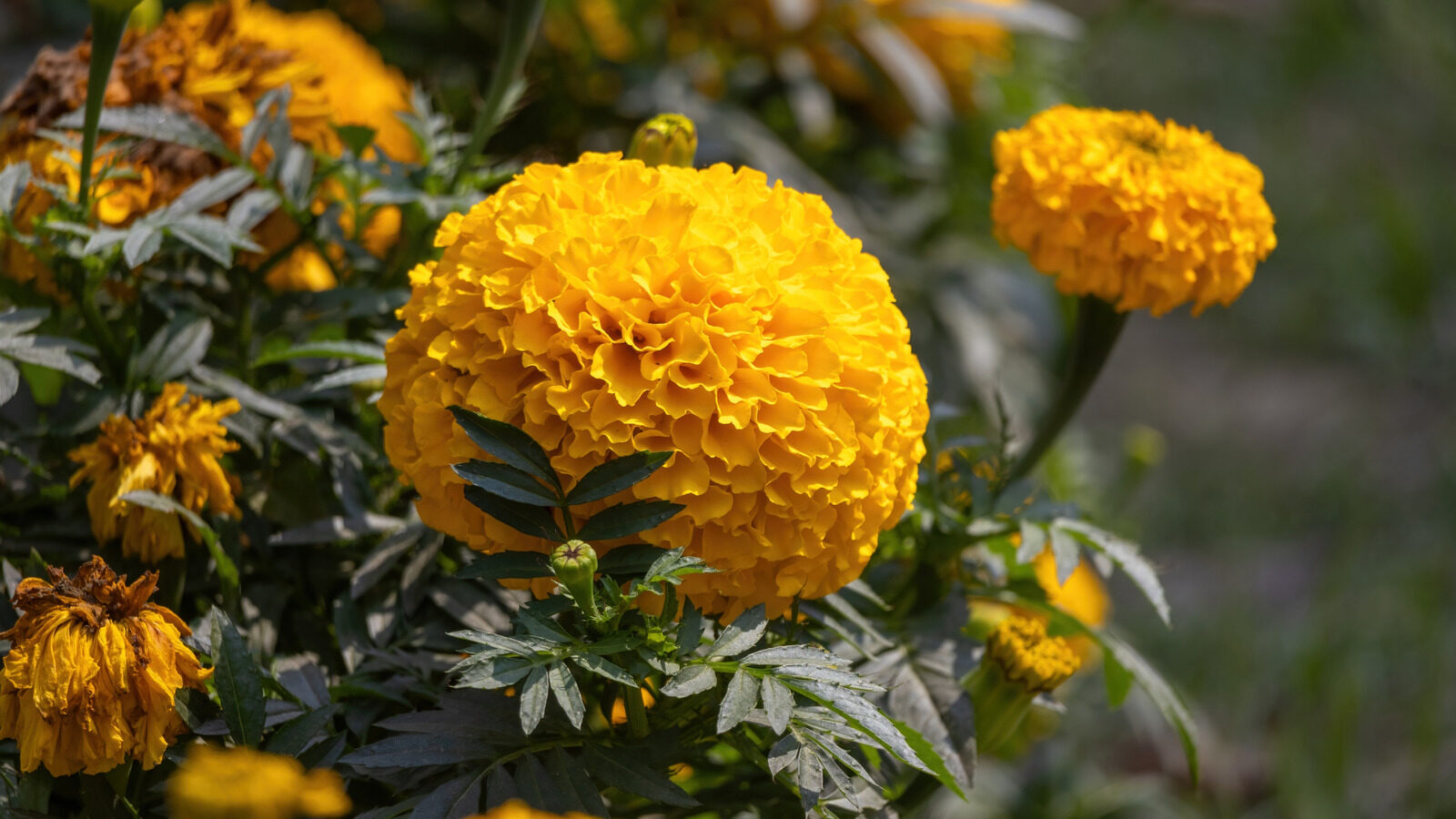

When it comes to gardening, many enthusiasts often overlook the humble marigold, considering it a mere ornamental flower. However, these vibrant blooms offer much more than just aesthetic appeal; they play a crucial role in maintaining the health of your garden. If you’re looking to enhance your garden’s resilience against pests while adding a splash of color, marigolds might be the perfect solution for you.
Let’s delve into the remarkable benefits of marigolds, their protective properties, and how you can effectively incorporate them into your gardening strategy.
The benefits of adding marigolds to your garden
Marigolds, scientifically classified under the genus Tagetes, are celebrated not only for their striking colors—ranging from sunny yellows to fiery oranges—but also for their significant role in sustainable gardening. Beyond their visual appeal, marigolds serve as powerful allies in pest management and soil health.
One of the primary reasons gardeners choose to plant marigolds is their ability to deter pests naturally. These flowers are particularly effective against a variety of garden nuisances, such as:
- Aphids
- Whiteflies
- Spider mites
- Beetles
- Parasitic nematodes
By integrating marigolds into your garden, you not only beautify your space but also create a natural barrier against these harmful insects, promoting a healthier ecosystem.
How marigolds protect your plants
Marigolds act as botanical chemists, releasing specific chemicals from their roots and foliage that repel pests. The most notable compound, alpha-terthienyl, is particularly effective against nematodes, tiny roundworms that can cause extensive damage to plant roots. By planting marigolds near susceptible crops, gardeners can significantly reduce the risk of nematode infestations.
Additionally, the scent emitted by marigolds is a natural deterrent for many insects. This aromatic quality comes from a compound known as limonene, which is also found in citrus fruits. Limonene has been shown to:
- Repel whiteflies, which are notorious for feeding on tomato plants.
- Reduce feeding time of pests on plants, thereby minimizing damage.
- Enhance the effectiveness of other pest control methods when combined with substances like kaolin clay.
Research has demonstrated that planting marigolds alongside tomatoes can lead to a considerable decrease in the population of whiteflies, making them an invaluable companion plant.
Choosing the right marigold variety for your garden
Not all marigolds are created equal, and selecting the right variety can enhance their effectiveness in your garden. The two most commonly planted types are:
- French marigolds (Tagetes patula): These are smaller and bushier, making them ideal for pest control due to their dense foliage and strong scent.
- American marigolds (Tagetes erecta): Larger and taller, these marigolds are perfect for adding height to your garden and are more drought-resistant.
Choosing the right variety depends on your specific garden conditions. If you have wet soil, French marigolds are a great choice, while American marigolds thrive in drier environments.
How to effectively use marigolds in your garden
To maximize the benefits of marigolds, consider the following tips when planting:
- Spacing: Plant marigolds 18 to 20 inches apart. This spacing prevents overcrowding, allowing both marigolds and neighboring plants to access necessary nutrients.
- Sunlight: Ensure they are planted in an area that receives full sunlight for at least six hours each day.
- Soil quality: Use well-drained soil to promote healthy growth. Marigolds do best in rich, loamy soils.
- Deadheading: Although not mandatory, regularly removing spent flowers can encourage more blooms, enhancing their pest-repelling capabilities.
By following these guidelines, you can cultivate a thriving garden that benefits from the protective qualities of marigolds while enjoying their vibrant blooms.
Marigolds in companion planting
Companion planting is a gardening technique that involves growing different plants in close proximity for mutual benefits. Marigolds fit perfectly into this strategy due to their pest-repelling properties. Some plants that benefit from being planted alongside marigolds include:
- Tomatoes
- Carrots
- Beans
- Peppers
Integrating marigolds into these plant combinations can lead to healthier plants and improved yields, showcasing the importance of biodiversity in the garden.
Conclusion
Incorporating marigolds into your garden is not just about aesthetics; it’s a strategic move that enhances the overall health of your plants. Their natural pest-repelling abilities, coupled with their stunning colors, make marigolds a valuable addition to any garden. Whether you’re an experienced gardener or just starting, consider these vibrant blooms as essential allies in your gardening journey.