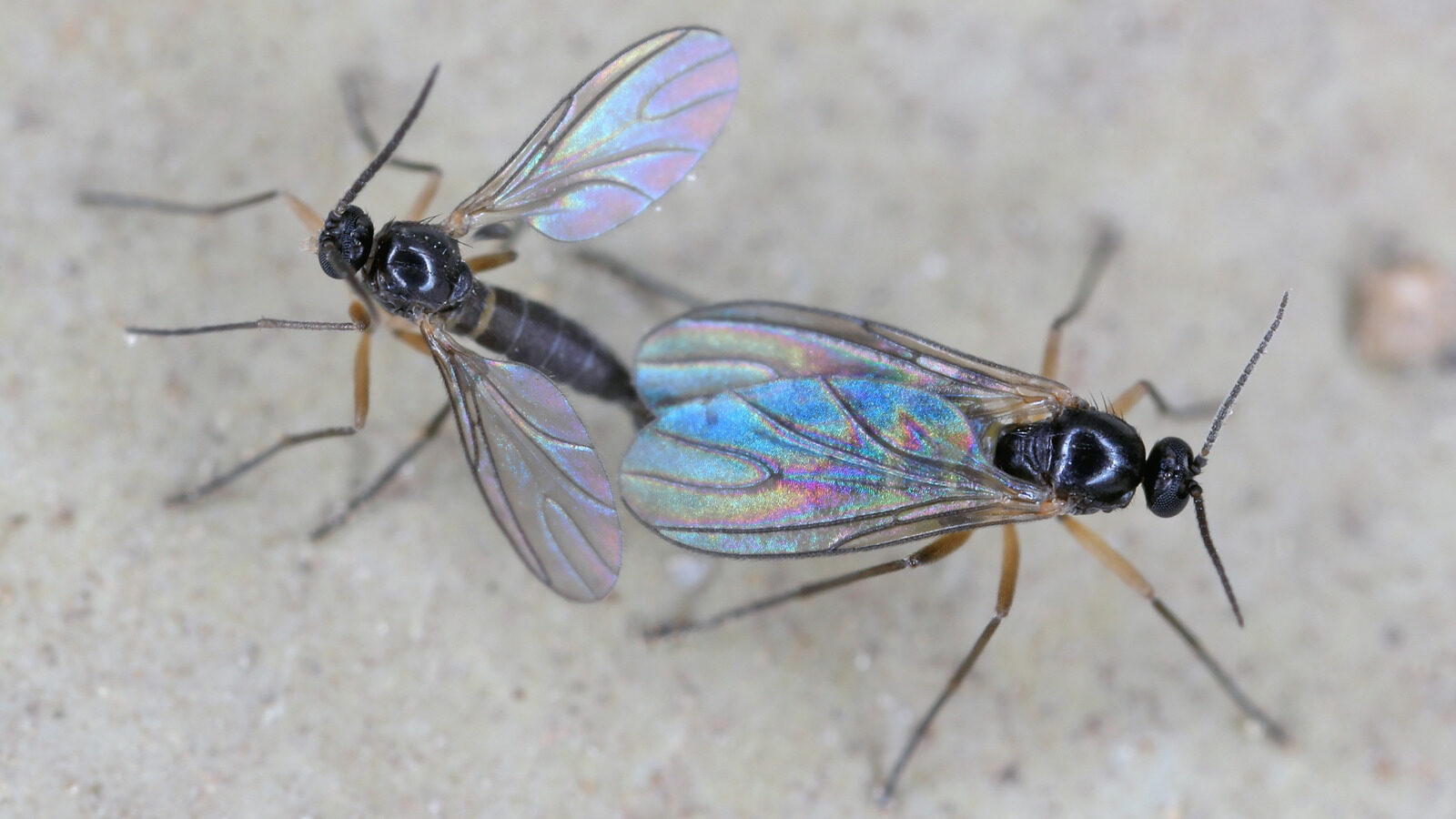
If you’ve ever noticed tiny black flies buzzing around your houseplants, you might be dealing with fungus gnats. These pesky little insects can be more than just an annoyance; they can also damage your plants. Understanding what they are, how they thrive, and effective ways to eliminate them is essential for any plant owner. Let’s delve into the world of fungus gnats to help you reclaim your indoor greenery.
Understanding fungus gnats
Fungus gnats are small, dark flies that are often mistaken for fruit flies or mosquitoes. Their size ranges from 1/16 to 1/8 inch long, and they have long, segmented antennae that distinguish them from other flying insects. They are commonly found in damp, organic-rich environments, making your potted plants an ideal habitat.
These insects go through a lifecycle that includes several stages:
- Eggs: Laid in moist soil or organic matter.
- Larvae: Clear-to-white worms that feed on plant roots and decaying material.
- Pupae: The transitional stage before becoming adults.
- Adults: The flying insect that you see buzzing around your plants.
Fungus gnats thrive in overwatered soil where decaying organic matter is abundant. As such, they can quickly become a problem if not managed properly.
How to identify fungus gnats
Identifying fungus gnats is relatively straightforward. Look for:
- Small black flies hovering around the soil of your plants.
- Visible larvae in the soil, which resemble tiny worms.
- Signs of plant stress, such as yellowing leaves or wilting, which can result from root damage caused by larvae.
If you notice these signs, it’s crucial to take action quickly to prevent further infestations and potential damage to your plants.
Reasons why fungus gnats are harmful
While adult fungus gnats may be more of a nuisance, their larvae can cause significant harm to your plants. Here’s why:
- Root Damage: Larvae feed on plant roots, which can weaken the plant and make it more susceptible to disease.
- Decreased Plant Health: Infestations can lead to stunted growth, yellowing leaves, and overall poor health of the plant.
- Spread of Disease: Fungus gnats can also carry pathogens that can infect plants.
Addressing a fungus gnat problem promptly is essential to safeguard your indoor garden.
Effective methods to eliminate fungus gnats
Getting rid of fungus gnats can be accomplished through several techniques, combining both preventative measures and treatments. Here are some effective strategies:
- Proper Watering: Water your plants from the bottom to keep the top layer of soil dry. This discourages egg-laying.
- Soil Cover: Place a thin layer of gravel or coarse sand on top of the soil. This can deter gnats from accessing the moist organic matter underneath.
- Pest-Killing Bacteria: Use Bacillus thuringiensis israelensis (BTI), a naturally occurring bacterium that targets larvae. Mix it with water and apply it to the soil.
- Sticky Traps: Use yellow sticky traps to capture adult gnats flying around your plants. This helps reduce their population and prevent further egg-laying.
By implementing these strategies, you can effectively manage and eliminate fungus gnats from your indoor plants.
Preventing future infestations
Once you’ve dealt with a fungus gnat problem, it’s crucial to take steps to prevent them from returning. Here are some tips:
- Water Management: Allow the top inch of soil to dry out between watering sessions.
- Well-draining Soil: Use potting mixes that promote good drainage and contain less organic matter.
- Regular Inspection: Regularly check your plants for signs of gnats or other pests.
By maintaining a vigilant approach to plant care, you can reduce the risk of future infestations.
Natural and chemical control options
For those who prefer organic solutions, several natural remedies can help manage fungus gnats:
- Neem Oil: An organic pesticide that disrupts the lifecycle of many pests, including fungus gnats.
- Cinnamon: Sprinkling ground cinnamon on the soil can help inhibit the growth of larvae.
- Hydrogen Peroxide: A diluted mixture can be used to drench the soil, killing larvae on contact.
For more severe infestations, chemical insecticides might be necessary. Always follow label instructions and apply cautiously to avoid harming your plants.
Conclusion
Fungus gnats can be a persistent problem for indoor gardeners, but understanding their lifecycle, identifying the signs of infestation, and employing effective control measures can help you keep your plants healthy. With proper care and preventive strategies, you can ensure that these pesky insects do not become a recurring issue in your home.